
Serving since 1991 as one of the Acıbadem group's first hospitals, in the Acıbadem district of the Anatolian side.
Hospitals in Türkiye
Acibadem Dr. Sinasi Can (Kadikoy) Hospital
Acibadem's original campus, in Kadıköy since 1991: high-risk cardiac surgery, adult and paediatric orthopaedics and gynaecologic oncology.
- 109 doctors on staff

Acibadem Dr. Şinasi Can (Kadıköy) Hospital is where the story starts: in service since 1991 in the Acıbadem district of Kadıköy — the neighbourhood that gave the group its name. What began at five thousand square metres grew threefold by 1998 into today’s 17,600 m² campus with 138 beds and 23 intensive-care beds, run by a smart-building system controlled from six and a half thousand points. Its clinical reputation was earned in the theatre: high-risk cardiac surgery, and adult and paediatric orthopaedic operations across the knee, shoulder, spine and hip — with gynaecologic oncology among the specialist floors around them. Every Acıbadem hospital descends from this address; this page covers what the original does today.
What this building is organised around
Thirty-five years of continuous service in one neighbourhood produce a particular kind of hospital: one whose departments grew to match its community’s whole life-cycle, and whose surgical floors kept the hardest habits — the high-risk cardiac cases, the complex joint and spine operations — because the surgeons who take such cases collected here. The campus is not the group’s largest and does not claim to be; it is the group’s origin running at its current standard, a full-service neighbourhood flagship for the Anatolian side’s oldest Acıbadem community, with surgical depth out of proportion to its size.
Quality and safety — the honest frame
The hospital runs on the Acıbadem group’s single quality system — surgical checklists, medication-safety routines, infection control and credentialing audited across the group — with diagnostics through the group’s ISO-accredited laboratory network. Five Acıbadem hospitals in Türkiye hold JCI accreditation (Maslak, Altunizade, Atakent, Kent and Adana); Kadıköy runs on the same protocols those audits examine, and this page says that plainly rather than borrowing a badge. The smart-building system — six and a half thousand monitored points — is the physical layer of the same discipline: a building watched as carefully as its patients.
High-risk cardiac surgery — the earned reputation
The corporate record names it directly: high-risk cardiac surgeries are performed at this campus. The cardiovascular surgery unit guide explains what that category honestly contains — redo operations, poor-ventricle cases, the patients other lists defer — and cardiology carries the diagnostic and interventional work upstream. For a patient weighing where to take a difficult heart, the fact that matters is cultural as much as technical: a theatre team that takes high-risk cases as routine work, inside a system whose intensive care and protocols are audited group-wide.
Orthopaedics — knee, shoulder, spine and hip, adult and paediatric
The campus’s second named depth is the orthopaedic theatre list: knee, shoulder, spine and hip operations for adults and children alike — replacement, arthroscopy and instrumentation, with the unit guide’s scan-first honesty applying in full: alternatives weighed aloud, and the operation not needed is the one not performed. Paediatric orthopaedic surgery is its own discipline — growth plates change every decision — and its presence here alongside the adult range marks the campus’s surgical maturity.
Women’s health, gynaecologic oncology and family medicine
The specialist floors carry gynaecology and obstetrics with gynaecologic oncology among the corporate record’s named services — the cancer surgery of women’s health, planned through the group’s tumour-board method — alongside the everyday whole of a neighbourhood flagship: internal medicine, general surgery, paediatrics, urology, ENT, dermatology and ophthalmology, with same-visit diagnostics through the group’s laboratories and imaging floors.
Technology, honestly framed
The installation matches the role: theatres carrying high-risk cardiac and complex orthopaedic lists, 23 intensive-care beds, modern imaging and the group’s laboratory network, inside a building monitored from six and a half thousand points. The standing rule applies: when a plan genuinely needs a machine this campus does not house — MR-Linac at Maslak, Gamma Knife or Tomotherapy at Altunizade, flagship-scale installations — the coordinators route you there and say why. The original campus taught the group that sentence; it still says it first.
International patients at the original campus
The group’s records-first process applies exactly as at the flagships: reports and imaging reviewed before travel, a written plan and cost estimate, interpreter support (English, Arabic, Russian, German and French routinely), and discharge notes written for the doctor continuing care at home. Kadıköy’s specific draw for a visiting patient is its two named depths — a difficult heart or a complex joint assessed by teams that do such work daily — plus a quieter fact: patients who want the group’s standard on the Anatolian side’s most established campus, in the neighbourhood where the standard was invented.
Getting here
The hospital stands in the Acıbadem district of Kadıköy on Istanbul’s Anatolian side, with the full address, map link and phone in the identity card at the top of this page. Metro and Marmaray lines serve the district from both directions, Sabiha Gökçen is the nearer airport with Istanbul Airport connected by the crossings, and the coordinators arrange transfers for planned visits as standard.
How to decide whether Kadıköy is your hospital
Choose Kadıköy when its named depths match your case — a high-risk cardiac operation, a knee, shoulder, spine or hip surgery for an adult or a child, gynaecologic cancer surgery — or when you live on the central Anatolian side and want the everyday whole of specialist medicine at the group’s original address. Choose a flagship when your case is a programme built on installations only they house — heavy cancer machines, radiosurgery, transplant floors — and expect that routing early, file included. Thirty-five years of neighbourhood trust were built exactly that way.
108 specialists · 28 medical units
All listed on this page, field by field
17,600 m²
Enclosed Area
138
Bed Capacity
6
Operating Rooms
23
Intensive Care Beds
Inside this facility
Ophthalmology, cardiology, physical medicine, neurology and orthopedics services planned around older patients.
Obstetrics with the option of water birth, pediatrics and neonatal intensive care.
23 intensive care beds behind neurosurgery, cardiology and general surgery.
Minimally invasive endoscopic treatment of salivary gland stones and strictures through the mouth.
Bariatric surgery, varicose veins, diabetes, migraine and headache, Crohn's and colitis, hemorrhoids, endometriosis, incontinence and bladder health.
Neurology, gastroenterology, ENT, radiology and physical medicine and rehabilitation.
Reached via the bridge connections and the Kadıköy, Altunizade and Hasanpaşa routes.
Patient rooms
- Electronic patient-controlled bed
- Individually adjustable climate control
- Digital assistant service
- Integrated nurse call system
- Personal safe
- Minibar
- Sofa bed for companion
- Electronic patient-controlled bed
- Individually adjustable climate control
- Digital assistant service
- Integrated nurse call system
- Personal safe
- Minibar
- Sofa bed for companion
- Electronic patient-controlled bed
- Individually adjustable climate control
- Digital assistant service
- Integrated nurse call system
- Personal safe
- Minibar
- Sofa bed for companion
- Companion dining and rest area
- Companion bathroom
- Electronic patient-controlled bed
- Individually adjustable climate control
- Digital assistant service
- Integrated nurse call system
- Personal safe
- Minibar
- Sofa bed for companion
Visiting guide
- Companions
- One companion per patient; visitors staying in the room after 22:00 are registered as companions.
- Flowers
- Not allowed in patient rooms and floors, to avoid infection risk; flowers left at reception are handed over at discharge.
- Smoking
- Prohibited in all indoor areas of the hospital.
Facilities for patients and visitors
- Parking
- Cafeteria
- Prayer room
- Hairdresser
- ATM
Doctors at this hospital
109 in total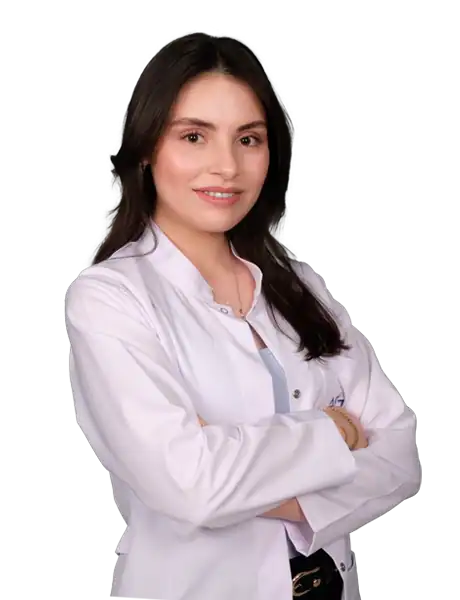 Betül Yıldızlı, Audiologist
Audiology
Betül Yıldızlı, Audiologist
Audiology
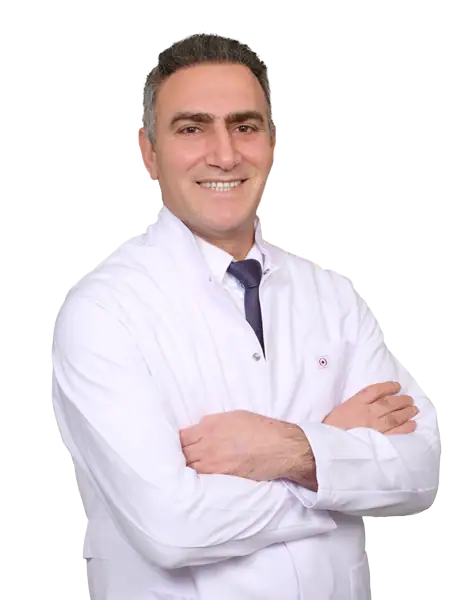 Prof. Çetin Kılıççı, MD
Gynecology & Obstetrics
Prof. Çetin Kılıççı, MD
Gynecology & Obstetrics
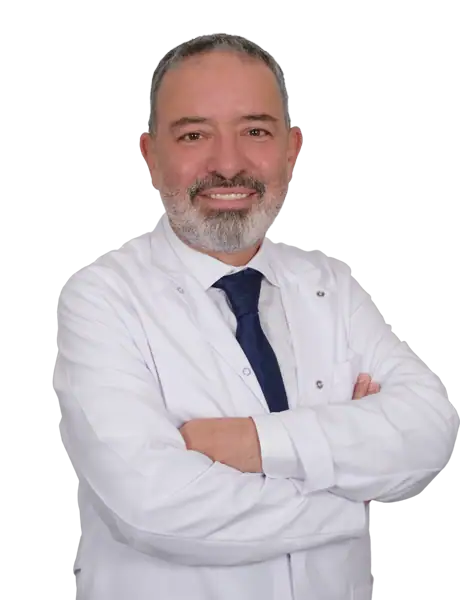 Prof. Ekrem Algün, MD
Internal Medicine
Prof. Ekrem Algün, MD
Internal Medicine
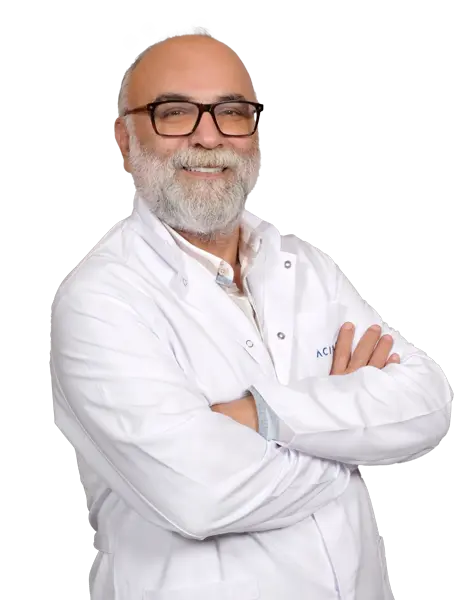 Assoc. Prof. Enver Mahir Gülcan, MD
Pediatric Gastroenterology
Assoc. Prof. Enver Mahir Gülcan, MD
Pediatric Gastroenterology
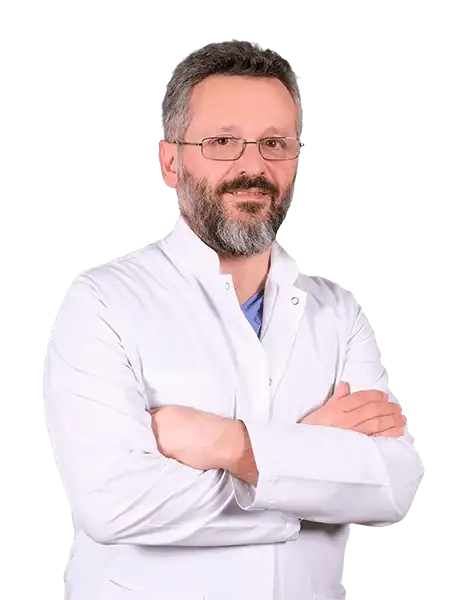 Prof. Eyüp Murat Ökten, MD
Cardiovascular Surgery
Prof. Eyüp Murat Ökten, MD
Cardiovascular Surgery
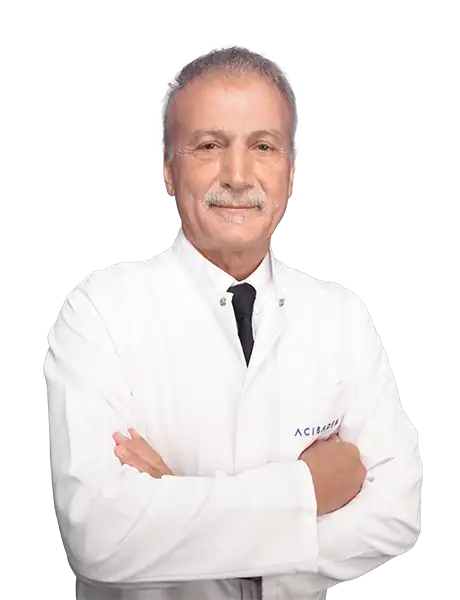 Prof. Fuat Demirci, MD
Gynecology & Obstetrics
Prof. Fuat Demirci, MD
Gynecology & Obstetrics
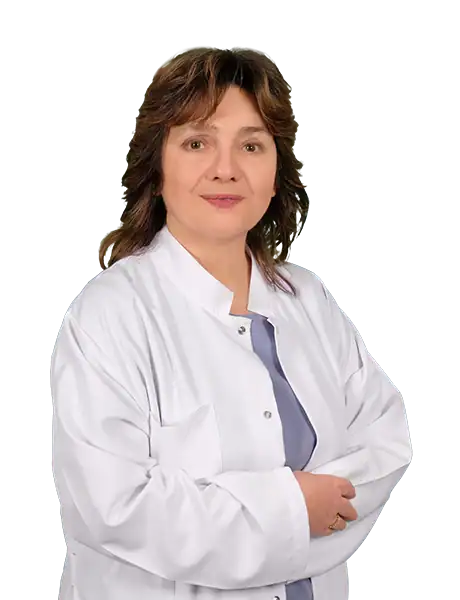 Prof. Gül Sağın Saylam, MD
Pediatric Cardiology
Prof. Gül Sağın Saylam, MD
Pediatric Cardiology
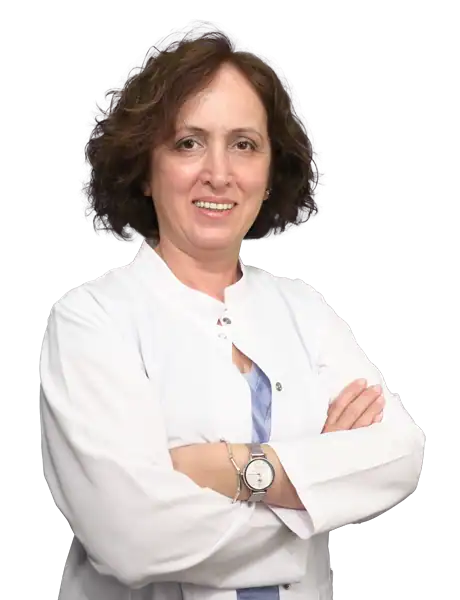 Assoc. Prof. Hepsen Mine Serin, MD
Pediatrics
Assoc. Prof. Hepsen Mine Serin, MD
Pediatrics
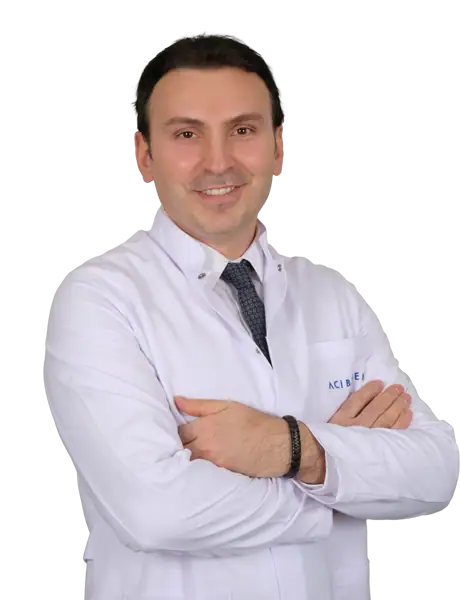 Assoc. Prof. Kemal Paksoy, MD
Neurosurgery
Assoc. Prof. Kemal Paksoy, MD
Neurosurgery
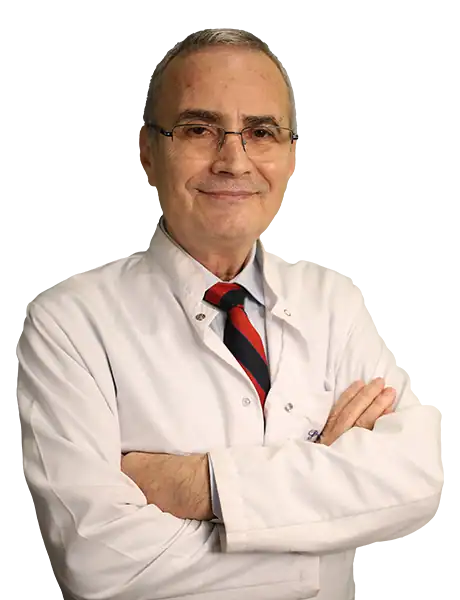 Prof. Müfit Kalelioğlu, MD
Neurosurgery
Prof. Müfit Kalelioğlu, MD
Neurosurgery
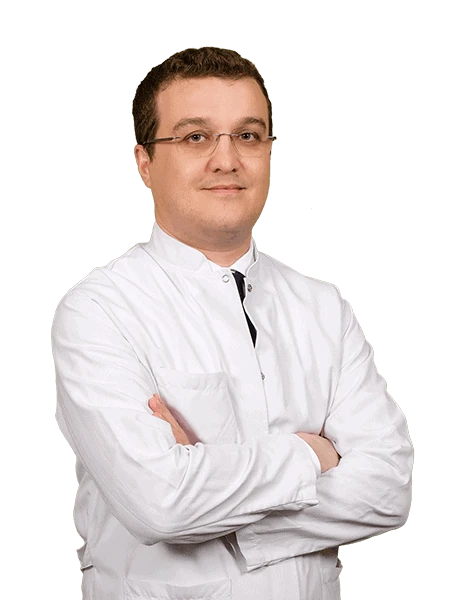 Assoc. Prof. Saygın Abalı, MD
Growth and Puberty
Assoc. Prof. Saygın Abalı, MD
Growth and Puberty
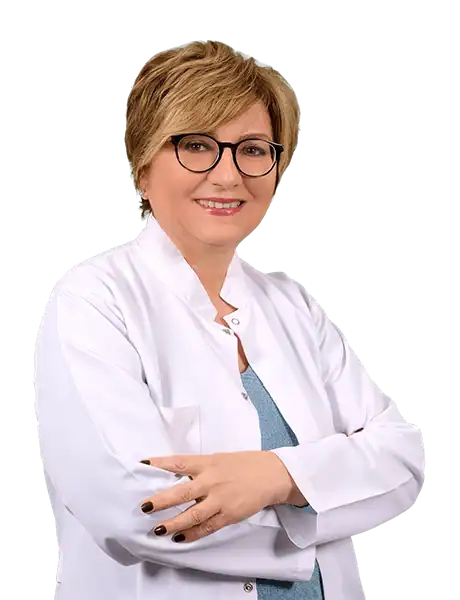 Prof. Serap Semiz, MD
Growth and Adolescence
Prof. Serap Semiz, MD
Growth and Adolescence
Technology available here
33 in total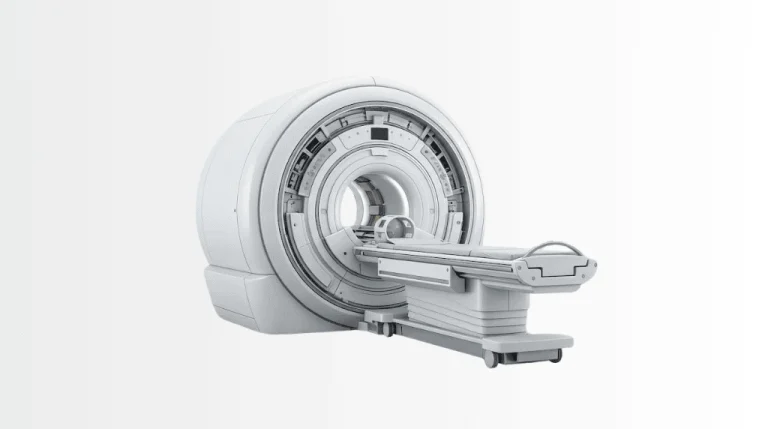 3 Tesla MR
3 min read
3 Tesla MR
3 min read
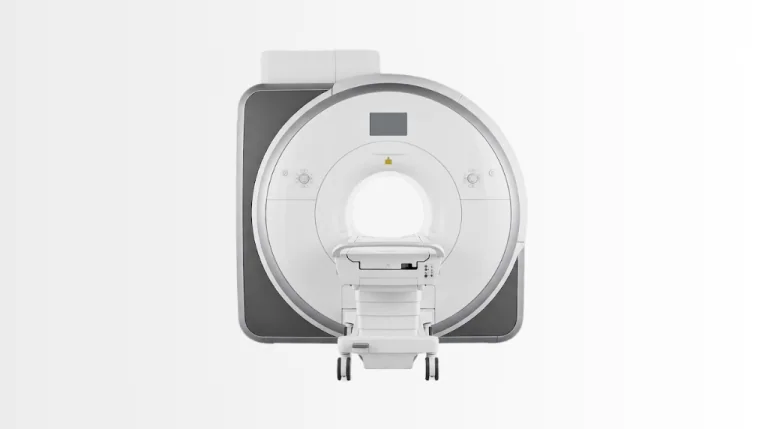 3 Tesla Prism MR
9 min read
3 Tesla Prism MR
9 min read
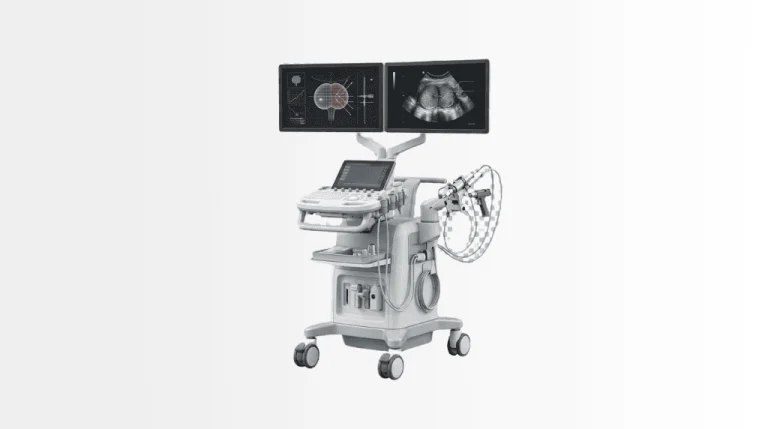 3D Imaging and Navigation System for Prostate Biopsy
9 min read
3D Imaging and Navigation System for Prostate Biopsy
9 min read
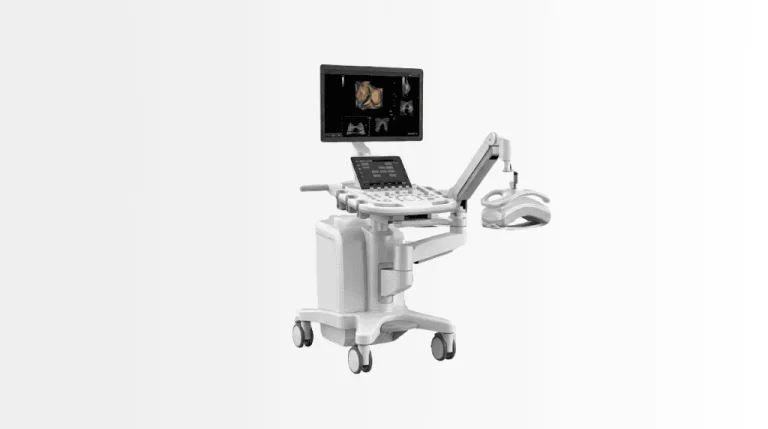 4D Breast Ultrasonography
9 min read
4D Breast Ultrasonography
9 min read
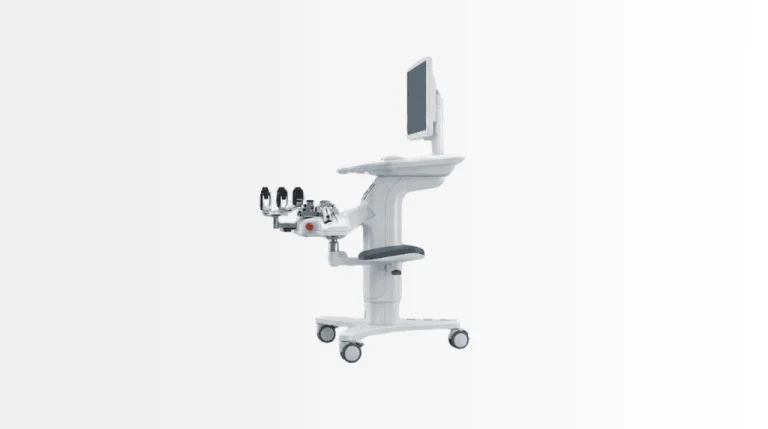 Amadeo
9 min read
Amadeo
9 min read
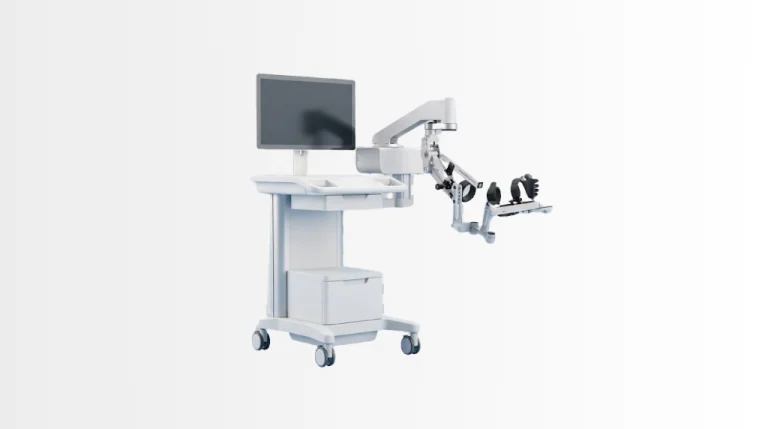 ArmeoSpring
9 min read
ArmeoSpring
9 min read
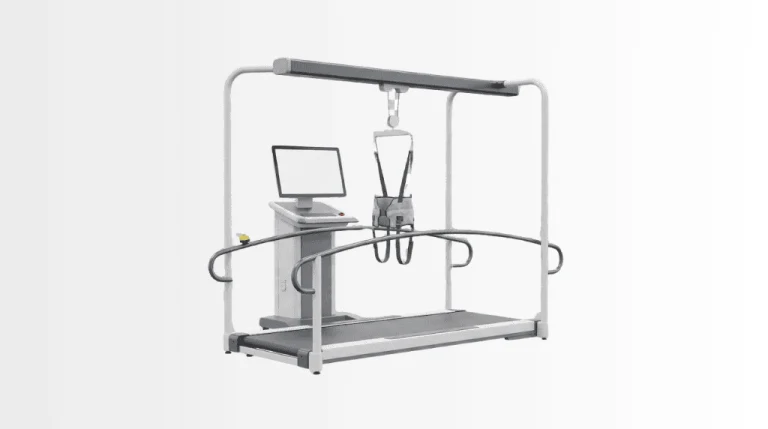 C-Mill
8 min read
C-Mill
8 min read
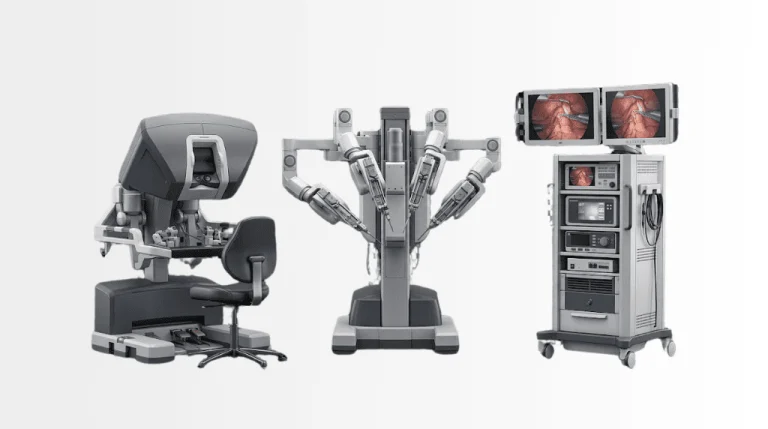 Da Vinci Robotic Surgery
9 min read
Da Vinci Robotic Surgery
9 min read
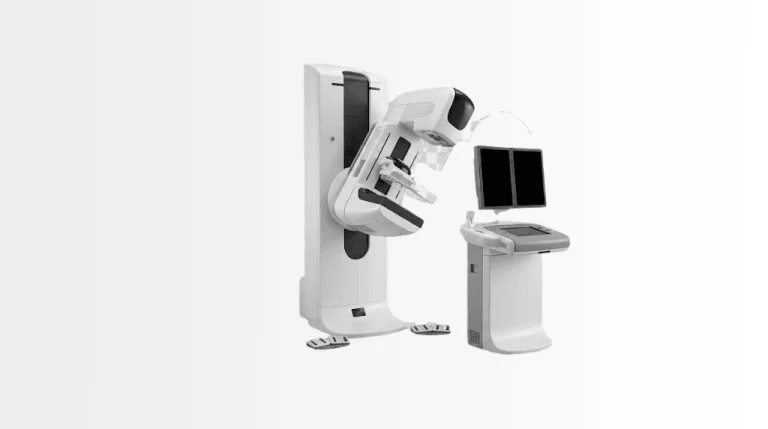 Digital Mammography with 3D Tomosynthesis
3 min read
Digital Mammography with 3D Tomosynthesis
3 min read
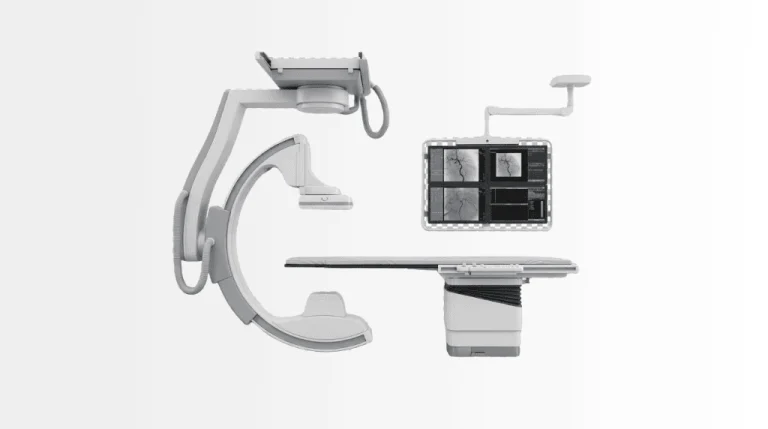 DSA Digital Angiography
3 min read
DSA Digital Angiography
3 min read
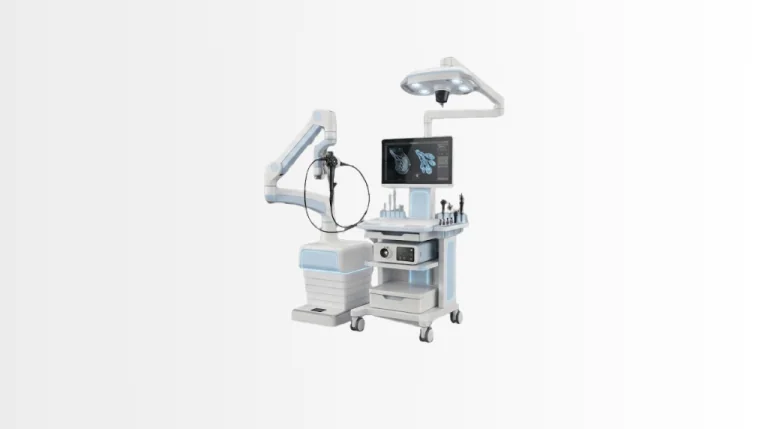 Ductoscopy
10 min read
Ductoscopy
10 min read
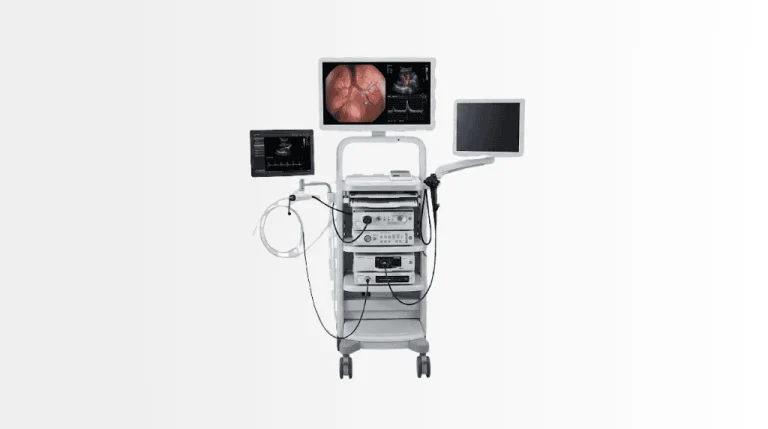 EBUS
3 min read
EBUS
3 min read
Specialties at this hospital
Every specialty with a full team on site — open one to meet the doctors.
- Pediatrics 8
- Oral & Dental Health 7
- Gynecology & Obstetrics 7
- Internal Medicine 7
- Emergency Service 6
- Orthopedic Surgery & Traumatology 5
- Robotic Surgery 5
- Radiology 5
- Menopoz 5
- Urinary Incontinence and Bladder Health 5
- Physical Medicine & Rehabilitation 5
- Neurosurgery 5
- Anesthesiology 5
- Treatment of Pancreas, Liver and Biliary Tract Diseases 4
- Treatment of Hemorrhoids and Anorectal Diseases 4
- Ürojinekoloji 4
- Treatment of Sexual Dysfunction 4
- Spinal Health 4
- General Surgery 4
- Digestive System Diseases and Surgery 4
- Intensive Care 4
- Otorhinolaryngology 4
- Gastroenterology 3
- Nutrition & Diet 3
- Dermatology 3
- Movement Disorders Treatment 3
- Urology 3
- Diagnosis and Treatment of Prostate Diseases 3
- Thyroid Diseases and Treatment 3
Frequently asked questions
Why is the hospital called Dr. Şinasi Can (Kadıköy)?
It carries the name of Dr. Şinasi Can together with its district — the Acıbadem neighbourhood of Kadıköy, in service since 1991 and the address where the group’s story began.
Is this really the first Acıbadem campus?
The hospital has served the Acıbadem district since 1991 — the group’s founding era and the neighbourhood that gave it its name; every later campus descends from this address.
How big is the hospital?
17,600 m² — grown threefold from its original five thousand in 1998 — with 138 beds and 23 intensive-care beds.
What is the hospital best known for surgically?
High-risk cardiac surgery, and adult and paediatric orthopaedic operations across the knee, shoulder, spine and hip.
What counts as high-risk cardiac surgery?
Redo operations, poor-ventricle cases and the comorbidity-heavy patients other lists defer — the category the cardiovascular surgery guide explains honestly, taken here as routine work.
Are children’s orthopaedic operations performed here?
Yes — paediatric orthopaedic surgery alongside the adult range, a discipline of its own because growth plates change every decision.
Is the hospital JCI-accredited?
Honestly: the JCI-accredited Acıbadem hospitals in Türkiye are Maslak, Altunizade, Atakent, Kent and Adana; Kadıköy runs on the same group-wide audited protocols with ISO-accredited laboratories behind its diagnostics.
Is there a 24-hour emergency service?
Yes — around the clock at group standard, with theatres and intensive care in the same building.
We’re with you at every step
How can we help you today?
Talk to a Specialist
Send your diagnosis and reports — a senior specialist reviews them and replies.
Send my reports
Online Doctor Consultation
Meet an Acıbadem specialist by secure video, before you travel.
Book a video visit