
34 chemotherapy units; radiation oncology equipped with Ethos and TrueBeam.
Hospitals in Türkiye
Acibadem Atasehir Hospital
Acibadem's 2022-built Anatolian-side flagship: bariatric and metabolic surgery centre, diabetes-focused endocrinology, heart surgery, IVF and children's care.
- 221 doctors on staff
- LEED Gold Certificate
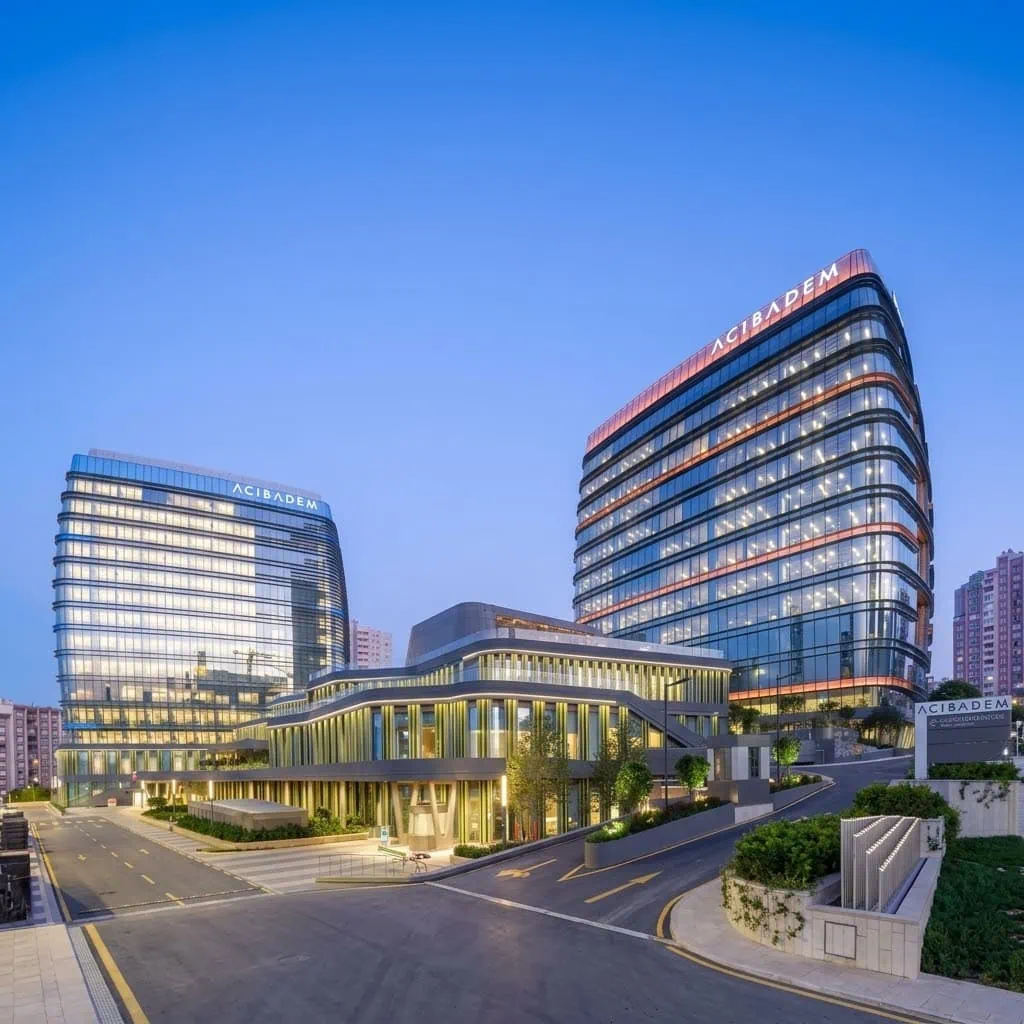
Acibadem Ataşehir Hospital is one of the Acıbadem group’s newest flagships: a purpose-built campus of 65,000 m² on Istanbul’s Anatolian side, opened on 1 September 2022 with 298 beds, 10 operating theatres and 45 intensive-care beds — a hospital designed in the 2020s rather than adapted to them. Its character is metabolic and surgical: the group’s bariatric and metabolic surgery programme is centred here, endocrinology’s diabetes-focused lead professors practise here, and cardiovascular surgery, IVF and children’s care complete a campus that serves the Anatolian side the way Maslak serves the European one. This guide covers what the building is for, which fields lead here, how arriving from abroad works, and thirty directly answered questions — with the live numbers, rooms and visiting rules in their own dedicated sections of this page.
What this building is organised around
A hospital opened in 2022 tells you its priorities through what was designed in rather than added later. Ataşehir’s are legible: operating and intensive-care floors built as one surgical system, a metabolic centre where surgery, endocrinology and clinical nutrition share corridors rather than referral letters, imaging led by 3-Tesla MRI from day one, and inpatient floors planned around companions staying — because this campus was drawn after the group had already learned, over twenty hospitals, what international and local patients actually need. Its Anatolian-side address matters practically: for patients flying into Sabiha Gökçen airport, and for the millions who live on this side of the water, it is the flagship that does not require crossing the Bosphorus.
Quality and safety — the honest frame
Acibadem Ataşehir Hospital operates on the Acıbadem group’s single quality system — the surgical checklists, medication-safety routines, infection control and credentialing standards audited across the group, with laboratory work running through the group’s ISO-accredited laboratories. Five Acıbadem hospitals in Türkiye hold JCI accreditation (Maslak, Altunizade, Atakent, Kent and Adana), and Ataşehir — opened in 2022 — runs on the same protocols those audits examine; this page states that plainly instead of borrowing a badge, because that is how honest quality claims work. What you can rely on concretely: the same tumour-board method, the same physics and laboratory infrastructure, and the same international patient standards described across every unit guide on this platform.
Bariatric and metabolic surgery — the group’s centre of gravity
The bariatric and metabolic surgery unit’s lead surgeons are centred at Ataşehir and Altunizade, and its guide was written the way this campus works: surgery as the final step of a programme — dietitian, psychologist, endocrinologist, anaesthetist and specialist nurse before and after the operation — never as a procedure sold on its own. The guide’s honest sections on who genuinely qualifies, the psychological evaluation’s real purpose, and the lifelong follow-up are exactly the programme run here; for international patients its geo reality is stated openly too, because weight-loss surgery is one of the fields people genuinely travel to Türkiye for, and honest patient selection is what separates a metabolic centre from a package seller.
Diabetes and endocrinology
The endocrinology unit’s diabetes-focused lead professors practise at Ataşehir — the natural partner of the metabolic surgery floor above, and the honest answer to the questions that unit’s guide walks through: diabetes typed correctly (including the LADA and MODY forms that hide inside the common labels), targets set individually, and the insulin-resistance conversation had with evidence rather than slogans. Thyroid, adrenal and pituitary work follow the same guide’s diagnostic pathways, with nuclear medicine on campus for the scans that decide hyperthyroid treatment and internal medicine holding the whole picture for the patient with several conditions at once.
Cardiovascular surgery and heart care
The cardiovascular surgery unit’s Ataşehir professors carry the surgical half of heart care on this campus — bypass, valve repair and replacement, and the aortic and peripheral vascular work that unit’s guide describes as its rediscovered other half — with cardiology’s catheter laboratory delivering the stent, ablation and structural options, and 45 intensive-care beds beneath as the honest backbone. The two units’ deliberate independence — the safeguard the cardiology guide explains openly — applies here exactly as it does across the group: the recommendation you hear is weighed at a heart-team table, not sold by the department you happened to enter.
IVF, women’s health and children
Ataşehir hosts one of the IVF and reproductive health unit’s centres, with the embryology standards and the legal honesty its guide states for international couples, alongside full gynaecology and obstetrics. Children’s medicine is a genuine strength of the campus: the paediatrics unit’s Ataşehir professors, paediatric surgery’s leads for the operations that should never be scaled-down adult procedures, and the newborn intensive care that lets obstetrics accept complexity honestly.
The medical layer: lungs, kidneys, infection, diagnosis
Behind the surgical fields sits the medical depth this campus was staffed for: pulmonology’s Ataşehir professors for airway and lung disease, nephrology’s lead for kidney disease and hypertension work-ups, infectious diseases professors — whose guide covers the traveller’s and regional infections most units never mention — and pathology’s Ataşehir leadership reading the biopsies every other decision depends on. Anaesthesiology’s guide explains the pre-operative assessment that makes the surgical floors above honest, and radiology runs the 3-Tesla imaging backbone with the remote second-opinion reality its guide describes.
Technology, honestly framed
A 2022 building means current-generation infrastructure as the baseline — 3-Tesla MRI, modern operating theatres and monitoring, digital imaging throughout — rather than a single headline machine. The framing this platform applies everywhere applies here unchanged: the plan chooses the technology, never the reverse, and when a treatment genuinely needs a machine that lives on another campus — the MR-Linac radiotherapy or Gamma Knife radiosurgery described in the radiation oncology machine park — the coordinators route you there instead of bending the plan to the building. That routing honesty is a feature of a twenty-hospital group, and this page uses it openly.
The international patient service, step by step
The process has the same fixed shape across the group, run here by Ataşehir’s own international team. First contact: reports, imaging and your question go through the international office’s secure channels — original languages accepted, translation handled here. Remote review: the relevant specialist or board answers three things in writing — the provisional plan, a genuine written cost estimate, and whether travelling is justified at all; “come after these two tests at home” is a normal, honest outcome. Scheduling: appointments and admission are sequenced so the trip is as short as the medicine allows — for the bariatric programme, that includes the pre-operative work-up plan agreed before flights. During care: a named coordinator, interpreter support through consultations and consent (English, Arabic, Russian, German and French routinely; others arranged), one file travelling with you. Departure: a written summary, your imaging and laboratory data, and a follow-up plan addressed to the doctor continuing your care — with video follow-up where regulations allow, which matters doubly for bariatric and diabetes care, where the after-story is the story.
The two standing honesty notes apply here as everywhere: a written estimate is a commitment to transparency that becomes exact after examination, not a to-the-lira quote; and payment, insurer and guarantee-letter questions are settled in writing before travel.
Getting here, staying nearby
Ataşehir sits at the centre of Istanbul’s Anatolian side, beside the main motorway junctions — which makes Sabiha Gökçen the natural airport (with Istanbul Airport fully workable), transfers straightforward in both cases and arranged by the international office as standard. The district itself is a modern business-and-residential centre: hotels of every class, serviced apartments for longer stays, malls, restaurants and pharmacies within minutes — a genuinely liveable base for a companion during a one-to-two-week surgical stay. When a plan spans campuses, transport between the group’s Istanbul hospitals is coordinated rather than left to you.
How to decide whether Ataşehir is your hospital
Choose Ataşehir when your situation touches its centres of gravity — bariatric and metabolic surgery, diabetes and endocrine disease, cardiovascular surgery, IVF and women’s health, children’s medicine — or when an Anatolian-side base fits your travel and family logistics. Other campuses lead elsewhere, and this page says so instead of claiming everything: the radiotherapy machine park and radiosurgery are at Maslak and Altunizade, medical genetics at Altunizade, and several unit guides name Maslak or Atakent professors as their leads. The coordinators route you to the right campus, not the nearest one; and if a records-based written opinion answers your question without a flight, that is a complete outcome — no page on this platform will talk you onto a plane.
LEED Gold Certificate
Certification held by this hospital
213 specialists · 38 medical units
All listed on this page, field by field
65,000 m²
Enclosed Area
298
Bed Capacity
10
Operating Rooms
45
Intensive Care Beds
Inside this facility
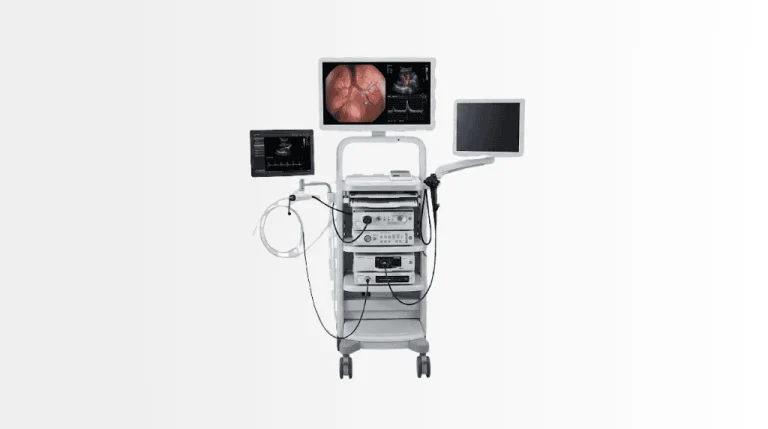
MRI, PET-CT, Force CT, whole-body MRI, digital mammography, EUS, EBUS, Fibroscan and ultrasound.
10 operating theatres plus an IVF theatre, a minor-surgery room, 3 endoscopy/colonoscopy rooms and 2 angiography suites.
Pediatrics in a separate adjacent building with child-focused design, activity areas and inpatient rooms, open 24 hours.
45 beds across adult, coronary, cardiovascular surgery and neonatal ICUs; patient floors convertible to negative-pressure ICU areas.
Smart-building systems for lighting, energy, patient transfer and infrastructure; RFID tracking from medical workflows to infant and child monitoring.
53 observation beds for different clinical needs, including emergency, endoscopy-angiography, pediatric and IVF observation.
Daylight-integrated lighting automation, rainwater use and a cogeneration system in an environment-friendly building.
Patient rooms
- Electronic patient-controlled bed
- Smart toilet system
- Spacious bathroom with seat
- Individually adjustable climate control
- Digital assistant service
- Integrated nurse call system
- Scene lighting and room automation
- Personal safe
- Minibar
- Electronic patient-controlled bed
- Smart toilet system
- Individually adjustable climate control
- Digital assistant service
- Integrated nurse call system
- Scene lighting and room automation
- Personal safe
- Minibar
- Sofa bed for companion
- Electronic patient-controlled bed
- Smart toilet system
- Spacious bathroom with seat
- Individually adjustable climate control
- Digital assistant service
- Integrated nurse call system
- Scene lighting and room automation
- Personal safe
- Minibar
- Electronic patient-controlled bed
- Smart toilet system
- Spacious bathroom with seat
- Individually adjustable climate control
- Digital assistant service
- Integrated nurse call system
- Scene lighting and room automation
- Personal safe
- Minibar
Visiting guide
- Companions
- One companion per patient; visitors staying in the room after 22:00 are registered as companions.
- Flowers
- Not allowed in patient rooms and floors, to avoid infection risk; flowers left at reception are handed over at discharge.
- Smoking
- Prohibited in all indoor areas of the hospital.
Facilities for patients and visitors
- Parking
- Cafeteria
- Prayer room
- Hairdresser
- ATM
Doctors at this hospital
221 in total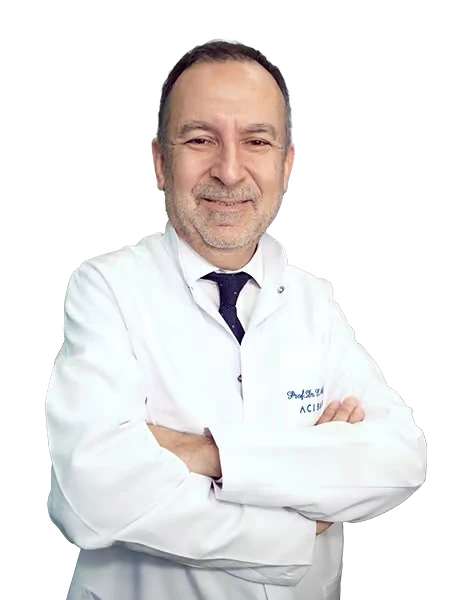 Prof. Alp Yentür, MD
Anesthesiology
Prof. Alp Yentür, MD
Anesthesiology
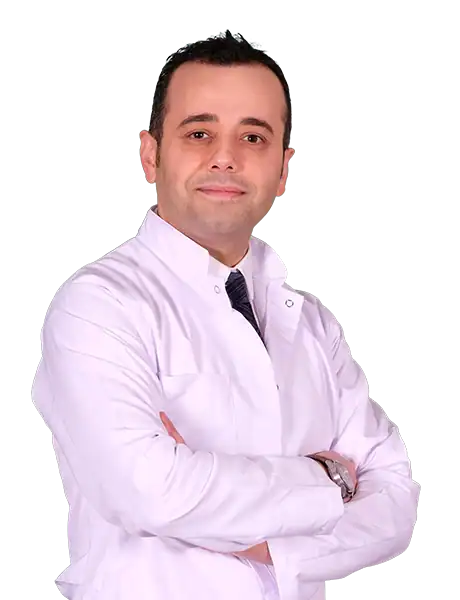 Alper Sonkaya, MD
Medical Oncology
Alper Sonkaya, MD
Medical Oncology
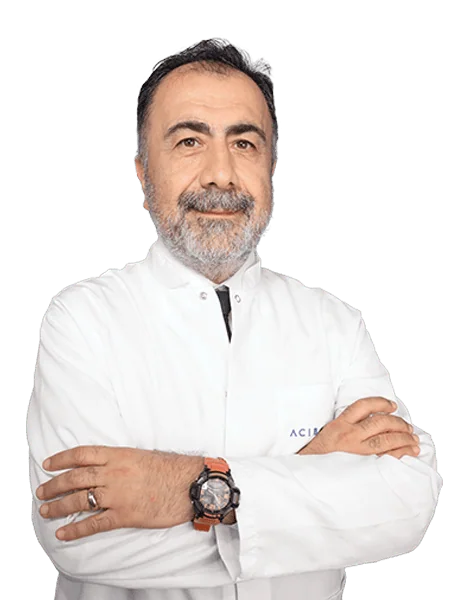 Atilla Aslan, MD
Radiology
Atilla Aslan, MD
Radiology
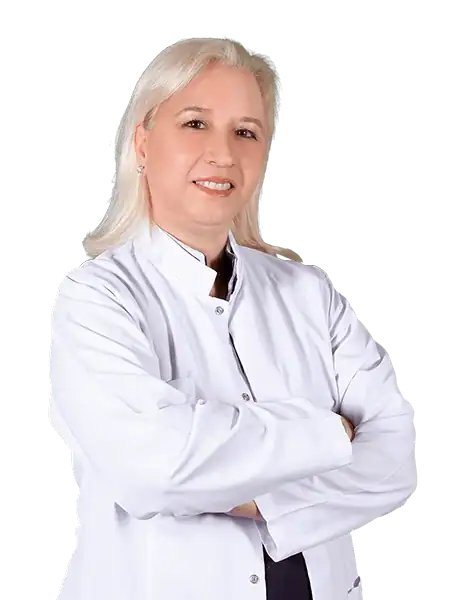 Prof. Ayşe Sesin Kocagöz, MD
Clinical Laboratory
Prof. Ayşe Sesin Kocagöz, MD
Clinical Laboratory
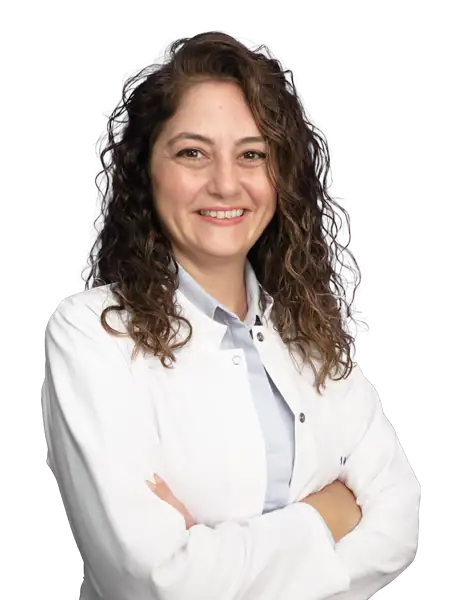 Assoc. Prof. Bahar Özcabı, MD
Growth and Adolescence
Assoc. Prof. Bahar Özcabı, MD
Growth and Adolescence
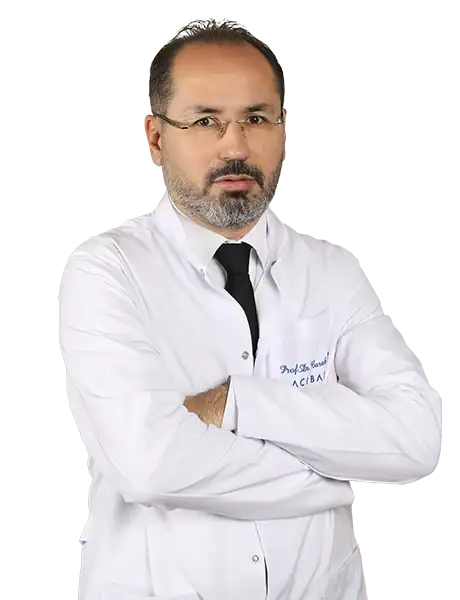 Prof. Burak Akan, MD
Hip and Knee Replacement Surgery
Prof. Burak Akan, MD
Hip and Knee Replacement Surgery
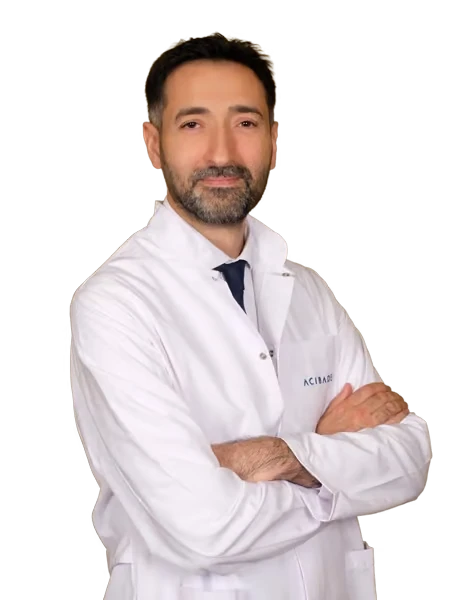 Cavit Türker, MD
Emergency Service
Cavit Türker, MD
Emergency Service
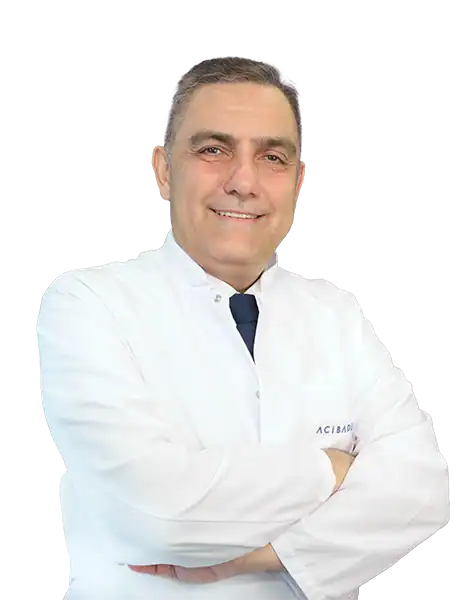 Prof. Coşkun Çeltik, MD
Pediatrics
Prof. Coşkun Çeltik, MD
Pediatrics
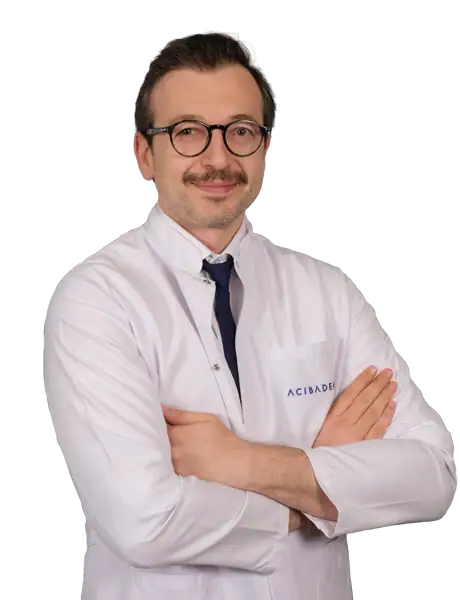 Engin Erdemoğlu, MD
Medical Oncology
Engin Erdemoğlu, MD
Medical Oncology
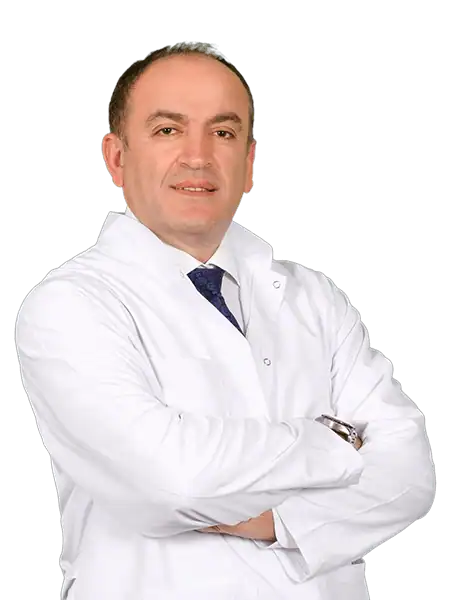 Prof. Erdal Okur, MD
Thoracic Surgery
Prof. Erdal Okur, MD
Thoracic Surgery
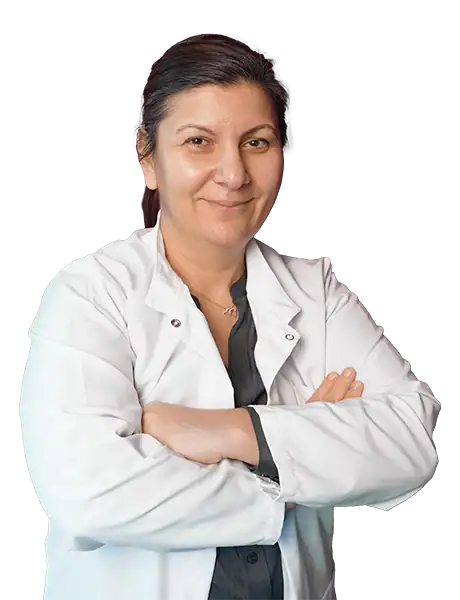 Prof. Evrim Kadriye Tezcanlı, MD
Radiation Oncology
Prof. Evrim Kadriye Tezcanlı, MD
Radiation Oncology
 Prof. Faruk Abike, MD
Gynecology & Obstetrics
Prof. Faruk Abike, MD
Gynecology & Obstetrics
Technology available here
39 in total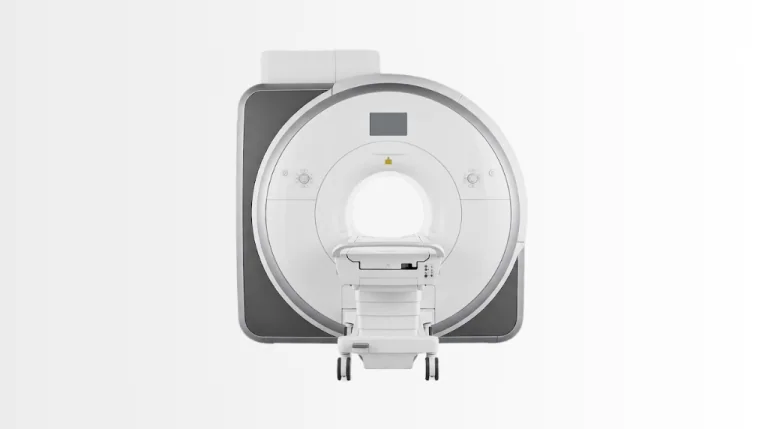 3 Tesla Prism MR
9 min read
3 Tesla Prism MR
9 min read
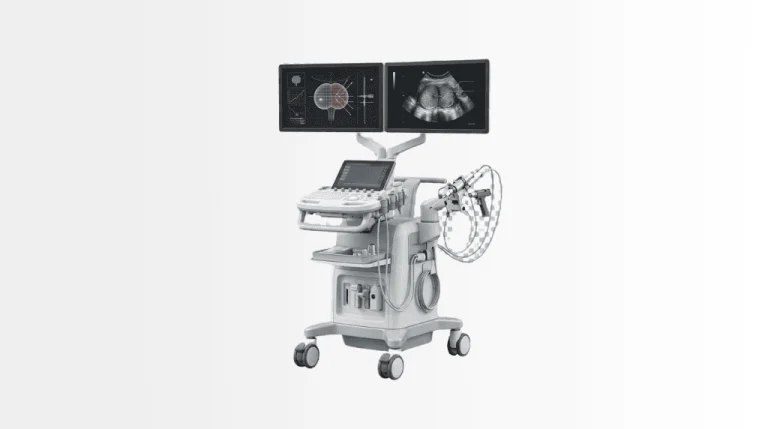 3D Imaging and Navigation System for Prostate Biopsy
9 min read
3D Imaging and Navigation System for Prostate Biopsy
9 min read
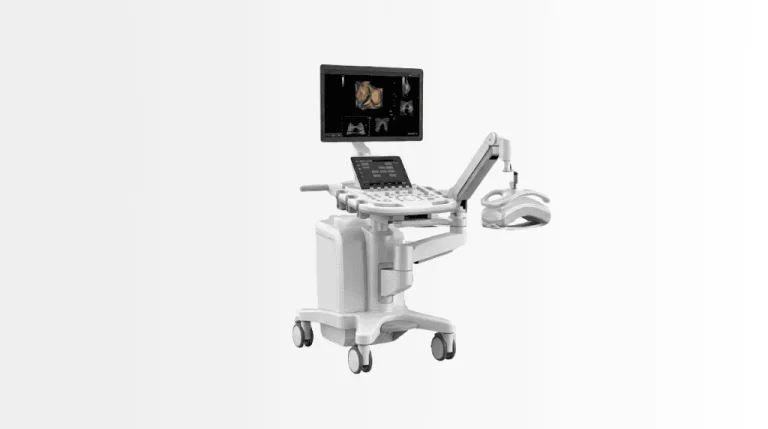 4D Breast Ultrasonography
9 min read
4D Breast Ultrasonography
9 min read
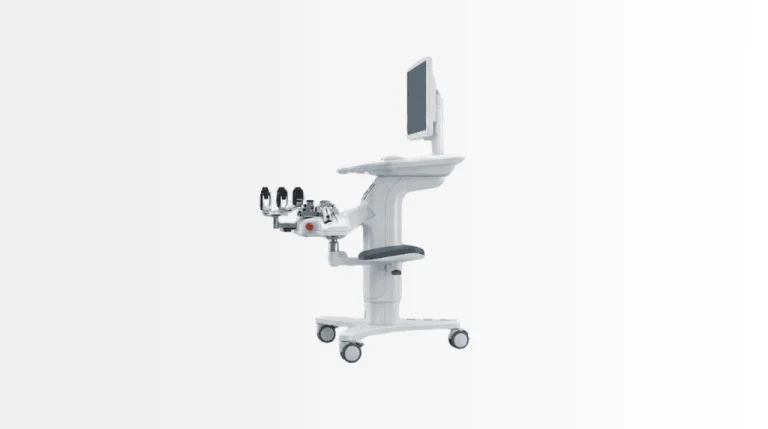 Amadeo
9 min read
Amadeo
9 min read
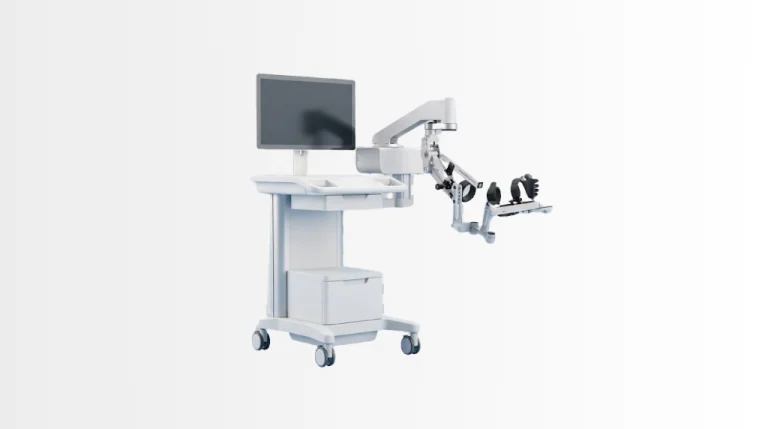 ArmeoSpring
9 min read
ArmeoSpring
9 min read
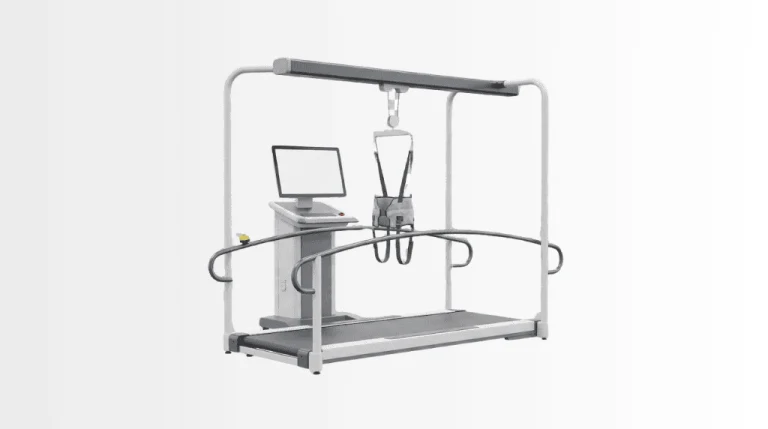 C-Mill
8 min read
C-Mill
8 min read
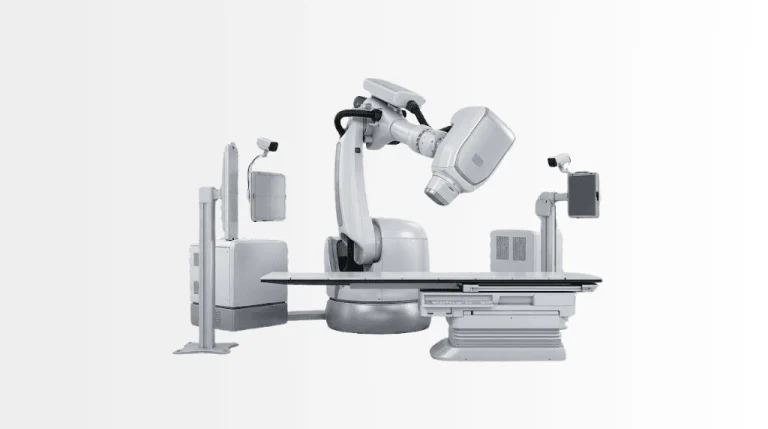 CyberKnife
4 min read
CyberKnife
4 min read
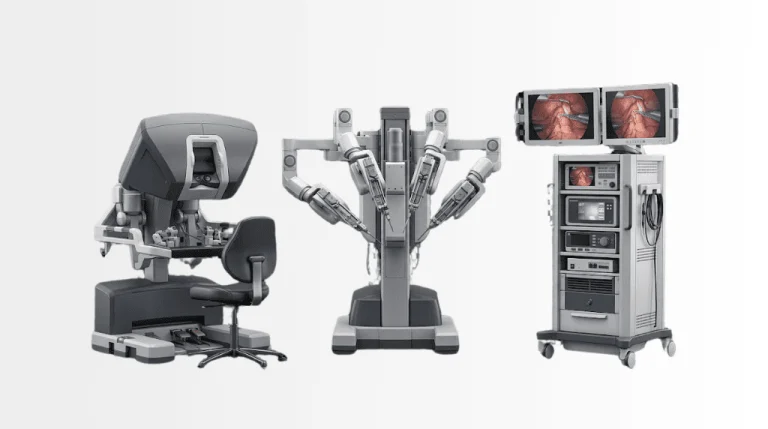 Da Vinci Robotic Surgery
9 min read
Da Vinci Robotic Surgery
9 min read
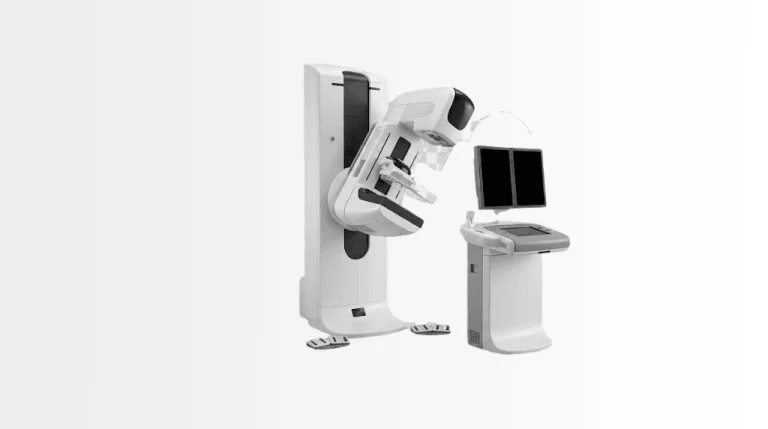 Digital Mammography with 3D Tomosynthesis
3 min read
Digital Mammography with 3D Tomosynthesis
3 min read
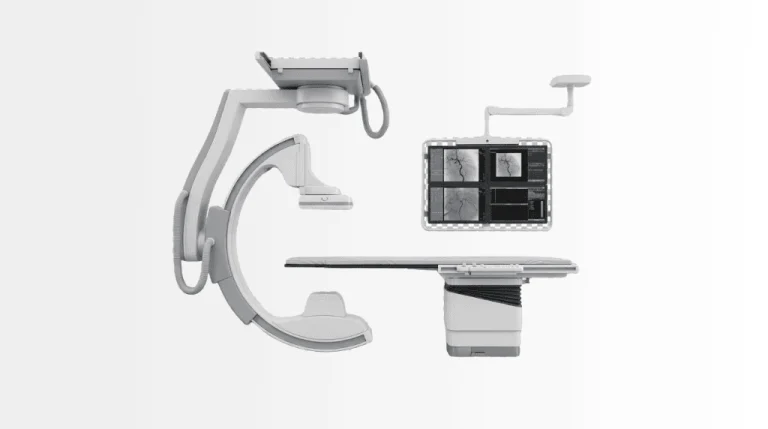 DSA Digital Angiography
3 min read
DSA Digital Angiography
3 min read
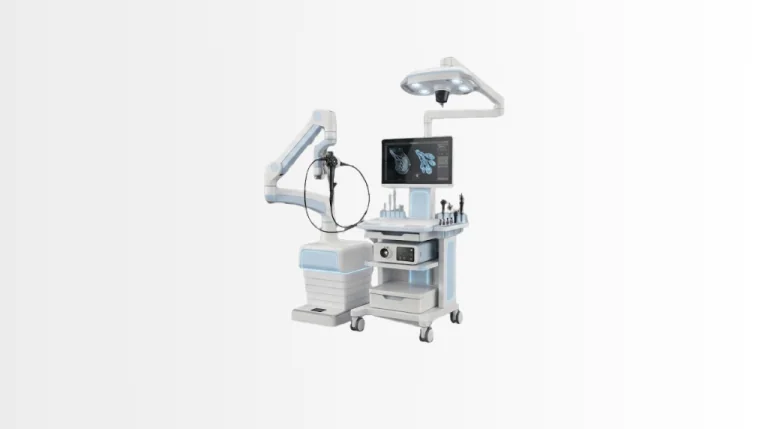 Ductoscopy
10 min read
Ductoscopy
10 min read
 EBUS
3 min read
EBUS
3 min read
Specialties at this hospital
Every specialty with a full team on site — open one to meet the doctors.
- Pediatrics 19
- Anesthesiology 16
- Gynecology & Obstetrics 14
- General Surgery 14
- Physical Medicine & Rehabilitation 12
- Orthopedic Surgery & Traumatology 11
- Radiology 11
- Menopoz 11
- Ürojinekoloji 9
- Hip and Knee Replacement Surgery 8
- Treatment of Sexual Dysfunction 8
- Urinary Incontinence and Bladder Health 8
- Cardiology 8
- Robotic Surgery 7
- Digestive System Diseases and Surgery 7
- Treatment of Hemorrhoids and Anorectal Diseases 7
- Emergency Service 7
- Otorhinolaryngology 7
- Urogynecology 6
- Endometriosis Treatment 6
- Psychology 6
- Medical Oncology 5
- Oral & Dental Health 5
- Dermatology 5
- Internal Medicine 5
- Ophthalmology 5
- Neurology 5
- Headache Treatment 5
- Functional Medicine 4
- Physical Therapy and Rehabilitation - Pain Management 4
Frequently asked questions
How do international patients start treatment at Acibadem Ataşehir Hospital?
Records first, flights later: reports and imaging are reviewed remotely, a written plan and cost estimate follow, and travel is booked once the plan justifies it — coordinated by the international office from first contact.
Which languages does the international team support?
English, Arabic, Russian, German and French routinely, with other languages arranged on request — through consultations, consent conversations and discharge teaching, not just reception.
When did the hospital open?
On 1 September 2022 — one of the group’s newest campuses, purpose-built rather than converted, which shows in the infrastructure throughout.
How big is the hospital?
65,000 m² of enclosed space with 298 beds, 10 operating theatres and 45 intensive-care beds, on the Anatolian side of Istanbul.
Is Ataşehir JCI-accredited?
Honestly: the JCI-accredited Acıbadem hospitals in Türkiye are Maslak, Altunizade, Atakent, Kent and Adana; Ataşehir, opened in 2022, runs on the same group-wide quality protocols those audits examine, with ISO-accredited laboratory infrastructure behind it.
Why is Ataşehir the campus for weight-loss surgery?
Because the bariatric and metabolic surgery unit’s lead surgeons and its full programme — dietitian, psychologist, endocrinologist and specialist nursing before and after the operation — are centred here and at Altunizade, as the unit’s guide describes in detail.
Who qualifies for bariatric surgery?
Candidacy is medical, not commercial — the bariatric guide walks through the honest criteria, the psychological evaluation’s real purpose and the alternatives, and an assessment here can conclude that surgery is not the right answer; that conclusion is a service.
Can my diabetes be managed here long-term from abroad?
The model is diagnosis, typing and a precise written plan here, with video follow-up where regulations allow and your home clinician holding the handover — the endocrinology guide explains why titration is measured in weeks and how remote continuity works.
We’re with you at every step
How can we help you today?
Talk to a Specialist
Send your diagnosis and reports — a senior specialist reviews them and replies.
Send my reports
Online Doctor Consultation
Meet an Acıbadem specialist by secure video, before you travel.
Book a video visit