
75 chemotherapy rooms, including 19 standard and 4 observation rooms in the Oncology Star Unit.
Hospitals in Türkiye
Acibadem Maslak Hospital
Acibadem's JCI-accredited Istanbul flagship: MR-Linac radiotherapy, robotic surgery and complete cancer, heart, neuroscience and IVF centres.
- 282 doctors on staff
- JCI accredited hospital
- LEED Gold Certificate
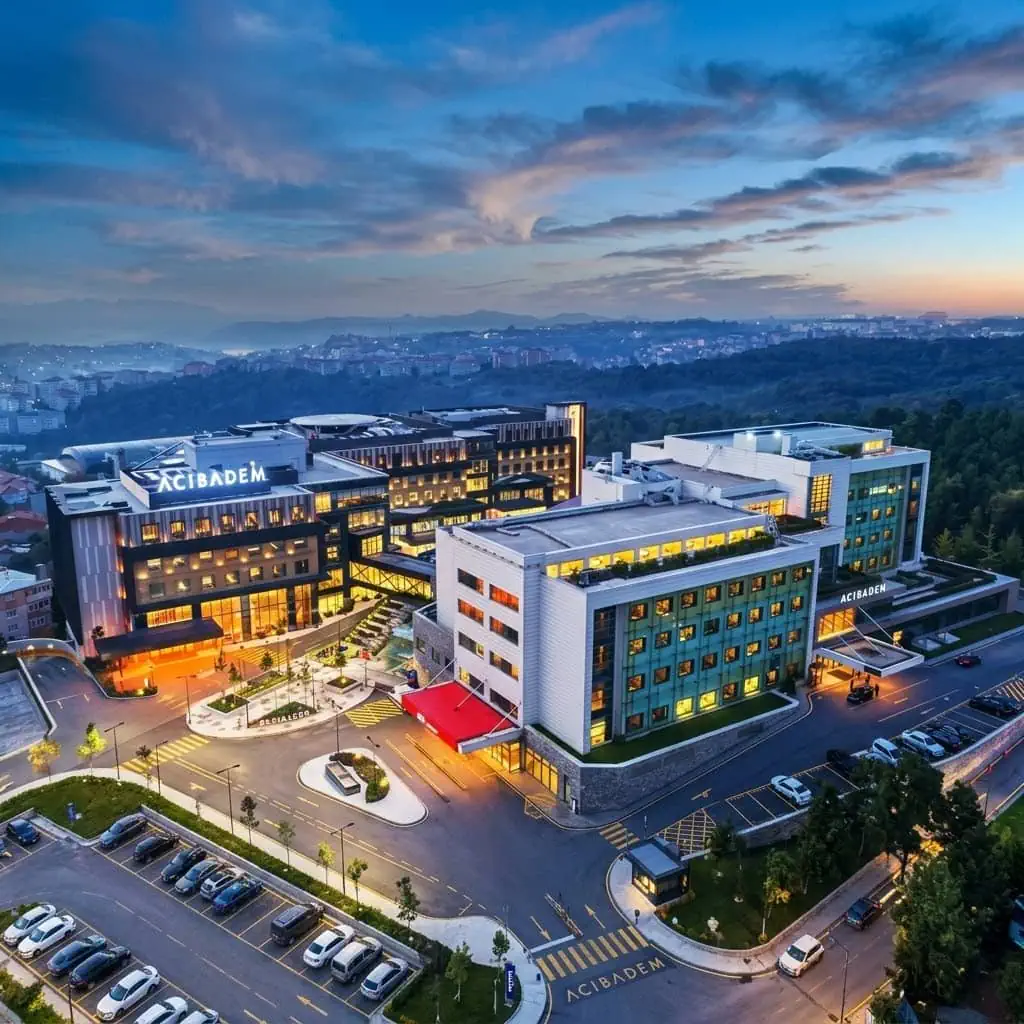
Acibadem Maslak Hospital is the Acıbadem group’s largest Istanbul hospital and its academic flagship: a JCI-accredited, LEED Gold certified campus of 106,000 m² in the Maslak business district on the European side, opened in 2009 and expanded since into 231 beds, 20 operating theatres and 51 intensive-care beds. It is the hospital international patients most often mean when they say “Acıbadem in Istanbul” — home to the group’s most advanced radiotherapy machine park, one of its most complete cancer systems, and flagship programmes in neuroscience, heart, IVF and complex surgery. This guide covers the whole of it: what the building is organised around, what each flagship field actually offers, how arriving from abroad works step by step, and thirty directly answered questions — with the live numbers, room types, amenities and visiting rules in their own dedicated sections of this page.
What this building is organised around
Every hospital says it treats everything; buildings tell the truth more plainly. What Maslak’s floor plan actually encodes is the care of serious, multi-team illness. One of the group’s most complete cancer systems — medical oncology with 75 chemotherapy chairs, radiation oncology with its machine park, nuclear medicine, subspecialist pathology — sits beside surgical depth in the brain, heart, chest and abdomen, a full women’s health and IVF centre, and the intensive-care capacity that lets major surgery be offered honestly. Twenty operating theatres and an imaging backbone running from routine ultrasound to research-grade scanners mean the diagnostic question, the tumour board and the treatment usually happen inside one building — which, for a person who has flown four hours to be here, is not a luxury but the whole point.
Two facts are worth reading as signals rather than trivia. LEED Gold certification means the campus was engineered to environmental standards very few hospitals in the region attempt. And the neonatal intensive care unit was Turkey’s first designed with dedicated mother rooms beside the incubators — a decision about who a hospital is actually for, made years before it became fashionable.
JCI accreditation — and what it actually promises you
Acibadem Maslak Hospital holds Joint Commission International (JCI) accreditation, the most widely recognised international benchmark for hospital quality and patient safety, held by seven Acıbadem hospitals in total. What that concretely promises a patient: care processes audited on site against hundreds of measurable standards — surgical safety checklists, medication-error prevention, infection control, staff credentialing, and the honest reporting culture that catches problems early — re-examined in cycles rather than granted once. Accreditation does not make any hospital infallible, and it is not a marketing word here: it is the reason a stranger from another country can reasonably trust systems they cannot personally inspect. Alongside it, the group runs ISO-accredited laboratories, and this campus’s LEED Gold certificate covers the building itself — air quality, energy and materials engineered to a standard that is audited too.
Cancer care as one system
What distinguishes cancer care at Maslak is not any single department but the circuit. Diagnosis is read by subspecialist pathology — the discipline whose guide explains why the report, not the scan, is the diagnosis — with molecular testing in the group’s own laboratories. Staging runs through nuclear medicine’s PET-CT. Treatment is planned at a multidisciplinary tumour board where the surgeon, the medical oncologist and the radiation oncologist sit at one table — the working method every unit guide on this platform describes, practised here in one corridor. Delivery then spans medical oncology’s 75-chair chemotherapy floor, the radiation machines described in the next section, and the operating theatres; haematology, bone-marrow transplant support and pain management complete the system, with psychiatry’s consultation-liaison work woven into oncology wards rather than housed apart. The honest advantage is short distances between decisions — days saved between question and answer, and no referral letters crossing a city.
Radiation oncology and radiosurgery — the group’s flagship machine park
Maslak concentrates the radiotherapy technology the radiation oncology guide explains machine by machine. The MR-Linac combines a linear accelerator with diagnostic-grade MRI, imaging soft tissue in real time while the beam runs — the machine of choice for targets that move and hide, and one of the technologies that draws referring doctors here from abroad; the unit’s MR-Linac adaptive-therapy lead professor practises on this campus. TrueBeam-class accelerators deliver the IMRT, VMAT and image-guided treatments that are the daily standard, along with stereotactic body radiotherapy — the one-to-five-session SBRT courses that have turned “weeks of radiotherapy” into “days” for selected lung, prostate and liver tumours. If radiotherapy is part of your plan, three sections of that guide were written for exactly this campus’s way of working: the machine park, honestly explained, planning and simulation, and coming from abroad — including the honest sentence that the schedule is the trip.
Neuroscience: brain and spine, surgical and medical
The neurosurgery unit’s flagship professors are led from Maslak, operating on the full range that unit’s guide walks through honestly — brain tumours and skull-base surgery, aneurysms, ACDF and complex spine, epilepsy and functional neurosurgery — beside neurology’s Maslak-based leads for stroke, epilepsy, movement disorders, multiple sclerosis and the memory clinic. The pairing matters more than either half: both guides describe brain and spine care as one team, so that a tumour, an aneurysm or a spine problem is weighed medically and surgically in the same conversation rather than in sequence, and radiosurgery (delivered by the machine park upstairs) is weighed beside the scalpel every time it is a genuine alternative. For international patients the practical consequence is the one the neurosurgery guide states: scans are reviewed remotely first, and surgery is scheduled only when the case for it has survived that review.
Heart: from catheter laboratory to operating theatre
Maslak carries both halves of heart care as separate, deliberately independent units — the structure the cardiology guide explains openly as a safeguard: the doctor recommending a stent is not the doctor selling you surgery, and vice versa. Cardiology runs the catheter-based side — coronary angiography and stenting, electrophysiology and ablation for rhythm disorders, TAVI and the structural-heart closures — with the imaging (echo, CT angiography, cardiac MRI) to decide honestly between them. Cardiovascular surgery’s Maslak-led professors handle bypass, valve repair and replacement, and complex aortic work, with 51 intensive-care beds underneath as the honest backbone that lets complex cases be accepted. Between the two sits the heart-team conversation both guides describe — the place where “which treatment” is actually decided.
IVF, women’s health and birth
The IVF and reproductive health unit runs one of its principal centres at Maslak — with the embryology laboratory standards its guide describes, and the legal honesty it states plainly for international patients: Turkish law permits treatment with a couple’s own cells, and the guide explains exactly what that means before anyone travels. Around it sits full gynaecology and obstetrics — from fibroid and endometriosis surgery to gynaecologic oncology — and perinatology’s Maslak professors for high-risk pregnancy, backed by the mother-room NICU described earlier: the honest reason a complicated pregnancy is safer in a hospital where the newborn intensive care is one floor away, not one city away.
Endocrine, metabolic and internal medicine
The medical layer beneath everything else this campus does is led here too. The endocrinology unit’s thyroid-focused Maslak professors run the nodule pathway that guide walks through — ultrasound, TIRADS scoring and biopsy in days, the pace that makes a single trip diagnostic. The internal medicine leads own the patient who does not fit one specialty — the unexplained symptom, the five-medicine list, and the pre-surgical optimisation their guide explains as the step that most often prevents a cancelled operation after a long flight. Clinical nutrition and infectious diseases complete the layer, and nephrology and pulmonology’s Maslak professors carry their organ systems’ medical side.
Chest: thoracic surgery and lung medicine
The thoracic surgery unit — led from Maslak and Altunizade — handles the lung-nodule and lung-cancer surgery its guide describes as the most winnable board it measured, alongside airway, oesophageal and chest-wall work. Pulmonology’s Maslak professors run the medical half: bronchoscopy and EBUS staging, interstitial lung disease, sleep medicine. Between them sits the honest lung-cancer conversation both guides and the radiation oncology lung section describe — surgery, SBRT or chemoradiation weighed by one board rather than sold by one department.
The imaging backbone — and second opinions that travel
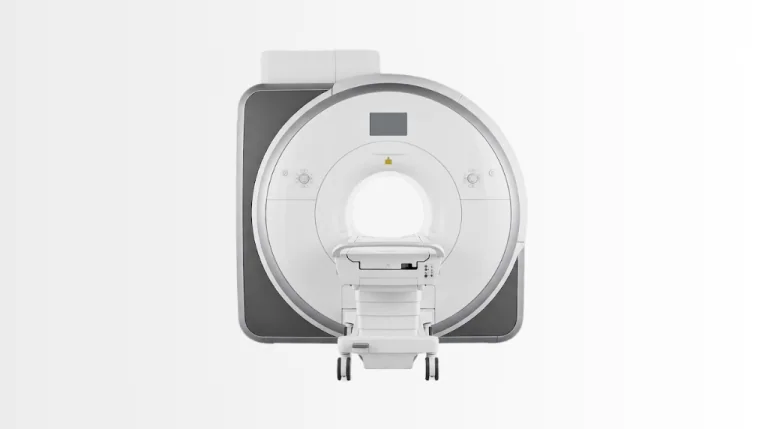
None of the above works without radiology, and Maslak’s imaging floor is sized accordingly: 3-Tesla MRI including open options, multislice CT, PET-CT through nuclear medicine, interventional radiology for image-guided biopsies and treatments, and the subspecialist reading the radiology guide explains as the real product. For international patients one sentence from that guide matters most: in radiology, the data travels better than the patient — scans done at home are re-read here as a matter of routine, second opinions are delivered in writing without a flight, and when you do travel, yesterday’s imaging from another country is integrated rather than repeated by default.
Technology, honestly framed
Maslak concentrates much of the group’s flagship technology: the MR-Linac and TrueBeam accelerators above, da Vinci robotic surgery used across urology, gynaecology and general surgery, hybrid theatres for combined procedures, and the laboratory and imaging depth already described. The framing this platform applies everywhere applies here too: the plan chooses the machine, never the reverse. A robot is a tool in trained hands, not a treatment; a scanner is as good as the subspecialist reading it; and the honest question is always whether a technology changes your outcome — which the unit guides linked throughout this page answer machine by machine and operation by operation, including when the answer is “it does not, and the simpler option serves you better”.
The international patient service, step by step
Maslak hosts one of the group’s largest international patient teams, and the process has a fixed shape worth knowing in advance. First contact: you share reports, imaging and your question through the international office’s secure channels — original languages accepted, translation handled here. Remote review: the relevant specialist (or tumour board, for cancer) reviews the records and answers three things in writing — the provisional plan, what it will cost as a genuine written estimate, and whether travelling is justified at all; “come later, after these two tests at home” is a normal outcome and a service, not a rejection. Scheduling: appointments, admission and transfers are sequenced so the trip is as short as the medicine allows — the unit guides state honestly when a course’s length is the trip’s length. During care: a named coordinator, interpreter support through every appointment and consent conversation (English, Arabic, Russian, German and French routinely; others arranged), and one file that travels with you between departments. Departure: a written treatment summary, the actual imaging and laboratory data, and the follow-up plan addressed to the doctor who continues your care at home — because, as every guide on this platform repeats, a plan that lands in no one’s hands at home is a holiday, not healthcare.
Two honest notes. A cost estimate becomes exact only after examination here — written estimates are commitments to transparency, not quotes to the last figure, and anyone promising the latter before seeing you is selling. And payment, insurance and guarantee-letter questions are answered by the international office in writing before you travel, not discovered at a desk afterwards.
Getting here, staying nearby
The hospital sits in Maslak, the business district on Istanbul’s European side, directly on the metro network and the main Büyükdere artery — which in practice means straightforward transfers from both Istanbul Airport and Sabiha Gökçen, hotel stock of every class within a short ride, and the everyday city (restaurants, pharmacies, malls) immediately around the campus rather than across a bridge. Airport pick-up is arranged by the international office as standard; families staying for longer treatments are helped with serviced-apartment options nearby; and when a plan spans campuses, transport between the group’s Istanbul hospitals is coordinated rather than left to you. Istanbul itself is the quiet advantage: direct flights from most of Europe, the Gulf, Central Asia and Africa, and a city a companion can actually live in for six weeks of radiotherapy rather than merely wait in.
How to decide whether Maslak is your hospital
An honest decision framework beats any slogan. Maslak is the strong choice when your situation touches its flagship systems — cancer in any form, radiotherapy and radiosurgery, brain and spine, heart, high-risk pregnancy and IVF, complex chest and endocrine disease — or when your case is genuinely multi-team, because the tumour-board-style working method is this campus’s native language. Other Acıbadem campuses lead elsewhere, and this page says so plainly rather than claiming everything: bariatric and metabolic surgery is centred at Ataşehir and Altunizade, medical genetics at Altunizade, and several unit guides name Atakent or İzmir Kent professors as their leads. The coordinators route you to the right campus, not the nearest one — that is how a group of this size is supposed to work, and the unit guides always name where their lead physicians actually practise. And if what you need is reassurance rather than treatment, a written second opinion from records is a complete, legitimate outcome; no page on this platform will talk you onto a plane.
JCI accredited hospital
International patient-safety standard, re-surveyed every three years
LEED Gold Certificate
Certification held by this hospital
281 specialists · 40 medical units
All listed on this page, field by field
106,000 m²
Enclosed Area
231
Bed Capacity
20
Operating Rooms
51
Intensive Care Beds
Inside this facility
13 incubators, an isolation room and 2 Mother’s Rooms — a first in Türkiye — so mothers can stay close to their babies.
Robot-assisted procedures performed across urology, gynecology and general surgery.
Dedicated IVF center with its own operating theatres for couples wishing to conceive.
Mobile robots carry materials and equipment — a first in the Turkish healthcare sector.
Labor coaching and lactation support under a holistic mother-and-baby approach.
Closed-loop medication delivery supporting safe drug use and patient safety.
Environment-friendly hospital building holding the LEED Gold certificate.
Patient rooms
- Electronic patient-controlled bed
- Individually adjustable climate control
- Smart TV
- Digital assistant service
- Integrated nurse call system
- Scene lighting and room automation
- Personal safe
- Minibar
- Sofa bed for companion
- Electronic patient-controlled bed
- Individually adjustable climate control
- Smart TV
- Digital assistant service
- Integrated nurse call system
- Scene lighting and room automation
- Personal safe
- Minibar
- Sofa bed for companion
- Electronic patient-controlled bed
- Individually adjustable climate control
- Smart TV
- Digital assistant service
- Integrated nurse call system
- Scene lighting and room automation
- Personal safe
- Minibar
- Kitchenette
- Electronic patient-controlled bed
- Individually adjustable climate control
- Smart TV
- Digital assistant service
- Integrated nurse call system
- Scene lighting and room automation
- Personal safe
- Minibar
- Sofa bed for companion
Visiting guide
- Visiting hours
- 10:00–22:00, every day.
- Companions
- One companion per patient; visitors staying after 22:00 are registered as companions.
- Child visitors
- Children under 6 are not admitted as visitors, for their own health.
- Flowers
- Not allowed in patient rooms and floors, to avoid infection risk.
- Smoking
- Prohibited in all indoor areas of the hospital.
Facilities for patients and visitors
- Parking
- Cafeteria
- Prayer room
- Hairdresser
- ATM
- Heliport
Doctors at this hospital
282 in total Başaran Koç, MD
Family Medicine
Başaran Koç, MD
Family Medicine
 Begüm Öykü Kesim, DDS
Oral & Dental Health
Begüm Öykü Kesim, DDS
Oral & Dental Health
 Dilara Yamanlar Büyükkoç, Clinical Psychologist
Psychology
Dilara Yamanlar Büyükkoç, Clinical Psychologist
Psychology
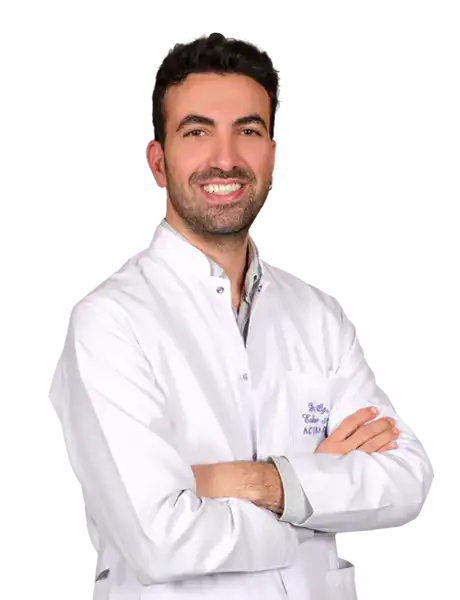 Asst. Prof. Erkan Acar, MD
Dementia, Alzheimer's, Parkinson's and Aging
Asst. Prof. Erkan Acar, MD
Dementia, Alzheimer's, Parkinson's and Aging
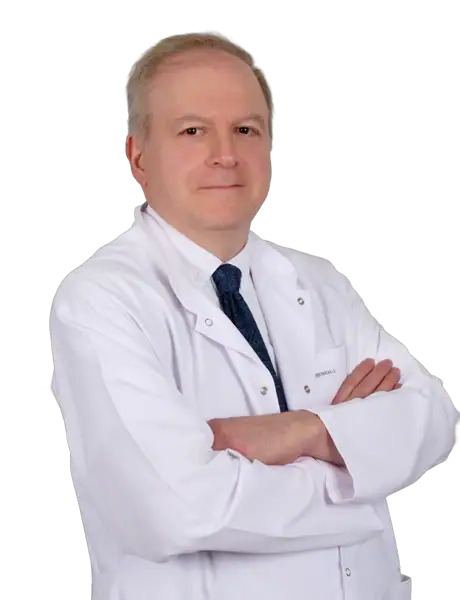 Prof. İlgin Özden, MD
General Surgery
Prof. İlgin Özden, MD
General Surgery
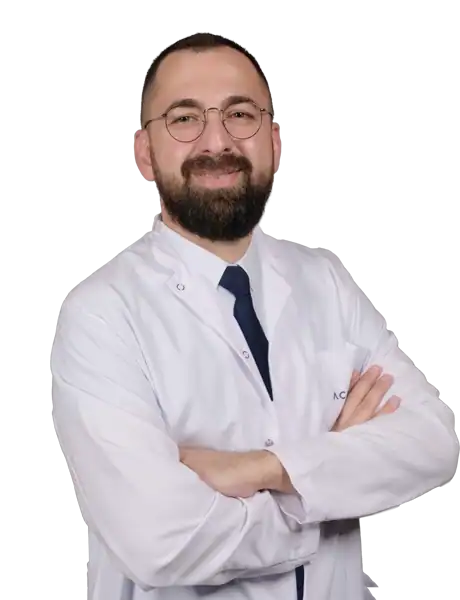 Mert Pehlivan Altın, MD
Cardiology
Mert Pehlivan Altın, MD
Cardiology
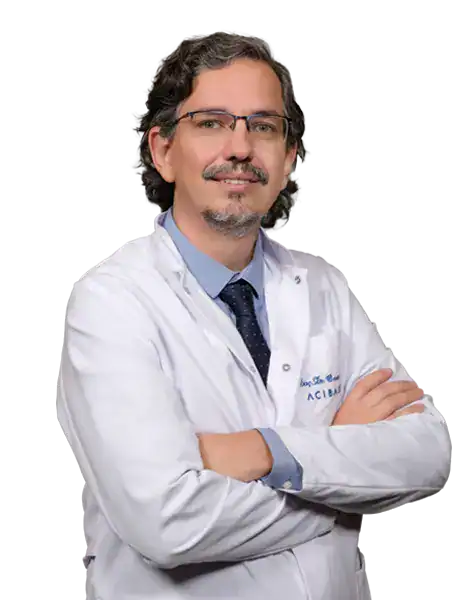 Assoc. Prof. Onur Tunalı, MD
Hip and Knee Replacement Surgery
Assoc. Prof. Onur Tunalı, MD
Hip and Knee Replacement Surgery
 Rüçhan Mutlu, MD
Emergency Service
Rüçhan Mutlu, MD
Emergency Service
 Assoc. Prof. Selçuk Keskin, MD
Diagnosis and Treatment of Prostate Diseases
Assoc. Prof. Selçuk Keskin, MD
Diagnosis and Treatment of Prostate Diseases
 Yeliz Başar, MD
Radiology
Yeliz Başar, MD
Radiology
 Assoc. Prof. Erdem Güven, MD
Aesthetic Plastic & Reconstructive Surgery
Assoc. Prof. Erdem Güven, MD
Aesthetic Plastic & Reconstructive Surgery
 Prof. Ahmet Alanay, MD
Orthopedic Surgery & Traumatology
Prof. Ahmet Alanay, MD
Orthopedic Surgery & Traumatology
Technology available here
39 in total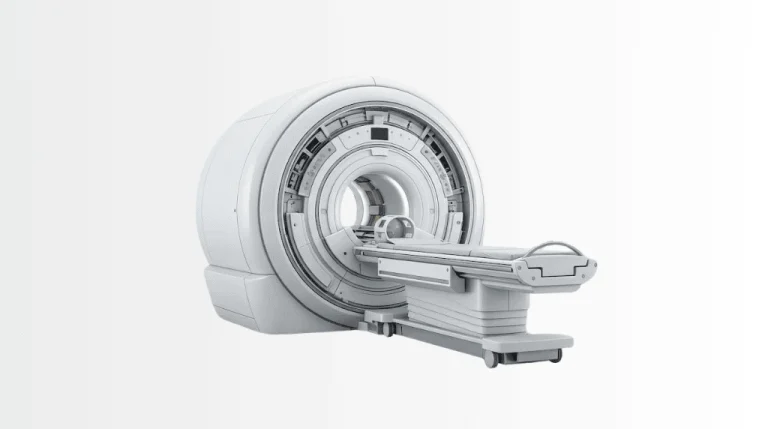 3 Tesla MR
3 min read
3 Tesla MR
3 min read
 3 Tesla Prism MR
9 min read
3 Tesla Prism MR
9 min read
 3D Imaging and Navigation System for Prostate Biopsy
9 min read
3D Imaging and Navigation System for Prostate Biopsy
9 min read
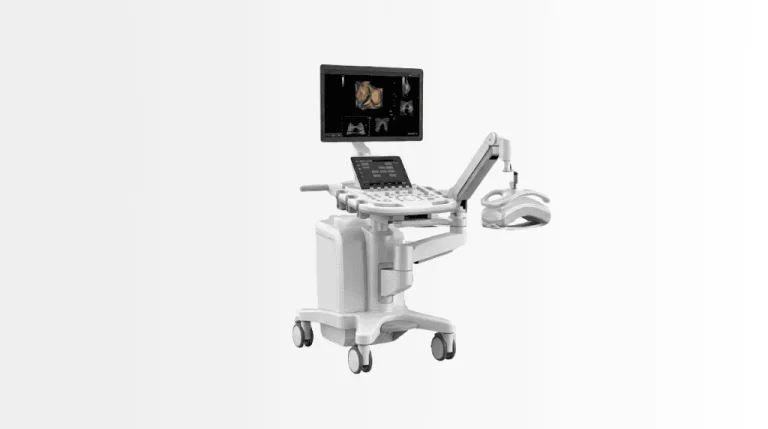 4D Breast Ultrasonography
9 min read
4D Breast Ultrasonography
9 min read
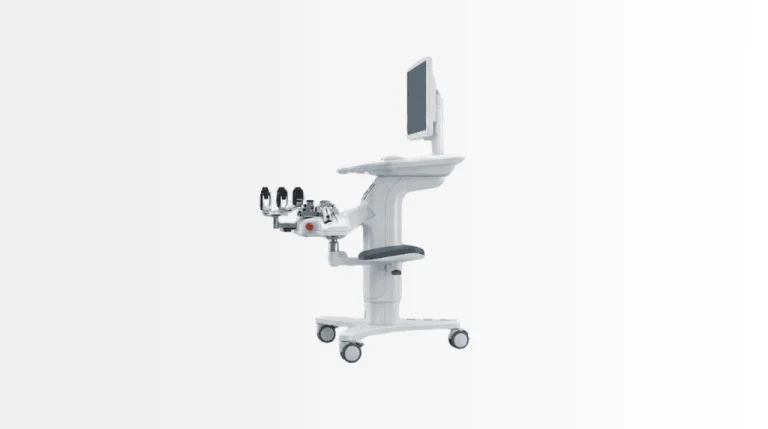 Amadeo
9 min read
Amadeo
9 min read
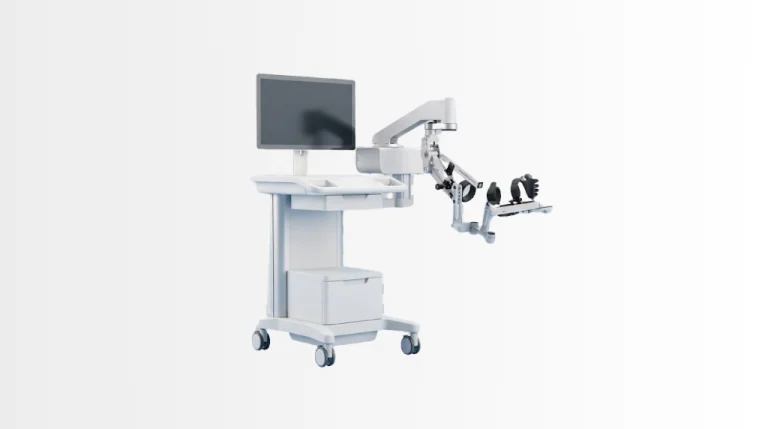 ArmeoSpring
9 min read
ArmeoSpring
9 min read
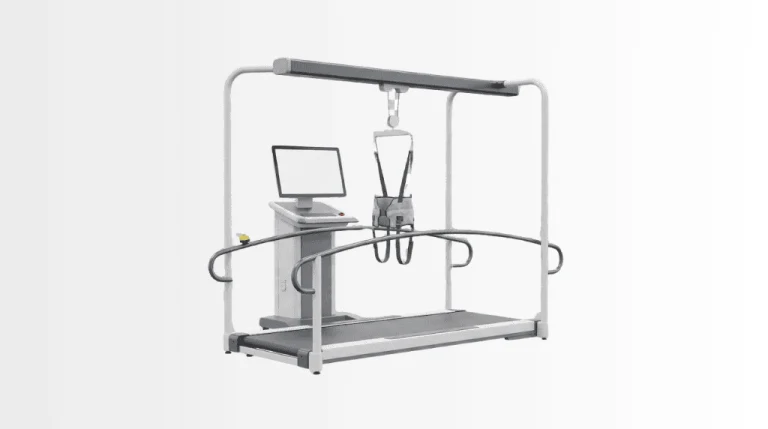 C-Mill
8 min read
C-Mill
8 min read
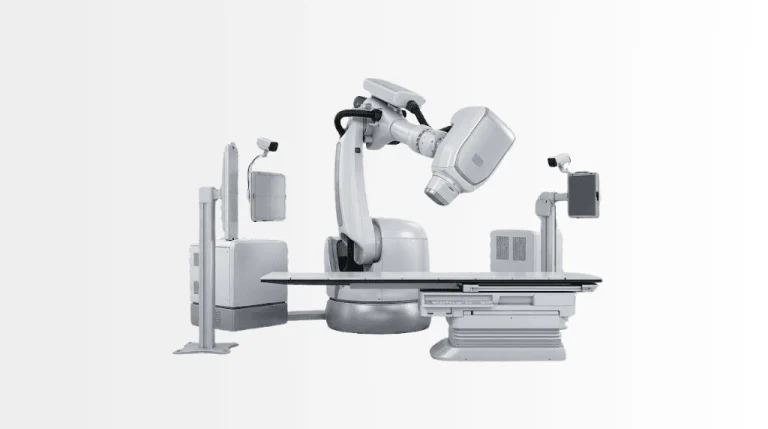 CyberKnife
4 min read
CyberKnife
4 min read
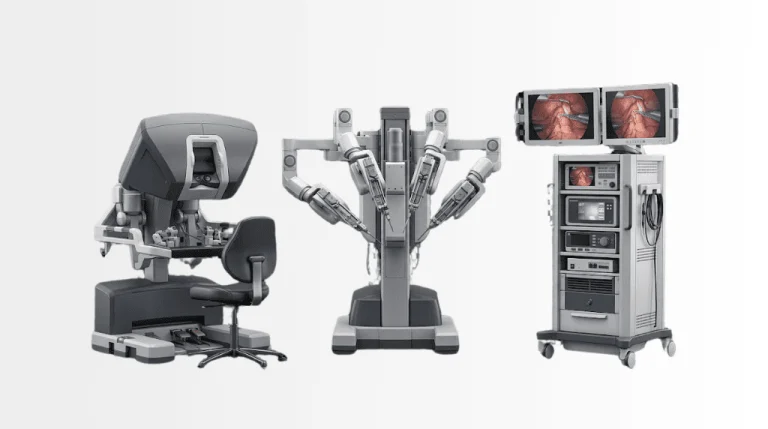 Da Vinci Robotic Surgery
9 min read
Da Vinci Robotic Surgery
9 min read
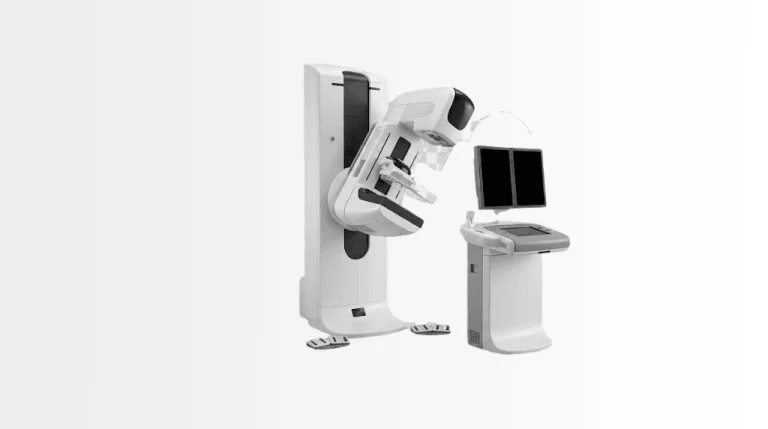 Digital Mammography with 3D Tomosynthesis
3 min read
Digital Mammography with 3D Tomosynthesis
3 min read
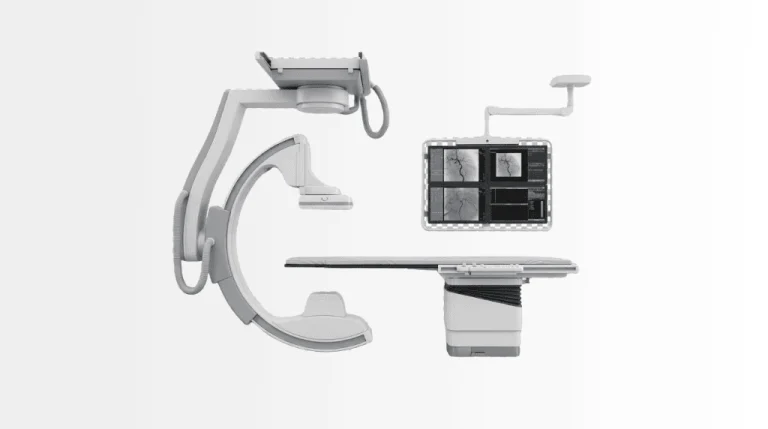 DSA Digital Angiography
3 min read
DSA Digital Angiography
3 min read
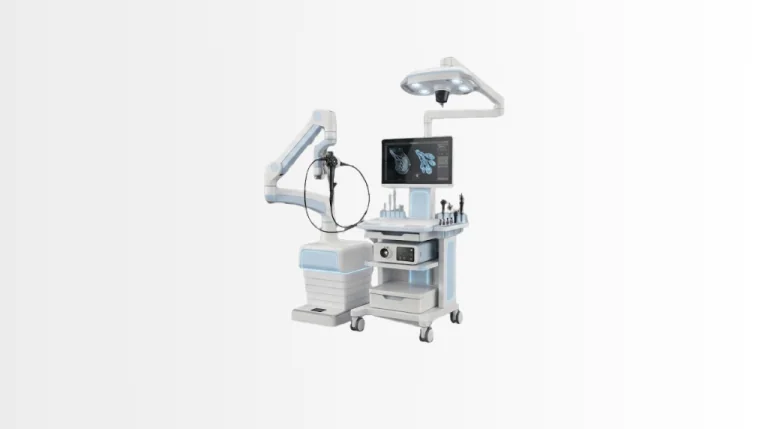 Ductoscopy
10 min read
Ductoscopy
10 min read
Specialties at this hospital
Every specialty with a full team on site — open one to meet the doctors.
- Robotic Surgery 28
- Orthopedic Surgery & Traumatology 21
- Gynecology & Obstetrics 18
- Anesthesiology 17
- Radiology 16
- Pediatrics 16
- Urinary Incontinence and Bladder Health 12
- Treatment of Hemorrhoids and Anorectal Diseases 11
- Menopoz 11
- Neurosurgery 11
- General Surgery 11
- Emergency Service 11
- Hip and Knee Replacement Surgery 10
- Otorhinolaryngology 10
- Oral & Dental Health 9
- Vitro Fertilization and Reproductive Medicine Center 8
- Ürojinekoloji 8
- Nutrition & Diet 8
- Ophthalmology 8
- Digestive System Diseases and Surgery 7
- Vascular Surgery 7
- Head and Neck Surgery 7
- Pathology 7
- Spine Health 6
- Foot and Ankle Surgery 6
- Physical Medicine & Rehabilitation 6
- Dermatology 6
- Cardiovascular Surgery 6
- Varicose Vein Treatment 6
- Urology 6
Frequently asked questions
How do international patients start treatment at Acibadem Maslak Hospital?
With records, not flights: reports and imaging are reviewed remotely, a provisional plan and written cost estimate follow, and travel is booked only once the plan justifies it — the international office coordinates every step from first contact.
Which languages are supported?
English, Arabic, Russian, German and French interpreter support is routine, with other languages arranged on request; interpretation covers consultations, consent conversations and discharge teaching, not just the front desk.
Is Acibadem Maslak Hospital internationally accredited?
Yes — the hospital is JCI-accredited, one of seven Acıbadem hospitals holding the accreditation, and the campus additionally carries LEED Gold certification for the building itself.
How big is the hospital?
106,000 m² of enclosed space with 231 beds, 20 operating theatres and 51 intensive-care beds — the group’s largest Istanbul campus, opened in 2009 and expanded since.
Can I get a treatment plan and cost estimate before travelling?
Yes — a written plan and fee estimate based on your records is standard before travel; it is refined after examination here, and the refinement is explained rather than sprung.
How do I send my medical reports and imaging?
Through the international office’s secure channels — original-language reports are accepted and translated, and actual scan files (not only written reports) are genuinely useful, as the radiology guide explains.
Do you repeat all tests done in my country?
No — existing imaging and laboratory work is integrated wherever quality allows, and repeats are ordered for a stated reason (age of the study, technical quality, a question it cannot answer), not by default.
Which cancers are treated here?
The full range, through one system: subspecialist pathology, PET-CT staging, a multidisciplinary tumour board, chemotherapy and immunotherapy on a 75-chair floor, the radiotherapy machine park including MR-Linac and SBRT, and cancer surgery across the organ specialties.
We’re with you at every step
How can we help you today?
Talk to a Specialist
Send your diagnosis and reports — a senior specialist reviews them and replies.
Send my reports
Online Doctor Consultation
Meet an Acıbadem specialist by secure video, before you travel.
Book a video visit