
Teaching hospital of Acıbadem Mehmet Ali Aydınlar University since 2 January 2014, holding JCI Academic Medical Center Hospital accreditation.
Hospitals in Türkiye
Acibadem Atakent Hospital
Acibadem's JCI-accredited university hospital: congenital and paediatric heart surgery, children's medicine, geriatric internal medicine and 87 ICU beds.
- 160 doctors on staff
- JCI accredited hospital
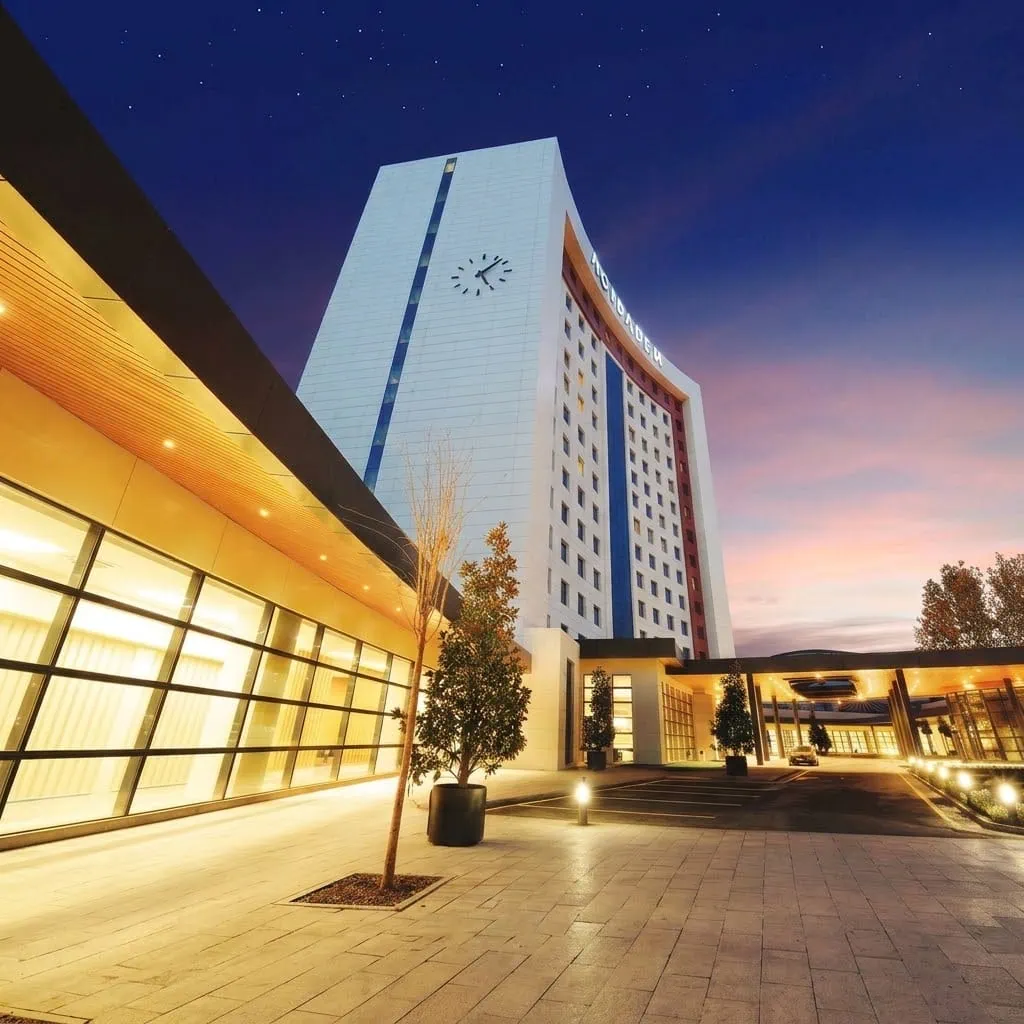
Acibadem Atakent Hospital is the group’s university hospital: opened on 2 January 2014 as the teaching hospital of Acıbadem Mehmet Ali Aydınlar University and JCI-accredited since 2017, a campus of 60,000 m² on Istanbul’s European side with 262 beds, 12 operating theatres and — its most telling number — 87 intensive-care beds, one of the highest critical-care ratios in the group. That ratio is the campus’s character in a single figure: Atakent is built for the patients who need the most watching — congenital heart surgery in children, complex paediatrics, the frail elderly — with an academic staff whose day job includes teaching the next generation of physicians. This guide covers what that means for you, with the live numbers, rooms and visiting rules in their own dedicated sections of this page.
What this building is organised around
A university hospital differs from a private clinic in ways that matter to patients more than to brochures: the professors on its floors carry academic appointments, cases are discussed in teaching rounds where questioning is the culture, and the intensive-care depth — 87 beds against 262 total — exists because the hardest cases congregate where the academic staff are. Atakent’s floor plan encodes exactly that: children’s medicine and congenital heart surgery beside adult cardiac care, geriatric and internal medicine for the multi-condition elderly, a radiation oncology floor, and the rheumatology, endocrinology, infection and mental-health depth that complex patients need around their main problem. It is the campus this platform’s unit guides name most often after Maslak and Altunizade — and for children’s hearts and the frail elderly, name first.
JCI accreditation — and the university layer above it
Acibadem Atakent Hospital has held Joint Commission International accreditation since 2017 — audited care processes, surgical checklists, medication safety, infection control, credentialing, re-examined in cycles — one of five JCI-accredited Acıbadem hospitals in Türkiye, with the group’s ISO-accredited laboratories behind it. The university layer adds a second discipline: teaching hospitals live under academic scrutiny, publish, and question themselves in rounds as a working method. Neither layer makes any hospital infallible; together they make this one unusually inspectable — which is what a stranger from another country can actually rely on.
Congenital and paediatric heart surgery
The cardiovascular surgery unit’s congenital heart surgery lead practises at Atakent — the field its guide describes with appropriate seriousness: correcting hearts that formed differently, from newborn duct-dependent circulations to the adult congenital patients who grew up with repaired hearts. It is among the most travel-justified fields in the group, because congenital heart surgery concentrates worldwide in a small number of centres, and the campus around it is built to match: paediatric intensive care within the 87-bed critical-care floor, paediatrics’ Atakent professors including paediatric cardiology, and anaesthesiology’s paediatric expertise the anaesthesia guide describes. Adult bypass, valve and aortic surgery run alongside, with cardiology’s catheter laboratory covering the non-surgical half of the heart-team conversation.
Children’s medicine as a system
Atakent is one of the group’s strongest campuses for a sick child: the paediatrics unit’s professors across neonatology, paediatric intensive care, cardiology and haematology-oncology; paediatric surgery’s Atakent leads for the operations that are never scaled-down adult procedures; newborn intensive care behind the obstetric floor; and the university habit of treating a child’s case as a whole-team question. The two children’s guides on this platform were written with this campus’s staff among their leads, and their honesty applies here: including the signature paediatric-surgery judgement that sometimes the right decision is not to operate.
Geriatrics and the multi-condition patient
The internal medicine unit’s geriatrics lead practises at Atakent, and that guide’s most valuable sections were written from this work: the patient with five conditions and nine medicines, the deprescribing review that is often the single most therapeutic act in an older adult’s care, frailty as reduced reserve rather than age, and delirium recognised for the emergency it is. Around it sit rheumatology’s Atakent-based team for inflammatory disease in every decade, endocrinology’s Atakent professor, nephrology, infectious diseases and psychiatry’s Atakent lead — including the old-age psychiatry its guide describes, where depression, dementia and medication effects are untangled rather than assumed. For families bringing an elderly parent from abroad, this combination is the honest reason to choose this campus.
Cancer care and the radiation floor
Atakent carries a full cancer system: medical oncology under the group’s tumour-board method, a radiation oncology floor whose Atakent lead professor brings the paediatric radiotherapy experience that children’s cancer care needs, nuclear medicine for staging, pathology’s Atakent professors reading the diagnoses, and clinical nutrition’s Atakent-led team — the unit guide written by dietitians, not marketers — supporting treatment. The radiation guide’s honest schedule arithmetic applies: courses are measured in weeks, and the plan states the trip’s length before anything is booked.
The rest of the medical layer
Pulmonology’s Atakent professors, thoracic surgery access for the chest cases that need operating, medical genetics presence for the syndromic questions a university children’s service inevitably meets, full gynaecology and obstetrics, and radiology’s imaging backbone with the remote second-opinion standard its guide describes. The pattern across all of it is the university pattern: subspecialists who teach, and a low threshold for putting a hard case in front of the whole room.
Technology, honestly framed
Atakent’s technology story is depth where it counts rather than headline machines: the 87-bed intensive-care floor with its monitoring and support systems, paediatric-capable theatres and anaesthesia, a full radiation oncology installation, PET-capable staging through nuclear medicine, and modern imaging throughout. The platform’s standing rule applies unchanged: the plan chooses the technology — and when your plan genuinely needs a machine that lives elsewhere in the group (Maslak’s MR-Linac, Altunizade’s Gamma Knife), the coordinators route you there and say why. What this campus uniquely offers is not a machine but a ratio: more critical-care beds per patient than almost anywhere else in the group.
The international patient service, step by step
The group’s fixed process runs here with Atakent’s team, and two of its steps carry extra weight on this campus. First contact and remote review work as everywhere: records through secure channels, a written provisional plan, a genuine cost estimate, and an honest answer on whether travel is justified. For congenital heart cases the remote review is where paediatric cardiology and surgery examine the echo and imaging together — families are told plainly what the operation would involve, what the stay looks like, and what it cannot promise, before any flight. For elderly patients, the review often ends with the geriatric version of honesty: which problems a visit can genuinely improve, and which are better managed where the patient lives. During care: named coordinator, interpreters through every consultation and consent (English, Arabic, Russian, German and French routinely; others arranged), a parent or companion integrated into a child’s care rather than tolerated. Departure: written summary, imaging and data, and a follow-up plan addressed to the clinician at home — for congenital hearts, a lifelong document.
The standing honesty notes apply: estimates become exact after examination — transparency, not a to-the-lira quote; payment, insurer and guarantee-letter questions are settled in writing before travel.
Getting here, staying nearby
Atakent sits in the Halkalı–Atakent district on Istanbul’s European side, closest of the group’s flagships to Istanbul Airport — a practical advantage for families arriving with a sick child or an elderly parent, since the transfer is short and arranged as standard by the international office. The neighbourhood offers hotels and serviced apartments in every class, with the everyday city — pharmacies, markets, restaurants — around the campus; longer stays for a child’s treatment are planned with accommodation guidance from the start. When a plan spans campuses, inter-hospital transport is coordinated rather than left to you.
How to decide whether Atakent is your hospital
Choose Atakent when your case matches what this campus concentrates: a child needing heart surgery or complex medical care, an elderly parent with several conditions who needs the whole picture held, a cancer plan that includes paediatric radiotherapy experience, or any situation where critical-care depth is the deciding factor. Choose elsewhere when the guides say so: the MR-Linac and the group’s densest adult cancer system at Maslak, Gamma Knife radiosurgery and the genetics centre at Altunizade, the metabolic surgery programme at Ataşehir and Altunizade — and the coordinators route you honestly. A records-based written opinion remains a complete outcome; for congenital hearts especially, families often receive exactly that before deciding anything.
JCI accredited hospital
International patient-safety standard, re-surveyed every three years
157 specialists · 39 medical units
All listed on this page, field by field
60,000 m²
Enclosed Area
262
Bed Capacity
12
Operating Rooms
87
Intensive Care Beds
Inside this facility
Surgical, medical and radiation oncology plan each case together; TrueBeam, VitalBeam and Radixact radiotherapy, PET-CT and SPECT-CT for staging.
Adult and pediatric organ transplant, obesity, IVF, cornea transplant, composite tissue transplant, therapeutic apheresis and a heart centre.
87 beds: general and internal medicine ICUs, a 27-bed neonatal unit, 15-bed pediatric, 12-bed cardiovascular surgery and 10-bed coronary units.
Holds the “Baby-Friendly Hospital” and “Newborn ICU-Friendly Hospital” titles; separate child and adult observation rooms in the emergency department.
Robotic surgery in gynecologic oncology, urology, general surgery and orthopedics; 1 IVF theatre, 3 endoscopy, 2 minor-surgery and 3 angiography suites.
3-Tesla and 1.5-Tesla MRI, low-dose CT, 3D tomosynthesis digital mammography, Doppler ultrasound, digital angiography and panoramic X-ray.
Triage, isolation, decontamination, resuscitation and trauma rooms with on-site imaging; Health Point supports international patients in 16 languages.
Patient rooms
- Electronic patient-controlled bed
- Spacious bathroom with seat
- Individually adjustable climate control
- Smart TV
- Digital assistant service
- Integrated nurse call system
- Scene lighting and room automation
- Personal safe
- Minibar
- Electronic patient-controlled bed
- Spacious bathroom with seat
- Individually adjustable climate control
- Smart TV
- Digital assistant service
- Integrated nurse call system
- Scene lighting and room automation
- Personal safe
- Minibar
- Electronic patient-controlled bed
- Spacious bathroom with seat
- Individually adjustable climate control
- Smart TV
- Digital assistant service
- Integrated nurse call system
- Scene lighting and room automation
- Personal safe
- Minibar
Visiting guide
- Companions
- One companion per patient; visitors staying in the room after 22:00 are registered as companions.
- Flowers
- Not allowed in patient rooms and floors, to avoid infection risk; flowers left at reception are handed over at discharge.
- Smoking
- Prohibited in all indoor areas of the hospital.
Facilities for patients and visitors
- Parking
- Cafeteria
- Prayer room
- Hairdresser
- ATM
Doctors at this hospital
160 in total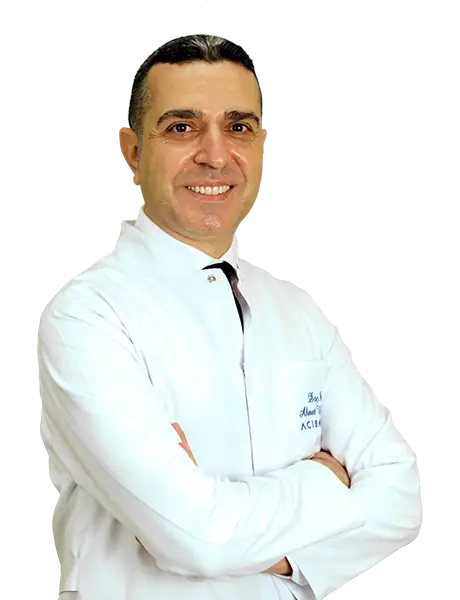 Assoc. Prof. Ahmet Yeşilyurt, MD
Medical Genetics
Assoc. Prof. Ahmet Yeşilyurt, MD
Medical Genetics
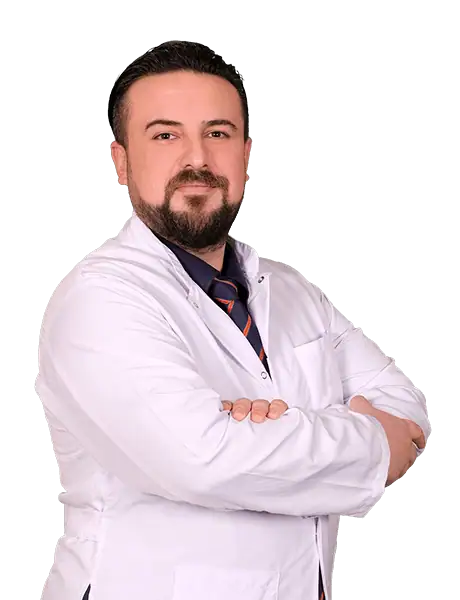 Assoc. Prof. Cem Gün, MD
Emergency Service
Assoc. Prof. Cem Gün, MD
Emergency Service
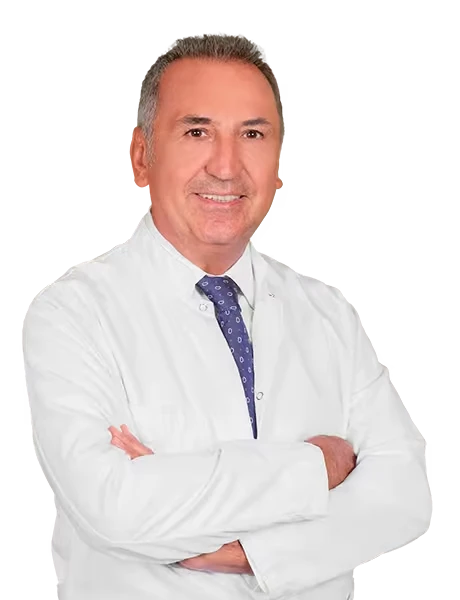 Prof. Cihan Uras, MD
Endocrine Surgery
Prof. Cihan Uras, MD
Endocrine Surgery
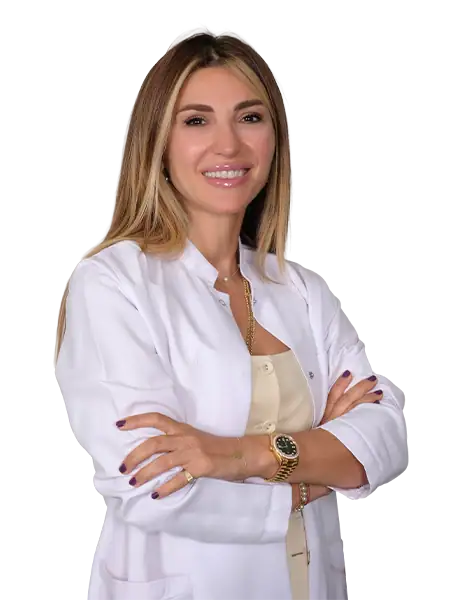 Assoc. Prof. Fatma Ölmez, MD
Gynecology & Obstetrics
Assoc. Prof. Fatma Ölmez, MD
Gynecology & Obstetrics
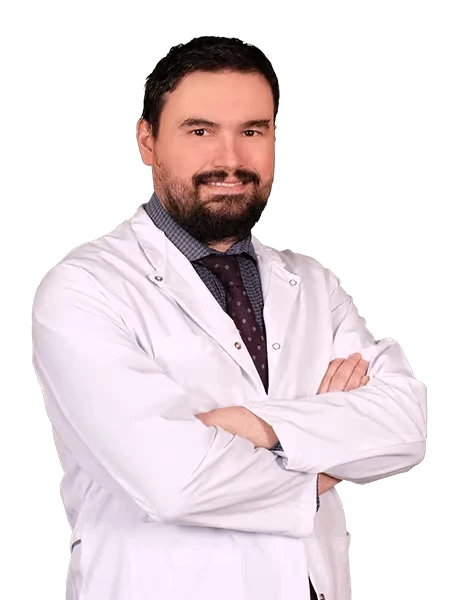 Assoc. Prof. Hasan Aldinç, MD
Emergency Service
Assoc. Prof. Hasan Aldinç, MD
Emergency Service
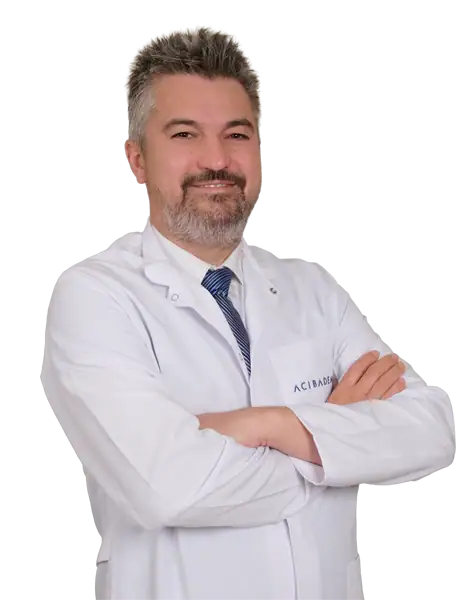 Hasan Oluk, MD
Family Medicine
Hasan Oluk, MD
Family Medicine
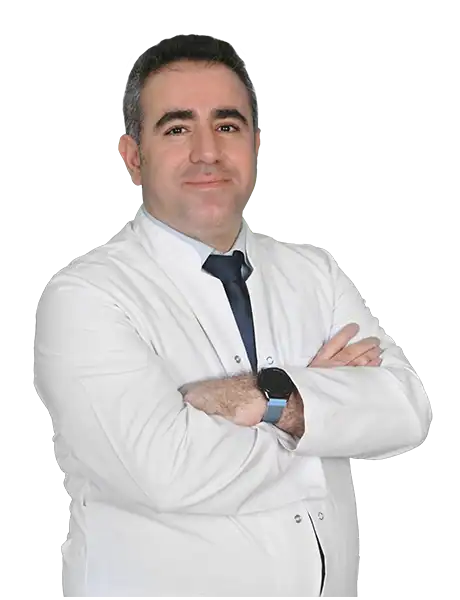 Assoc. Prof. İzzet Doğan, MD
Medical Oncology
Assoc. Prof. İzzet Doğan, MD
Medical Oncology
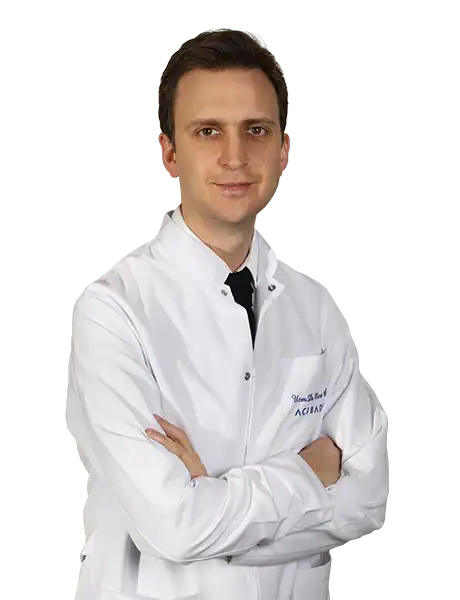 Asst. Prof. Mert Öztaş, MD
Rheumatology
Asst. Prof. Mert Öztaş, MD
Rheumatology
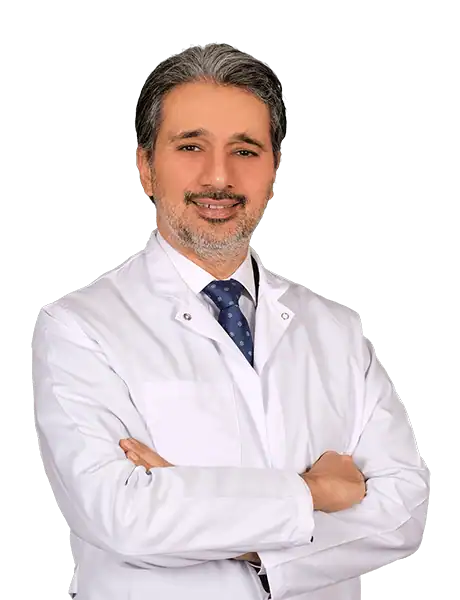 Prof. Metehan Özen, MD
Pediatric Infectious Diseases
Prof. Metehan Özen, MD
Pediatric Infectious Diseases
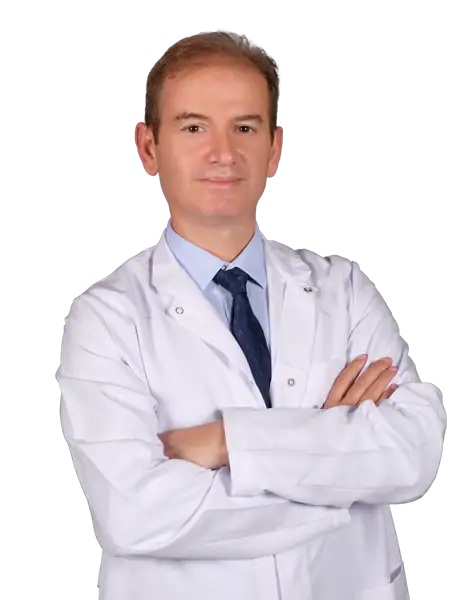 Prof. Ömer Bayır, MD
Head and Neck Surgery
Prof. Ömer Bayır, MD
Head and Neck Surgery
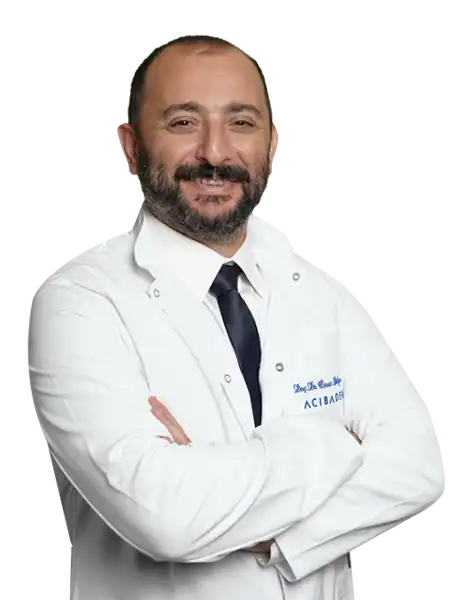 Assoc. Prof. Onur Dülgeroğlu, MD
Endocrine Surgery
Assoc. Prof. Onur Dülgeroğlu, MD
Endocrine Surgery
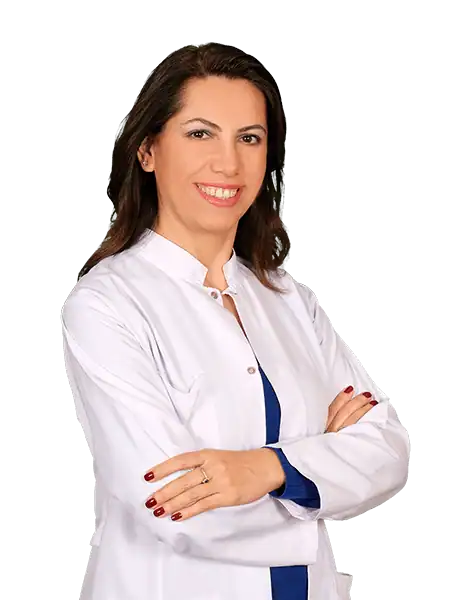 Prof. Özlem Çelik, MD
Endocrinology
Prof. Özlem Çelik, MD
Endocrinology
Technology available here
38 in total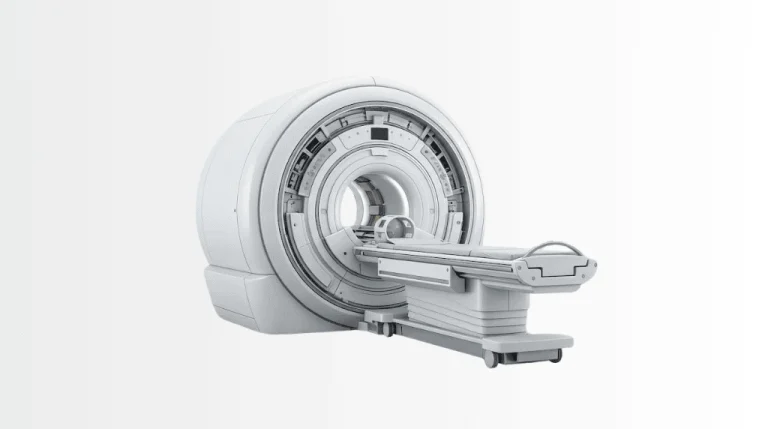 3 Tesla MR
3 min read
3 Tesla MR
3 min read
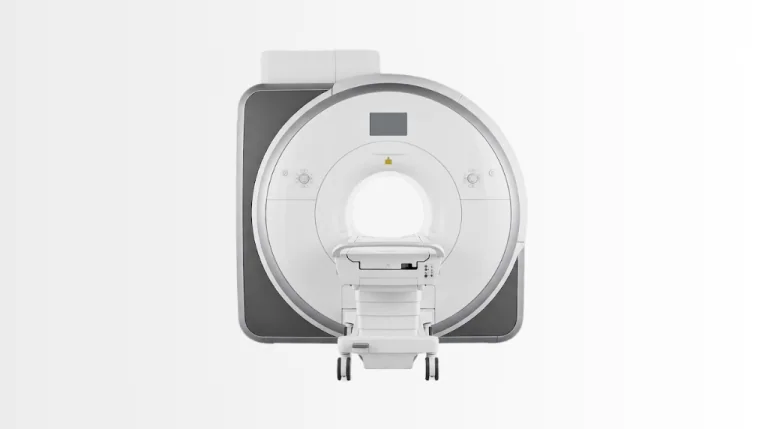 3 Tesla Prism MR
9 min read
3 Tesla Prism MR
9 min read
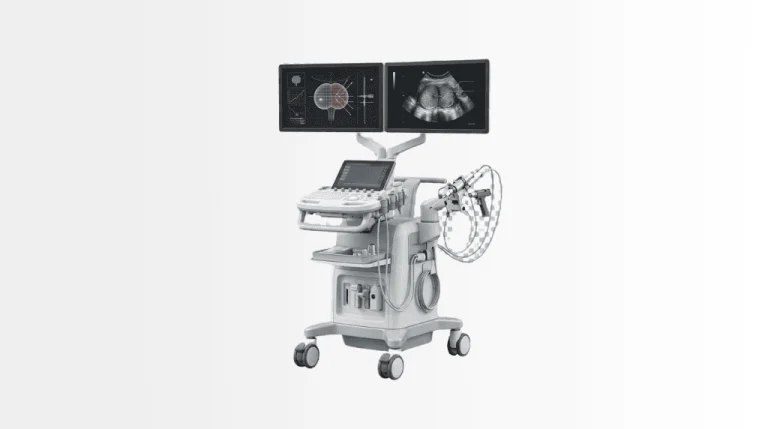 3D Imaging and Navigation System for Prostate Biopsy
9 min read
3D Imaging and Navigation System for Prostate Biopsy
9 min read
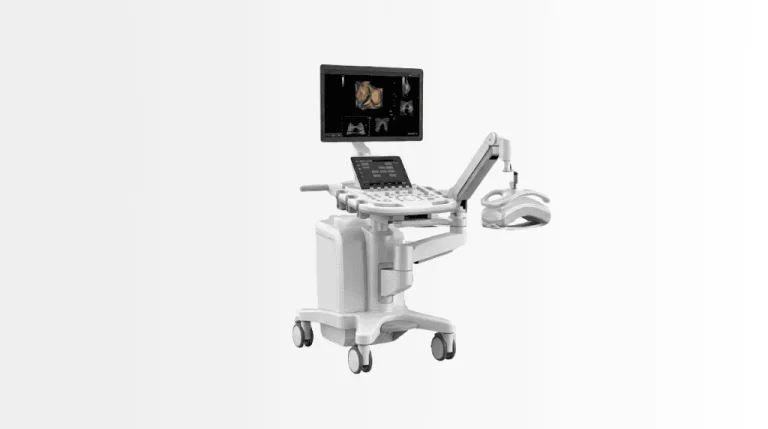 4D Breast Ultrasonography
9 min read
4D Breast Ultrasonography
9 min read
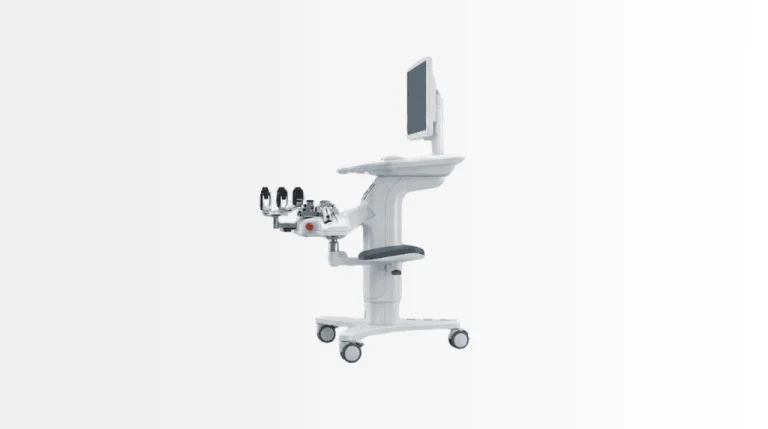 Amadeo
9 min read
Amadeo
9 min read
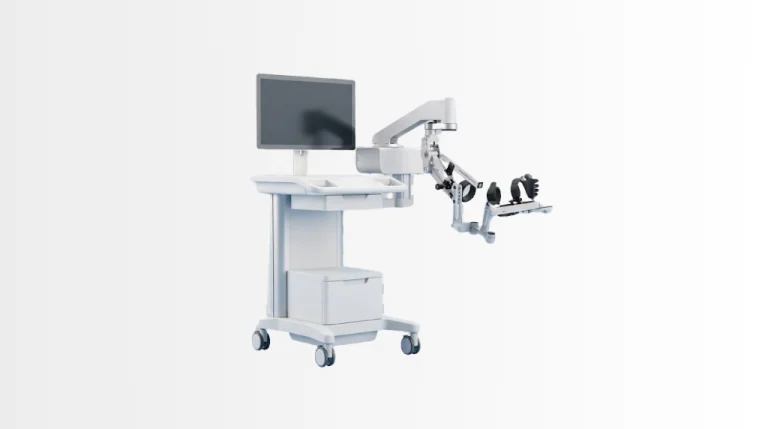 ArmeoSpring
9 min read
ArmeoSpring
9 min read
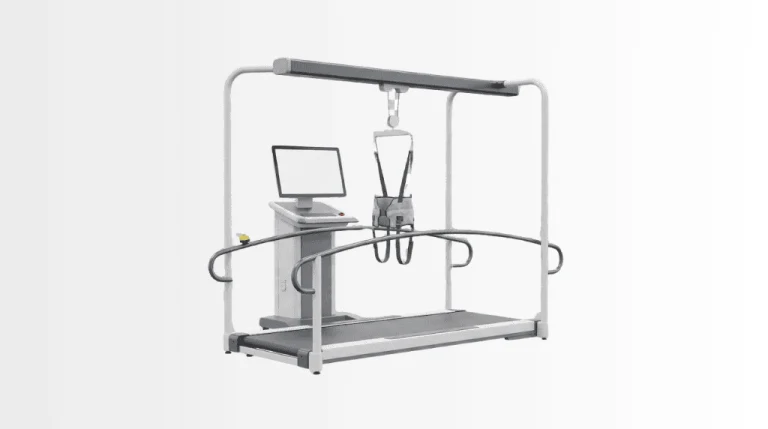 C-Mill
8 min read
C-Mill
8 min read
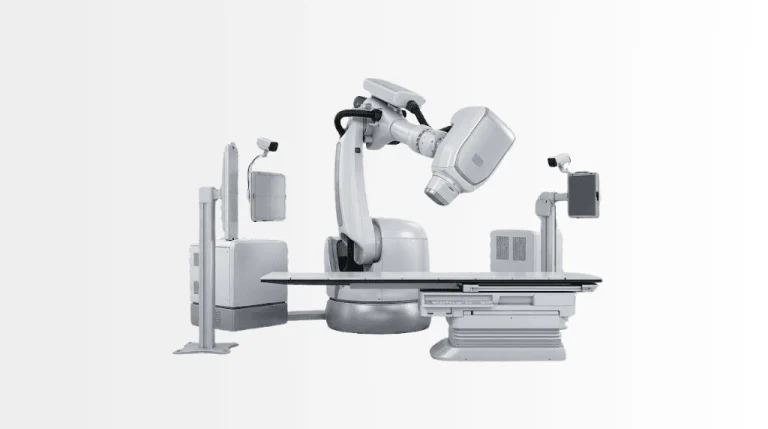 CyberKnife
4 min read
CyberKnife
4 min read
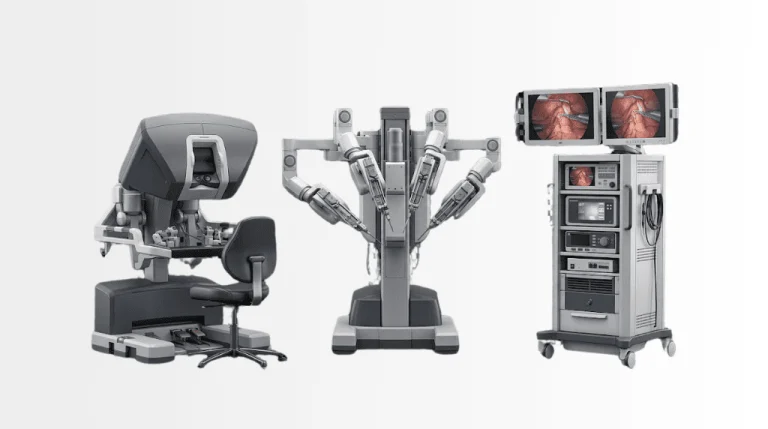 Da Vinci Robotic Surgery
9 min read
Da Vinci Robotic Surgery
9 min read
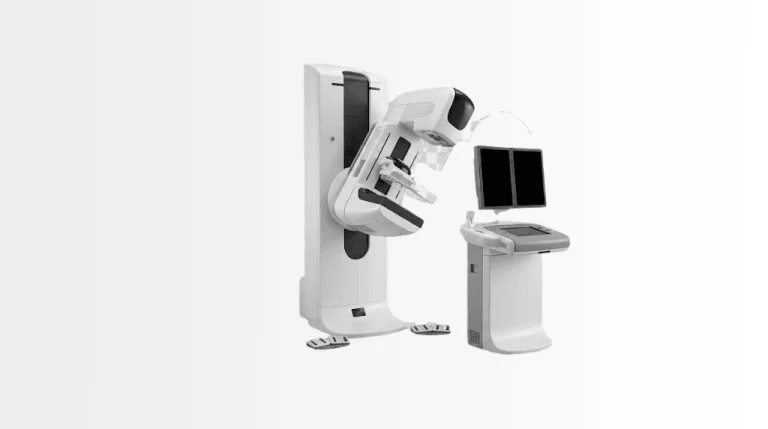 Digital Mammography with 3D Tomosynthesis
3 min read
Digital Mammography with 3D Tomosynthesis
3 min read
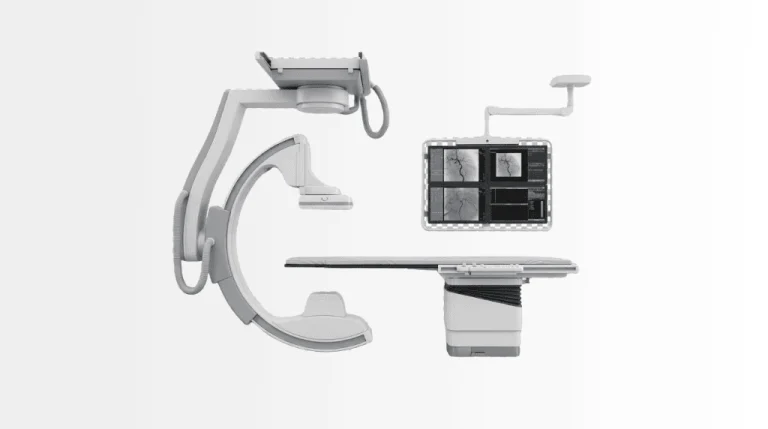 DSA Digital Angiography
3 min read
DSA Digital Angiography
3 min read
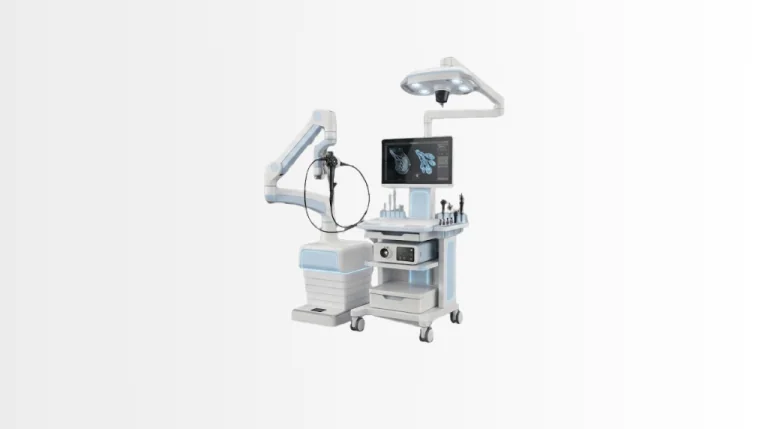 Ductoscopy
10 min read
Ductoscopy
10 min read
Specialties at this hospital
Every specialty with a full team on site — open one to meet the doctors.
- Robotic Surgery 13
- Pediatrics 12
- Gynecology & Obstetrics 11
- Radiology 9
- Menopoz 9
- Orthopedic Surgery & Traumatology 7
- Oral & Dental Health 7
- Emergency Service 7
- Cardiology 7
- Urinary Incontinence and Bladder Health 6
- Thyroid Diseases and Treatment 6
- Treatment of Hemorrhoids and Anorectal Diseases 6
- Endocrine Surgery 6
- Anesthesiology 6
- Hip and Knee Replacement Surgery 5
- Medical Oncology 5
- Interventional Radiology 5
- Ürojinekoloji 5
- Otorhinolaryngology 5
- Head and Neck Surgery 5
- Shoulder and Elbow Surgery 4
- General Surgery 4
- Digestive System Diseases and Surgery 4
- Pulmonary Medicine 4
- Internal Medicine 4
- Ophthalmology 4
- Radiation Oncology 4
- Pediatric Orthopedics 3
- Cosmetic Dermatology 3
- Interventional Neuroradiology 3
Frequently asked questions
How do international patients start treatment at Acibadem Atakent Hospital?
Records first: reports, imaging and — for heart children — the echo studies are reviewed remotely, a written plan and cost estimate follow, and travel is booked when the plan justifies it.
Which languages are supported?
English, Arabic, Russian, German and French interpreter support as routine, with other languages arranged — through consultations, consent conversations and discharge teaching.
Is Atakent JCI-accredited?
Yes — since 2017, one of five JCI-accredited Acıbadem hospitals in Türkiye, with the group’s ISO-accredited laboratories behind it.
What does “university hospital” mean here?
Atakent is the teaching hospital of Acıbadem Mehmet Ali Aydınlar University: professors with academic appointments, teaching rounds where hard cases are questioned by the whole room, and the culture of scrutiny that comes with training the next generation.
How big is the hospital?
60,000 m², 262 beds, 12 operating theatres — and 87 intensive-care beds, the ratio that defines the campus.
Why does the intensive-care number matter so much?
Because it is the honest measure of what a hospital can safely accept: complex children’s surgery, frail elderly patients and major operations all depend on critical-care depth, and 87 beds against 262 total is a statement of intent.
Can newborns and infants have heart surgery here?
Yes — the group’s congenital heart surgery lead practises at Atakent with paediatric cardiology, paediatric intensive care and paediatric anaesthesia around the operation, as the cardiovascular surgery guide describes.
Do adults with congenital heart disease come here too?
Yes — adults who grew up with repaired or unrepaired congenital hearts are part of the same programme, which is exactly where their care belongs.
We’re with you at every step
How can we help you today?
Talk to a Specialist
Send your diagnosis and reports — a senior specialist reviews them and replies.
Send my reports
Online Doctor Consultation
Meet an Acıbadem specialist by secure video, before you travel.
Book a video visit