
EBUS
EBUS bronchoscopy samples lymph nodes and lesions through the airway wall under ultrasound guidance — staging lung disease without an operation.
- 8 sections
- 16 questions answered
- 18 hospitals
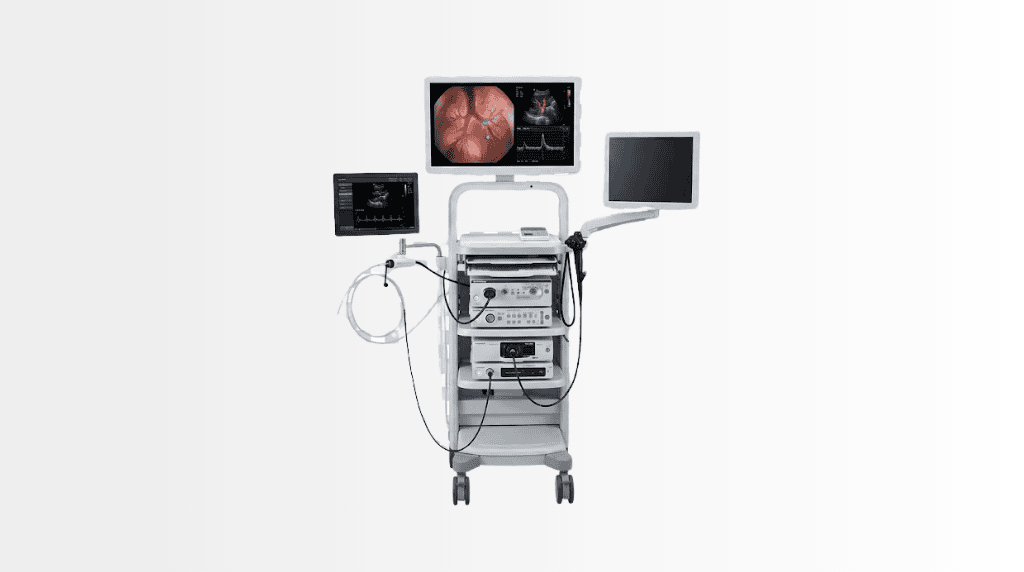
Endobronchial ultrasound (EBUS) is a minimally invasive bronchoscopic technology that uses ultrasound to assess lymph nodes and lesions near the airways and guide needle biopsies. At Acibadem in Turkey, EBUS is performed by respiratory specialists to support the diagnosis and staging of lung and chest conditions, often reducing the need for surgical diagnostic procedures.
What is EBUS bronchoscopy?
A standard bronchoscope sees the inside of the airways; EBUS sees through them. The ultrasound tip images the mediastinum — the central compartment holding lymph nodes, vessels and the oesophagus — and hilar regions from millimetres away. Under continuous ultrasound vision, transbronchial needle aspiration (EBUS-TBNA) passes a fine needle through the airway wall into the chosen node or mass, with Doppler confirming vessels are avoided. Multiple stations can be sampled systematically in one session — exactly what honest lung-cancer staging demands.
What EBUS is used for
Four core jobs: staging lung cancer — determining whether mediastinal nodes carry disease, the fact that steers surgery-versus-oncology decisions, done systematically and with high accuracy; diagnosing the cause of enlarged mediastinal nodes — sarcoidosis, tuberculosis, lymphoma and metastases each declare themselves under the needle; reaching central masses adjacent to airways that transthoracic needles cannot safely approach; and re-staging after treatment. Samples support not just diagnosis but molecular testing — the mutation profile modern lung oncology treats to — which the procedure’s yield is planned around.
The procedure: what to expect
EBUS is performed under sedation or, in selected cases, general anaesthesia, after a fasting period. The scope passes through the mouth; the examination typically takes thirty to sixty minutes. Rapid on-site evaluation, where used, lets the team confirm sample adequacy before finishing. Afterwards: an hour or two of monitored recovery, a companion for the way home, and commonly a day of mild cough or throat irritation; a trace of blood-streaked sputum can be normal and settles. Pathology and molecular results follow over days and are read — at Acibadem — directly into the tumour board that acts on them.
EBUS vs mediastinoscopy and CT-guided biopsy
Mediastinoscopy — surgical exploration of the mediastinum under general anaesthesia — was the old standard and remains a fallback where EBUS answers are insufficient; EBUS reaches most relevant stations with comparable staging accuracy, no incision, and same-day discharge, which is why guidelines place it first. CT-guided needle biopsy serves peripheral lesions near the chest wall; central, airway-adjacent targets belong to EBUS. The methods are colleagues in one algorithm, and the multidisciplinary chest team assigns each case to the right one.
Honest risks
EBUS-TBNA is a low-complication procedure: sore throat and minor blood-streaking are common and brief; significant bleeding, infection or air leak (pneumothorax) are uncommon; sedation risks are screened and monitored by anaesthesia protocols. Blood thinners and heart-lung conditions shape the plan — mention them early.
EBUS at Acibadem
EBUS runs within the group’s pulmonology and thoracic surgery practice, with samples processed by the group’s ISO-accredited pathology — molecular panels included — and staging results read directly into the tumour boards that decide treatment. For international patients the records-first rule applies with force here: existing CT/PET imaging usually defines exactly which stations need sampling before you travel, so one visit produces the staging answer.
The staging map: what N-status actually decides
Lung cancer’s treatment fork turns on a letter: N, the lymph-node status. N0 — clean mediastinum — keeps curative surgery or SBRT on the table. N2 — disease in mediastinal nodes on the tumour’s side — reshapes the plan toward combined chemotherapy, radiotherapy, immunotherapy and, in selected cases, surgery within a multimodal sequence. Guessing that letter from scan appearance alone misleads in both directions: enlarged nodes are often merely reactive, and normal-sized nodes sometimes harbour disease — which is why guidelines demand tissue confirmation before major decisions, and why EBUS samples stations systematically (typically N3 first, then N2, then N1, so one pass answers the whole map without cross-contamination). For the patient, this hour under sedation is frequently the single most decision-dense hour of the diagnostic journey: everything the tumour board plans afterwards stands on it.
Beyond staging: EBUS in sarcoidosis, infection and lymphoma
Half of EBUS practice never involves lung cancer. Sarcoidosis — the great imitator that swells mediastinal nodes in young, healthy people — is confirmed elegantly by EBUS: needle samples showing granulomas spare patients surgical biopsy for a condition often managed with observation alone. Tuberculosis of the mediastinal nodes declares itself through culture and molecular testing on the same aspirates. Suspected lymphoma uses EBUS as triage — aspirates can strongly suggest it and steer the choice of which node to excise for the architecture-preserving biopsy definitive typing needs. And unexplained lymphadenopathy in patients with prior cancers answers the recurrence question directly. The common thread: a morning procedure, no incision, and an answer that used to cost an operation.
Where it is installed
18 in total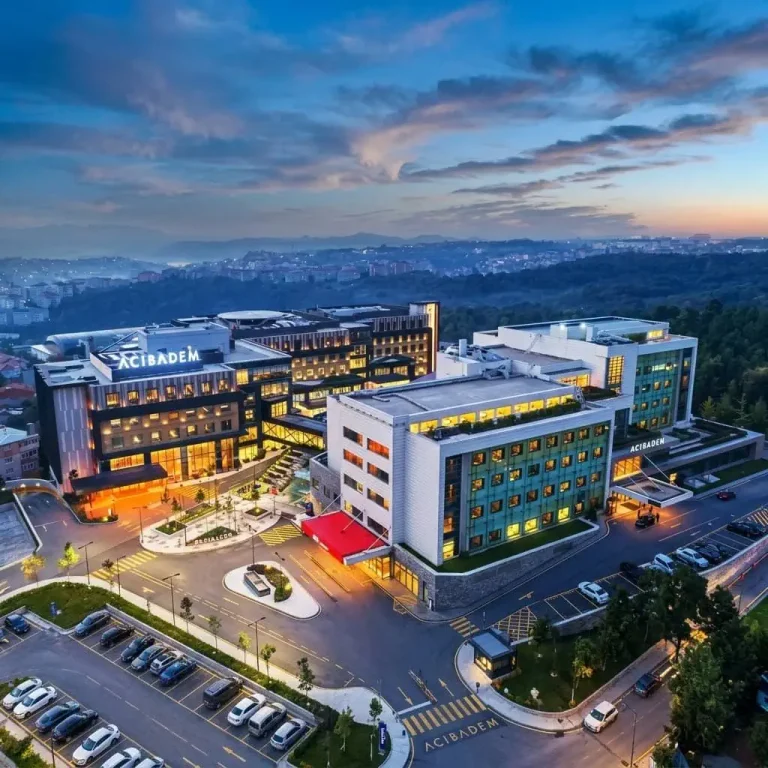 Acibadem Maslak Hospital
İstanbul · 282 doctors
Acibadem Maslak Hospital
İstanbul · 282 doctors
 Acibadem Altunizade Hospital
İstanbul · 301 doctors
Acibadem Altunizade Hospital
İstanbul · 301 doctors
 Acibadem Atasehir Hospital
İstanbul · 221 doctors
Acibadem Atasehir Hospital
İstanbul · 221 doctors
 Acibadem Atakent Hospital
İstanbul · 160 doctors
Acibadem Atakent Hospital
İstanbul · 160 doctors
 Acibadem Kent Hospital (Izmir)
İzmir · 164 doctors
Acibadem Kent Hospital (Izmir)
İzmir · 164 doctors
 Acibadem Taksim Hospital
İstanbul · 64 doctors
Acibadem Taksim Hospital
İstanbul · 64 doctors
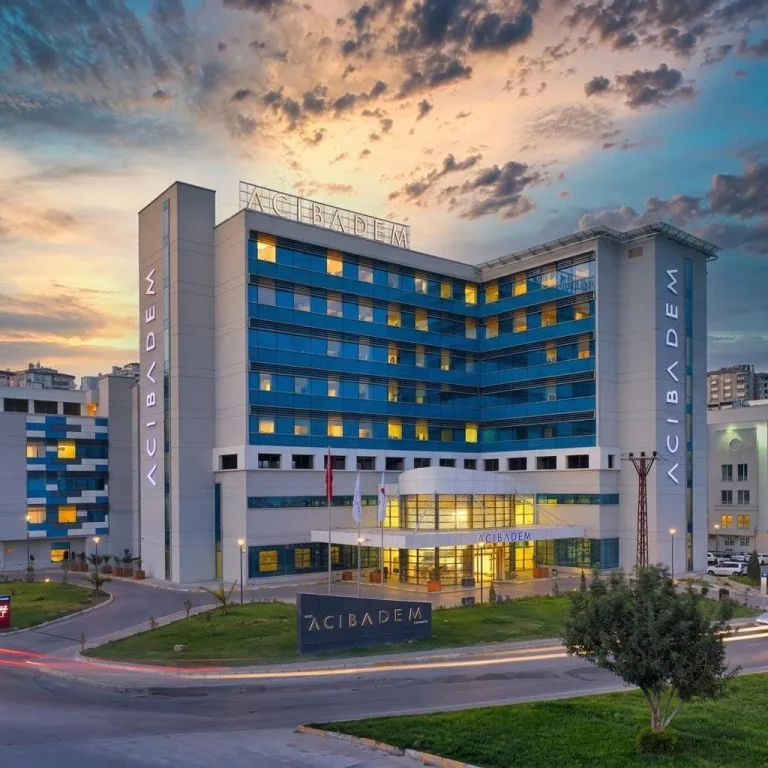 Acibadem Adana Hospital
Adana · 109 doctors
Acibadem Adana Hospital
Adana · 109 doctors
 Acibadem Ankara Hospital
Ankara · 74 doctors
Acibadem Ankara Hospital
Ankara · 74 doctors
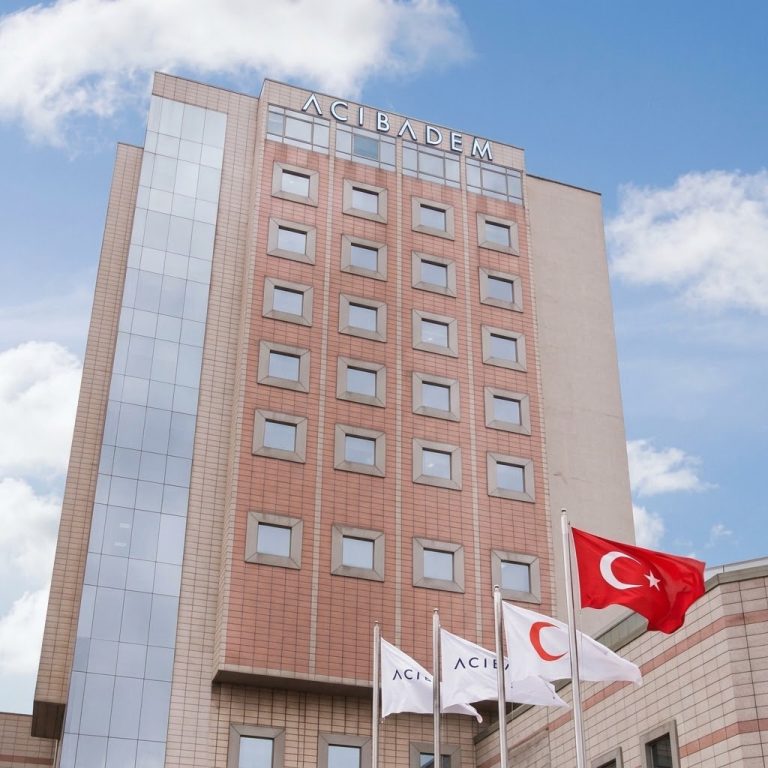 Acibadem Bakirkoy Hospital
İstanbul · 110 doctors
Acibadem Bakirkoy Hospital
İstanbul · 110 doctors
 Acibadem Bodrum Hospital
Muğla · 93 doctors
Acibadem Bodrum Hospital
Muğla · 93 doctors
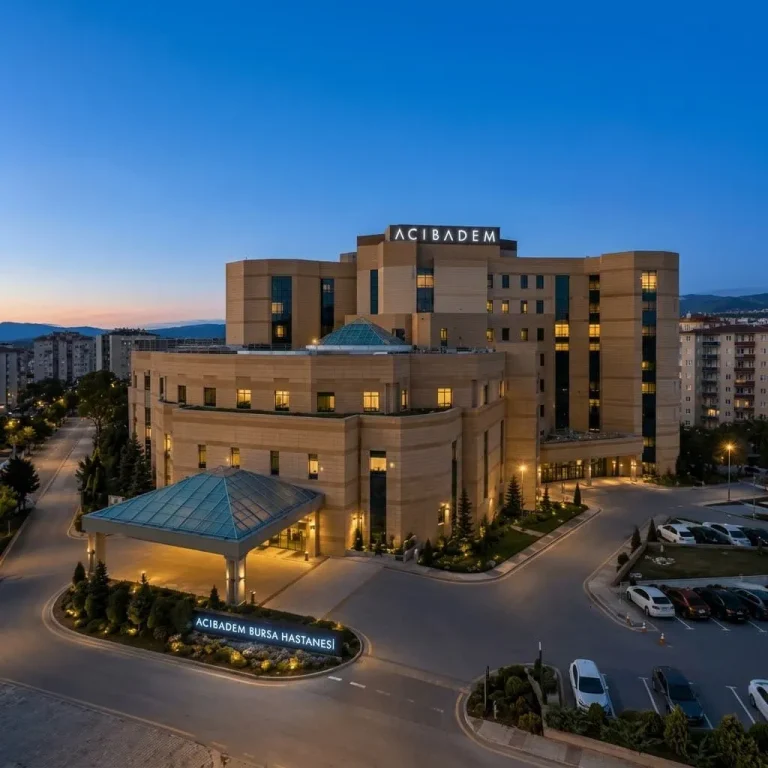 Acibadem Bursa Hospital
Bursa · 106 doctors
Acibadem Bursa Hospital
Bursa · 106 doctors
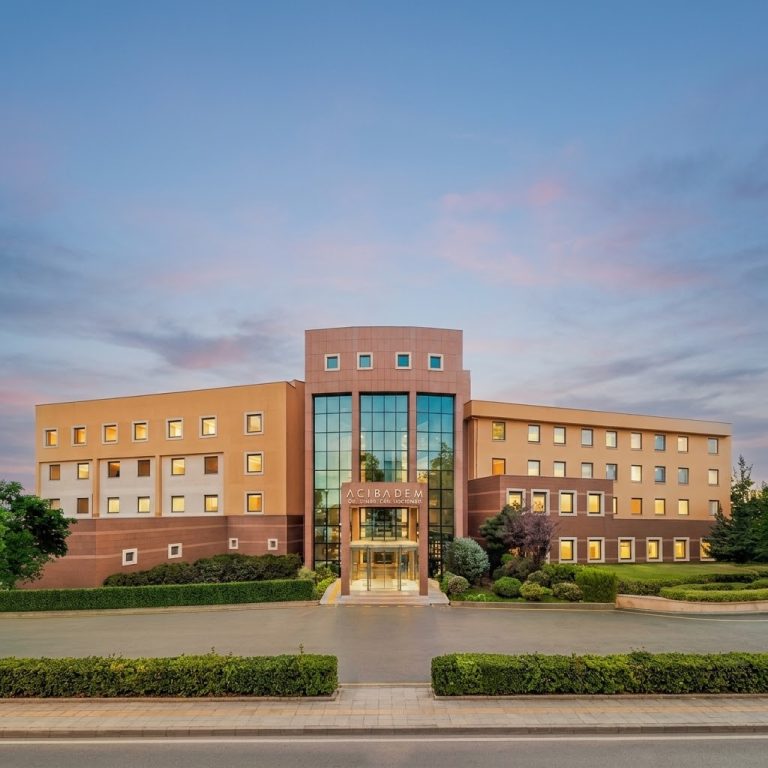 Acibadem Dr. Sinasi Can (Kadikoy) Hospital
İstanbul · 109 doctors
Acibadem Dr. Sinasi Can (Kadikoy) Hospital
İstanbul · 109 doctors
Frequently asked questions
What does N2 disease mean and why does it matter?
Cancer in mediastinal nodes on the tumour’s side — the finding that shifts plans from surgery-first toward combined multimodal treatment, and exactly what EBUS confirms or excludes with tissue.
Why are nodes sampled in a particular order?
Distant stations first, then nearer ones — so a single pass maps the whole mediastinum without a contaminated needle upgrading the stage falsely.
Can EBUS diagnose sarcoidosis without surgery?
Yes — granulomas in needle samples confirm it in the great majority of node-positive cases, sparing the surgical biopsy this young-patient disease once demanded.
Is EBUS bronchoscopy painful?
No — it is performed under sedation; the common after-effects are a sore throat and mild cough for a day.
How long does the procedure take?
Typically thirty to sixty minutes, plus an hour or two of monitored recovery while sedation wears off.
Am I asleep during EBUS?
Under sedation most patients sleep through it; selected cases use general anaesthesia — your team chooses with you.
Why is EBUS important in lung cancer?
Because mediastinal node status steers the whole plan — surgery versus oncology — and EBUS establishes it with tissue, systematically, without an operation.
Can EBUS diagnose sarcoidosis or tuberculosis?
Yes — enlarged mediastinal nodes from sarcoidosis, TB, lymphoma or metastasis are core EBUS territory, each declaring itself under the needle.
Is the sample enough for molecular testing?
Sampling is planned for it — modern lung oncology treats to mutation profiles, and EBUS yield supports the molecular panels alongside diagnosis.
What are the risks?
Low — brief throat irritation and minor blood-streaking commonly; significant bleeding, infection or air leak uncommonly; your personal risk profile is stated before consent.
How can we help you today?
Send your diagnosis and reports — a senior specialist reviews them and replies.
Send my reportsMeet an Acıbadem specialist by secure video, before you travel.
Book a video visit