
Robotic Surgery
Robotic surgery at Acibadem International: precise, minimally invasive procedures across urology, gynecology, oncology and more for international patients.
- 4 specialists
- 5 hospitals
- 14 treatments
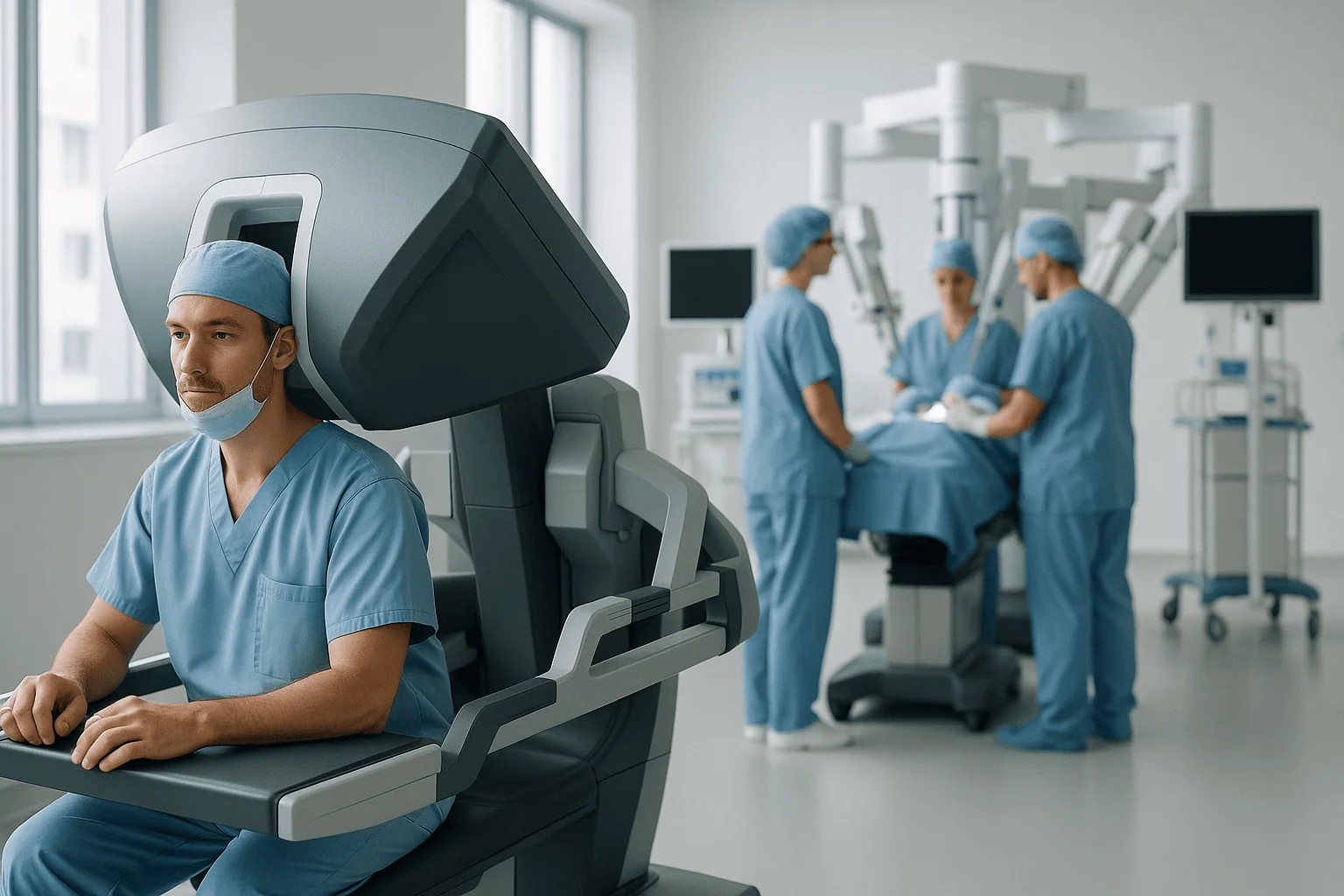
Robotic Surgery is a minimally invasive surgical unit that uses surgeon-controlled robotic systems to perform precise procedures through small incisions across specialties such as urology, gynecology, general surgery, and thoracic surgery. At Acibadem in Turkey, care includes patient evaluation, procedure planning, robot-assisted operation by specialized teams, and postoperative follow-up tailored to the condition being treated.
What robotic surgery is
Robotic surgery is an advanced form of minimally invasive surgery, used across many specialties. Its key features include:
- Surgeon-controlled precision — the surgeon controls the system at every moment.
- Tiny incisions — operating through small openings rather than large cuts.
- Enhanced vision and dexterity — a magnified, detailed view and fine, controlled movements.
- Use across specialties — including urology, general surgery and gynecology.
- A gentler recovery — often with less pain than open surgery.
The unit’s robotic capability supports specialties across the hospital group — including urology, general surgery and gynecology — wherever a robotic approach offers a genuine benefit.
Where robotic surgery is used
Robotic techniques are used across a range of procedures where their precision is valuable. Common applications include:
- Urological surgery — including prostate and kidney procedures.
- General and abdominal surgery — for selected procedures.
- Gynecological surgery.
- Selected cancer operations — where precision matters greatly.
- Other procedures — where a robotic approach benefits the patient.
Robotic surgery is particularly valuable in delicate or complex areas, where its precision can support careful operating and a gentler recovery. Whether it is the right approach for a particular patient is decided by the surgeon after assessment, as part of choosing the best overall treatment.
How the technology works
Understanding how robotic surgery works removes a common misconception: the robot does not operate by itself. An experienced surgeon sits at a console and controls the system throughout, and the technology translates the surgeon’s hand movements into extremely precise actions of the instruments inside the body. A high-definition, magnified view gives the surgeon detailed vision, and the instruments can move with a range and steadiness that enhance the surgeon’s natural dexterity, all through tiny incisions. In other words, robotic surgery combines the judgment and skill of an experienced surgeon with technology that enhances precision and control. This is why the surgeon’s expertise remains absolutely central, and why robotic surgery is best understood as a tool that extends the surgeon’s capabilities rather than replacing them.
The benefits of a robotic approach
Where it is appropriate, a robotic approach offers real benefits, which is why it has become established across several specialties. Operating through tiny incisions generally means less pain, a lower risk of wound problems and a quicker recovery than open surgery, and the enhanced precision and vision can support careful operating in delicate or complex areas. For patients, this can mean a shorter hospital stay and a faster return to normal life, which is particularly valuable for those travelling from abroad. The unit is clear, however, that robotic surgery is not automatically better for every situation — its benefits apply where it is the right approach, which is decided after careful assessment. Used appropriately, it allows complex operations to be performed with remarkable precision and a gentler recovery.
The surgeon remains central
The most important thing to understand about robotic surgery is that it depends entirely on the surgeon’s skill and judgment. The technology enhances what an experienced surgeon can do, but it is the surgeon who decides whether to operate, plans the procedure, and controls every movement. For this reason, the value of robotic surgery rests on the expertise of the surgeons using it, and the unit’s robotic capability is matched by experienced surgeons across the relevant specialties. This is why the decision to use a robotic approach — and the operation itself — is always in the hands of a skilled surgeon, with the technology serving their expertise. Patients can be reassured that they are cared for by an expert surgeon, supported by advanced technology, not by a machine acting alone.
Assessing whether robotic surgery is right for you
Robotic surgery is one approach among several, and an important part of good care is deciding honestly whether it is the right one for a particular patient. After assessing the condition, the surgeon considers whether a robotic approach offers a genuine benefit compared with other options — open surgery, conventional minimally invasive surgery, or non-surgical treatment. The decision is based on what is best for the patient, not on using technology for its own sake. The unit is honest about this, recommending a robotic approach where it genuinely helps and an alternative where that would be better. This careful, individualized decision-making ensures that patients receive the most appropriate treatment, with robotic surgery used where it truly adds value.
Technology and approach
Robotic surgery represents some of the most advanced surgical technology available, but the unit’s approach keeps it firmly in service of sound surgical judgment. Experienced surgeons use the technology where it offers a genuine benefit, operating with enhanced precision through tiny incisions, within accredited hospitals with full surgical support. The decision to use a robotic approach is made after careful assessment, as part of choosing the best overall treatment, and the least invasive approach that achieves the safest, best result is preferred. This combination of advanced capability and careful judgment is what underpins good outcomes.
Your team
Your care is led by an experienced surgeon trained in robotic techniques, in the relevant specialty for your condition, supported by an anesthesiologist and specialist surgical team. The surgeons who use robotic techniques are part of the relevant specialty units and are listed on the doctors page, and procedures are performed across Acıbadem’s accredited hospitals, which maintain international quality and safety standards.
The international patient journey
The unit is organized to make care clear and well supported for international patients considering a robotic procedure.
1. Remote review
You begin by sharing your history, diagnosis and any imaging. The relevant surgeon reviews them and advises on the best approach for your condition — which may or may not be robotic — and a second opinion is available before you decide.
2. A clear plan
You receive a plan explaining the recommended approach, why it is suggested, what the operation would involve, how long you would stay and what recovery to expect.
3. Coordinated surgery and care
A dedicated coordinator arranges your surgery, admission, interpreting and travel logistics. Your diagnosis is confirmed in person, and the operation is performed by an experienced surgeon.
4. Recovery and follow-up
You receive discharge documents, your results and a follow-up plan to continue at home, and the team remains reachable during recovery. To begin, request an online consultation.
Why patients choose Acıbadem for robotic surgery
Acıbadem International offers advanced robotic surgical technology in the hands of experienced surgeons, used across many specialties wherever it genuinely benefits the patient, with honest assessment of the best approach and well-coordinated international support — all within accredited hospitals. For patients travelling from abroad, the combination of advanced technology, surgical expertise and a gentler recovery is what sets the experience apart. The unit uses robotic surgery as a powerful tool in skilled hands, with the depth of a leading medical system behind it.
What to expect and practical notes
Whether robotic surgery is right for you depends on your condition and is decided by the surgeon after assessment, alongside other possible approaches. Where it is used, operating through tiny incisions often means less pain and a quicker recovery, which can be especially helpful for international patients, and your coordinator plans your stay around safe recovery and travel. The unit is honest that robotic surgery is not automatically better for every situation, and recommends it only where it genuinely helps. The aim throughout is the most appropriate treatment, performed by an expert surgeon supported by advanced technology.
Robotic surgery across specialties
Robotic surgery supports many areas of the hospital group, and treatment within a large group means the capability is available wherever it adds value. It is widely used in urology, particularly for prostate and kidney procedures; in general surgery for selected operations; in gynecology; and in weight-related surgery with bariatric surgery. This means that whatever the condition, if a robotic approach offers a genuine benefit, it can be provided by an experienced surgeon in the relevant specialty. For patients, this breadth of robotic capability across specialties, combined with surgical expertise, is a meaningful advantage of treatment within a leading hospital group.
Robotic surgery in urology and gynecology
Some of the areas where robotic surgery has had the greatest impact are urology and gynecology, where operating in confined spaces around delicate structures demands great precision. In urology, robotic techniques are widely used for prostate and kidney procedures, where the enhanced precision and control can support careful surgery in sensitive areas. In gynecology, robotic assistance is used for a range of procedures, allowing complex operations to be performed through small incisions. In both fields, the benefit is the ability to carry out demanding surgery precisely while disturbing the body as little as possible, which can support a gentler recovery. Whether a robotic approach is right for a particular patient is always decided after assessment, as part of choosing the best overall treatment, rather than because the technology is available.
The patient experience and recovery
For patients, one of the most valued aspects of robotic surgery is what it can mean for recovery. Because procedures are carried out through small incisions, many patients experience less pain, a lower risk of wound problems, a shorter hospital stay and a quicker return to normal life than after traditional open surgery — though this depends on the procedure and the individual. For international patients, a smoother recovery can also make the practical side of travelling for treatment more manageable. The unit explains honestly what recovery is likely to involve for a particular operation, setting realistic expectations rather than promising a uniform experience. The goal of a robotic approach is not the technology itself but a better outcome and experience for the patient, achieved through precise surgery and, where it follows, a gentler recovery.
Preparing for robotic surgery
As with any operation, robotic surgery begins with careful assessment and preparation. The unit confirms that a robotic approach is genuinely the right choice for the patient and the condition, assesses the patient’s overall fitness for surgery, and manages any other conditions beforehand. The patient receives clear information about what the operation involves, what to expect and how to prepare. For international patients, much of this preparation can begin remotely, with reports and imaging reviewed before travel, so that the in-person stay is used efficiently. This careful, honest preparation — including a frank discussion of whether robotic surgery is the best option or whether another approach would serve the patient better — reflects the principle that the technology serves the patient, and that the decision to use it is always a matter of clinical judgment.
FAQ
Specialists in this unit
4 in total

Conditions this unit treats
1 in total
Where this unit operates
5 in total




Patient stories from this unit
2 in total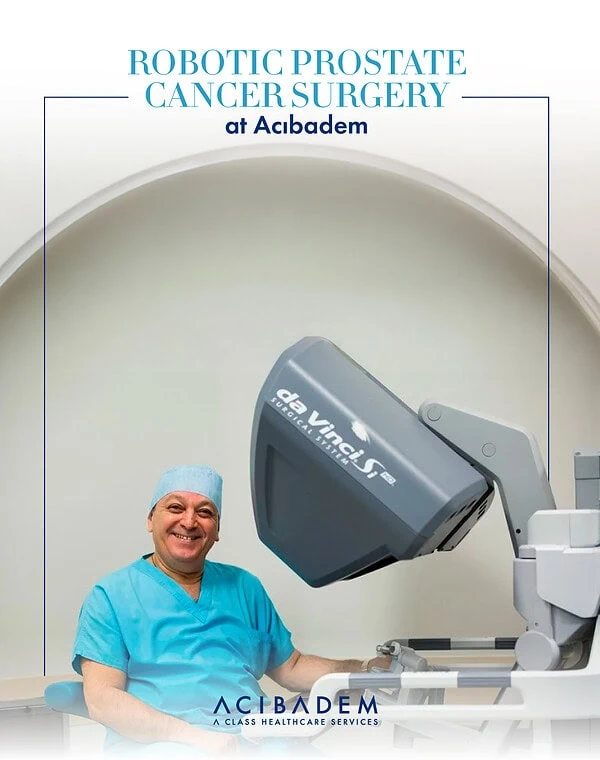
Frequently asked questions
Can my case be reviewed before I travel?
Yes. You can share your history, diagnosis and any imaging for a remote review by the relevant surgeon, who will advise on the best approach for your condition — which may or may not be robotic — including a second opinion where helpful, before you decide to travel.
Does the robot operate on its own?
No. An experienced surgeon controls the system at every moment. The technology translates the surgeon’s hand movements into precise actions, enhancing their precision and control rather than operating independently.
What are the benefits of robotic surgery?
Where appropriate, operating through tiny incisions generally means less pain, a lower risk of wound problems and a quicker recovery than open surgery, and the enhanced precision can support careful operating in delicate areas.
Is robotic surgery always better?
No. Robotic surgery is not automatically better for every situation. The surgeon assesses whether it offers a genuine benefit compared with other approaches and recommends it only where it truly helps.
Which procedures use robotic surgery?
It is used across specialties, including urological procedures such as prostate and kidney surgery, selected general and abdominal surgery, gynecological surgery and some cancer operations, where its precision is valuable.
Who performs the surgery?
An experienced surgeon trained in robotic techniques, in the relevant specialty for your condition, performs the operation, supported by a specialist surgical team. The surgeon’s expertise remains central.
How is it decided whether robotic surgery is right for me?
The surgeon assesses your condition and considers whether a robotic approach offers a genuine benefit compared with other options, basing the decision on what is best for you rather than on using technology for its own sake.
Will recovery be quicker?
Where robotic surgery is used, operating through tiny incisions often means less pain and a quicker recovery than open surgery, though this depends on the procedure and the individual.
How long will I need to stay in Turkey?
It depends on the procedure. A gentler recovery can shorten the stay, but your coordinator plans your total time abroad around safe recovery and travel and gives a realistic estimate in advance.
Is robotic surgery safe?
Performed by experienced surgeons in accredited hospitals with full surgical support, robotic surgery is well established. Safety depends on the individual case and the surgeon’s judgment, which is why careful assessment comes first.
How can we help you today?
Send your diagnosis and reports — a senior specialist reviews them and replies.
Send my reportsMeet an Acıbadem specialist by secure video, before you travel.
Book a video visit