
Thulium Fiber Laser
The thulium fiber laser dusts kidney stones finer and cuts tissue cleaner — next-generation laser surgery for stones and prostate enlargement.
- 8 sections
- 15 questions answered
- 18 hospitals
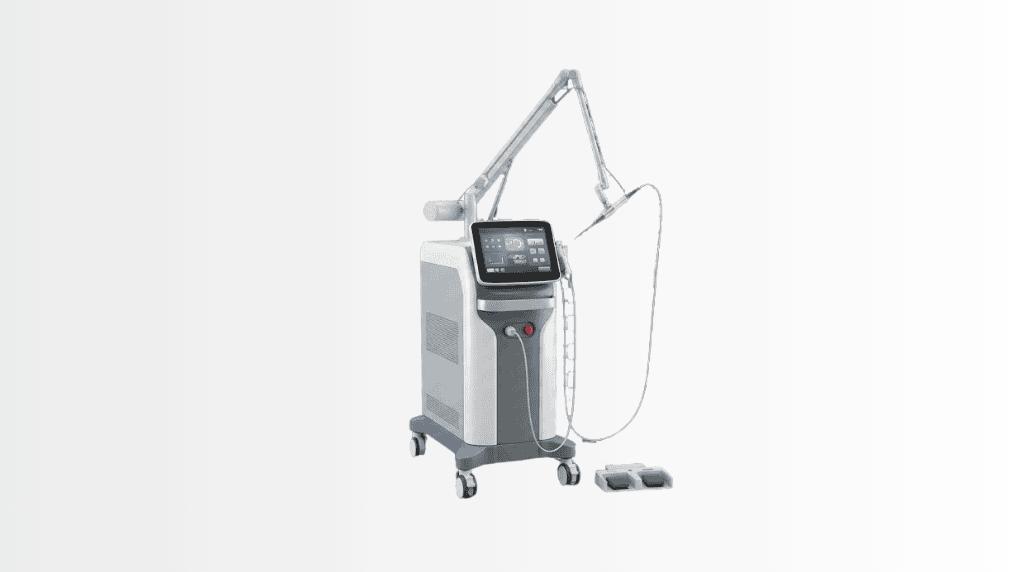
Thulium Fiber Laser is an endoscopic urology technology used to fragment urinary stones and treat selected prostate conditions with precise laser energy. At Acibadem in Turkey, urology specialists assess suitability and perform minimally invasive laser procedures through the natural urinary tract when appropriate.
What is a thulium fiber laser?
A surgical laser whose light is generated inside doped optical fibers and delivered through hair-thin flexible fibers threaded down endoscopes. Two engineering traits matter clinically: its wavelength sits near a water-absorption peak — energy is absorbed superficially and efficiently, so effects stay precisely where aimed — and its pulse control spans very low energies at very high frequencies, the recipe for “dusting” stones into powder rather than cracking them into runaway chips. The same controllability serves soft tissue: clean incision with simultaneous sealing of small vessels.
Thulium laser in kidney stone surgery
In ureteroscopy and flexible renal endoscopy, the laser meets the stone through the natural urinary tract — no incision at all. Thulium’s signature is dusting efficiency: fine fragments that pass or wash out, less need to retrieve chips one by one, and markedly less retropulsion, so the target stops fleeing the treatment. Sessions for a given stone burden tend to run efficiently, and the approach handles stones of essentially any composition. Which stones suit laser ureteroscopy versus shock-wave lithotripsy or percutaneous surgery remains a urology planning decision made on imaging — size, location, density and your anatomy decide.
Thulium laser in prostate surgery (ThuLEP / ThuFLEP)
For benign prostatic enlargement, thulium enucleation — ThuLEP, or ThuFLEP with the fiber laser — follows the same anatomical logic as HoLEP: peel the entire obstructing adenoma off the capsule through the natural channel, morcellate and retrieve it, send every gram to pathology. The thulium beam’s shallow, controlled penetration gives smooth cutting with strong sealing, keeping bleeding low — including in many patients on blood thinners — and the size-independence of enucleation applies in full. Outcomes in published series parallel holmium enucleation; centre experience with the enucleation technique matters more than the crystal in the box.
What to expect
Stone procedures: under general or spinal anaesthesia, typically 30–90 minutes by stone burden; often day-case or one night, sometimes with a temporary internal stent whose removal date is written down before you leave. Expect a day or two of burning and pink urine, settling quickly. Prostate enucleation: one to two hours, a short catheter period, commonly a one-to-two-night stay, and the honest recovery arc of any BPH surgery — early urgency settling over weeks, with retrograde ejaculation the expected permanent trade-off discussed before consent. Both pathways run on imaging-first planning: your CT or ultrasound largely writes the operative plan before you meet the theatre.
Thulium vs holmium — the honest comparison
Holmium remains an excellent, universal standard with the deepest evidence base; thulium fiber refines the physics — finer dusting, less retropulsion, quieter and more compact hardware — with rapidly maturing evidence behind it. For patients the honest summary: both achieve the same operations well; the surgeon’s technique and the centre’s volume dominate outcomes, and a network operating both simply assigns the tool per case, which is exactly how it should work.
Thulium laser surgery at Acibadem
Thulium platforms serve the group’s urology practice across its theatres — beside holmium systems, flexible endoscopy fleets and the imaging that plans every case — with pathology through the group’s ISO-accredited laboratories reading every enucleation specimen. For international patients, stone and prostate candidacy alike usually settle from imaging before travel: a written plan, technique choice and estimate first, one trip second.
The stone journey: from renal colic to clearance
Most stone stories start loudly — the flank pain of renal colic — and the pathway from there is more standardised than sufferers expect. Low-dose CT names the stone: size, position, density, and the anatomy around it. Small distal stones often earn a trial of passage with medication easing the ureter; the rest meet the decision triangle — shock-wave lithotripsy from outside for suitable smaller stones, laser ureteroscopy through the natural tract for most of the middle ground, percutaneous surgery through a keyhole in the back for the large upper-tract burden. The thulium fiber laser has widened ureteroscopy’s slice of that triangle: dusting efficiency makes larger and harder stones reachable endoscopically, often in one session. Whichever route clears today’s stone, the epilogue matters as much: roughly half of stone-formers recur within years without prevention, so 24-hour urine analysis, stone composition testing and targeted advice — fluid volume above all, plus diet or medication matched to your chemistry — convert an emergency into a managed, usually preventable condition.
The BPH decision tree: where laser enucleation sits
Prostate enlargement offers a menu, and honest urology walks it in order. Watchful waiting with lifestyle measures suits mild, stable symptoms. Medication — flow-relaxing alpha-blockers, gland-shrinking inhibitors — serves many men for years, at the price of side-effect profiles that stop some. Minimally invasive options occupy the middle: implanted retractors and steam ablation trade smaller anatomical change and preserved ejaculation for higher retreatment rates over time. Surgery anchors the far end: TURP for average glands; enucleation — thulium ThuLEP/ThuFLEP or holmium HoLEP — as the size-independent, durability-leading option, particularly for large glands, retention histories and anticoagulated patients; simple prostatectomy retreating into history where enucleation is available. The right rung depends on gland size, symptom severity, bladder condition, ejaculation priorities and anaesthesia fitness — which is why the urology consultation begins with measurements and ends with a menu explained, not a single dish served.
Where it is installed
18 in total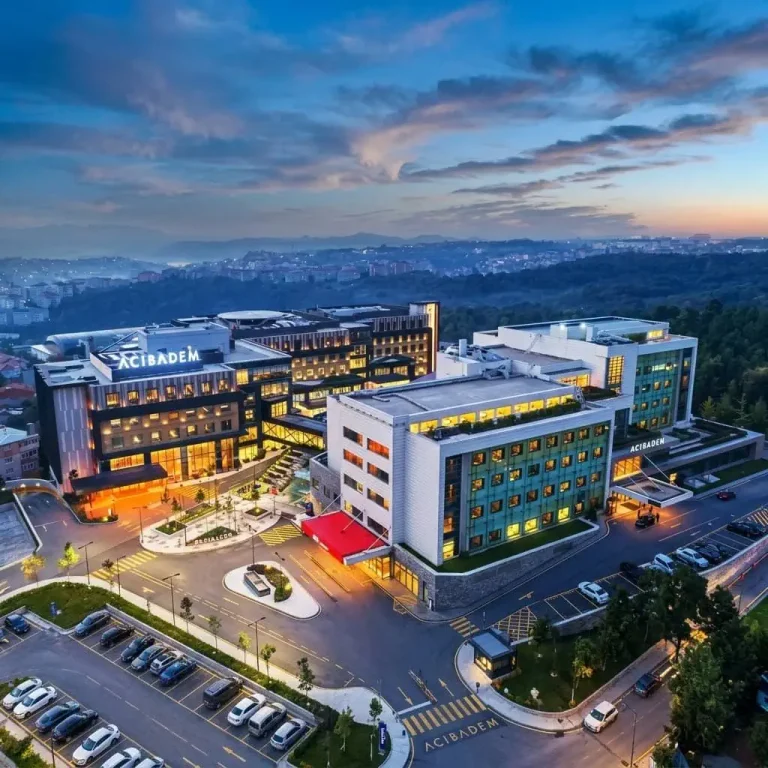 Acibadem Maslak Hospital
İstanbul · 282 doctors
Acibadem Maslak Hospital
İstanbul · 282 doctors
 Acibadem Altunizade Hospital
İstanbul · 301 doctors
Acibadem Altunizade Hospital
İstanbul · 301 doctors
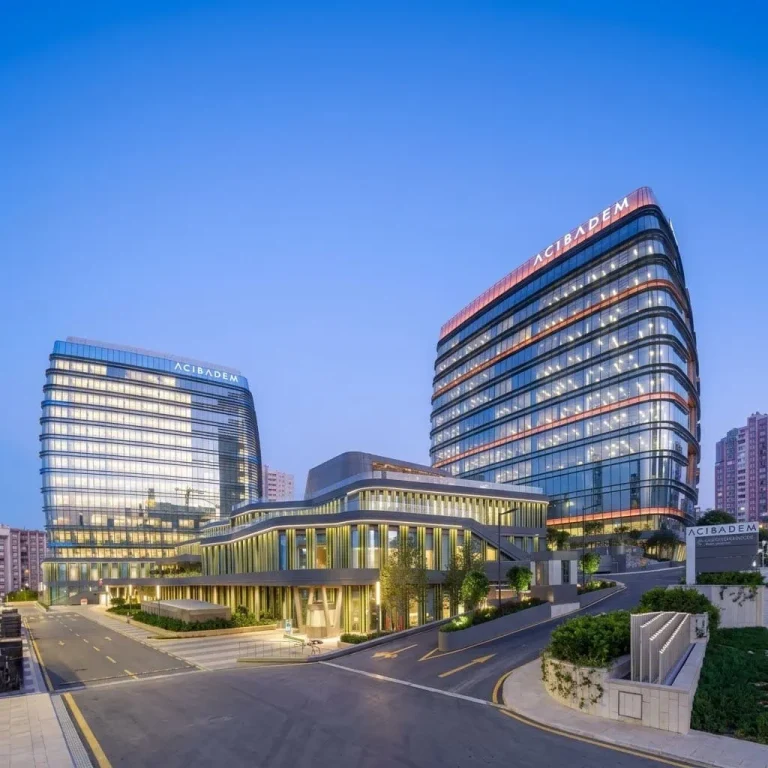 Acibadem Atasehir Hospital
İstanbul · 221 doctors
Acibadem Atasehir Hospital
İstanbul · 221 doctors
 Acibadem Atakent Hospital
İstanbul · 160 doctors
Acibadem Atakent Hospital
İstanbul · 160 doctors
 Acibadem Kent Hospital (Izmir)
İzmir · 164 doctors
Acibadem Kent Hospital (Izmir)
İzmir · 164 doctors
 Acibadem Taksim Hospital
İstanbul · 64 doctors
Acibadem Taksim Hospital
İstanbul · 64 doctors
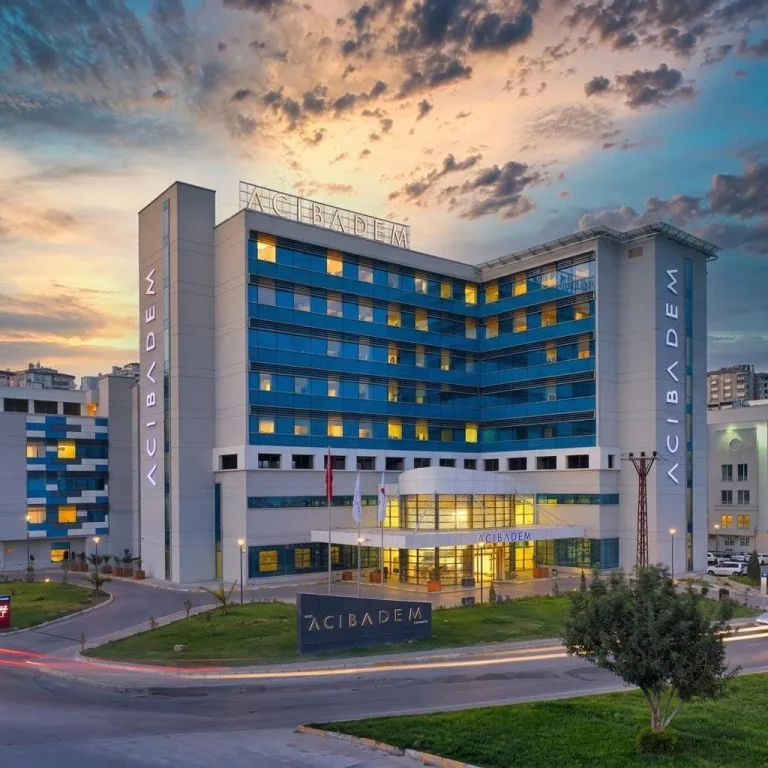 Acibadem Adana Hospital
Adana · 109 doctors
Acibadem Adana Hospital
Adana · 109 doctors
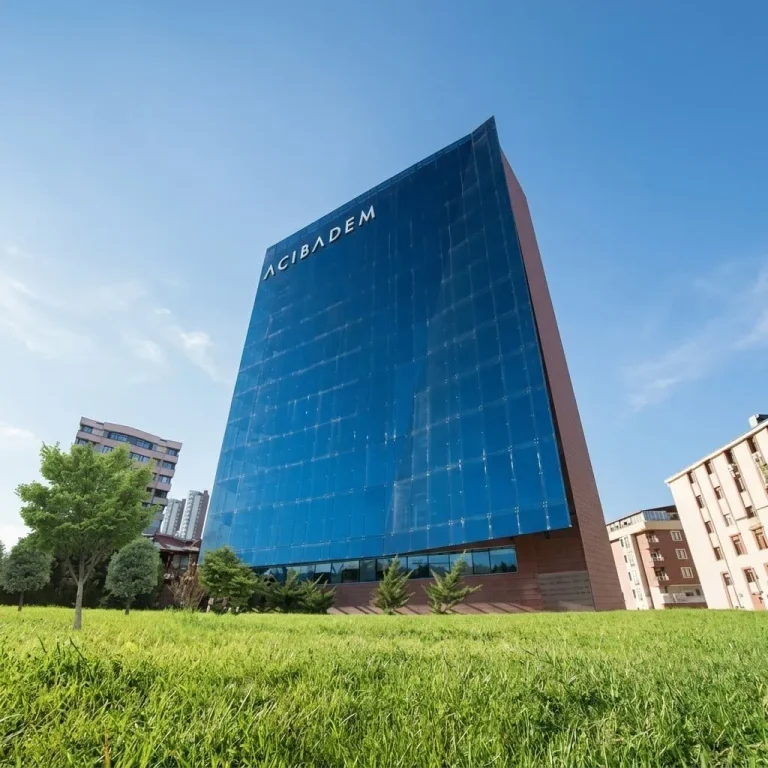 Acibadem Ankara Hospital
Ankara · 74 doctors
Acibadem Ankara Hospital
Ankara · 74 doctors
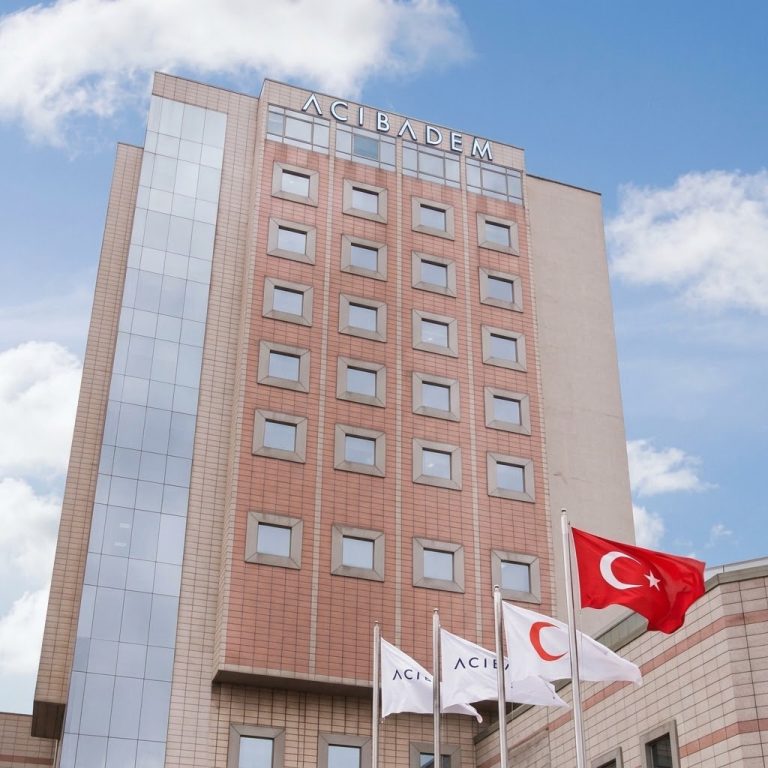 Acibadem Bakirkoy Hospital
İstanbul · 110 doctors
Acibadem Bakirkoy Hospital
İstanbul · 110 doctors
 Acibadem Bodrum Hospital
Muğla · 93 doctors
Acibadem Bodrum Hospital
Muğla · 93 doctors
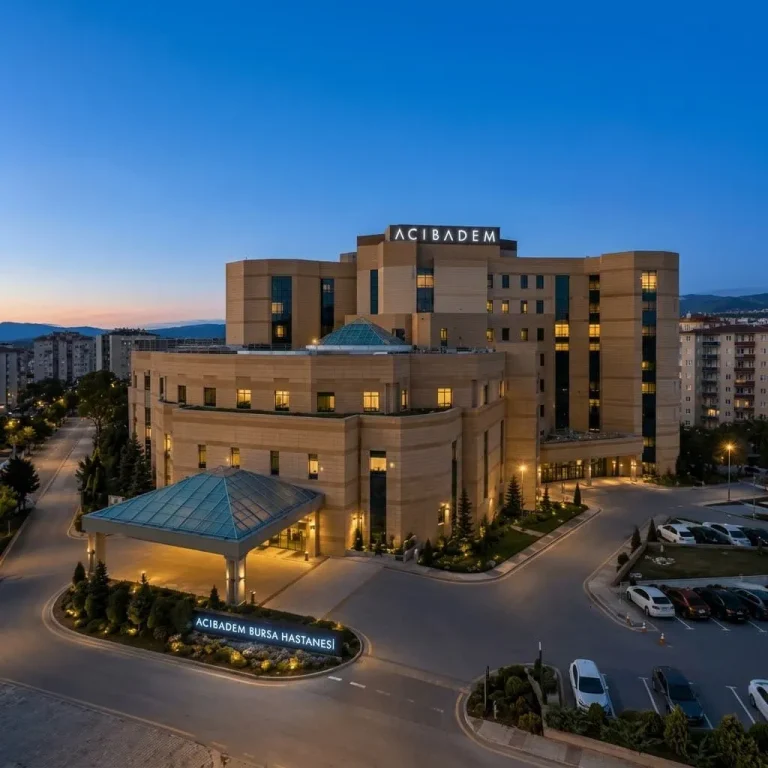 Acibadem Bursa Hospital
Bursa · 106 doctors
Acibadem Bursa Hospital
Bursa · 106 doctors
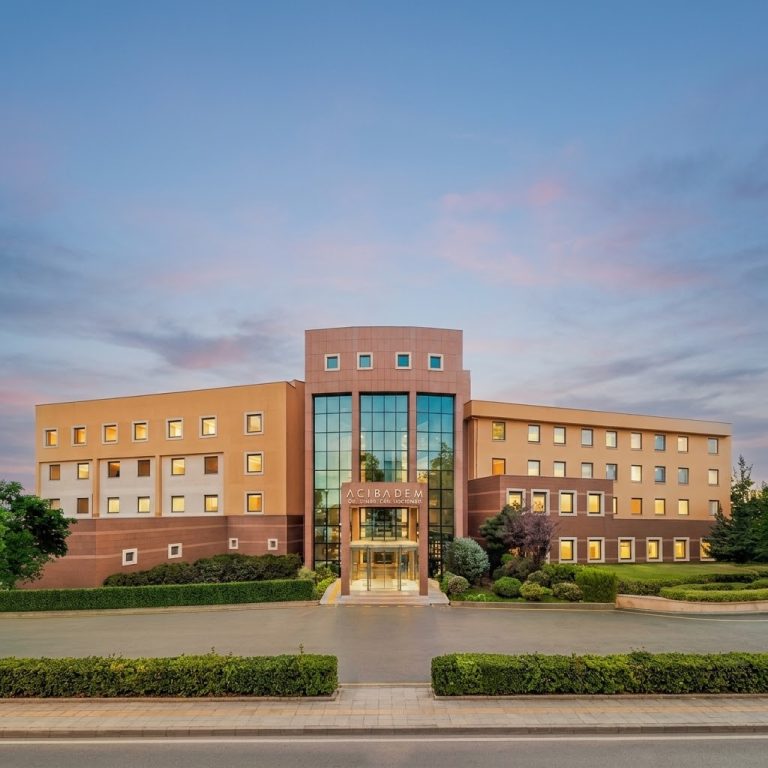 Acibadem Dr. Sinasi Can (Kadikoy) Hospital
İstanbul · 109 doctors
Acibadem Dr. Sinasi Can (Kadikoy) Hospital
İstanbul · 109 doctors
Frequently asked questions
What happens after my stone is cleared?
Prevention — stone analysis, 24-hour urine chemistry and targeted advice on fluids, diet or medication; without it, roughly half of stone-formers recur within years.
Which stones can be treated with laser instead of surgery through the back?
Ureteroscopic laser treatment covers most small-to-moderate burdens and, with thulium’s dusting efficiency, increasingly larger ones — CT findings and anatomy make the call.
Where does laser enucleation sit among BPH treatments?
At the durable end of the menu — size-independent and long-lasting, chosen after medication and minimally invasive options are honestly weighed against your gland, symptoms and priorities.
What is the thulium fiber laser used for?
Chiefly kidney and ureteric stone surgery through natural passages, and laser enucleation of the enlarged prostate (ThuLEP/ThuFLEP) — plus selected soft-tissue urological work.
What does “dusting” a stone mean?
Pulverising it into fine fragments that pass or wash out — thulium’s low-energy, high-frequency pulses are engineered for exactly this, with less chip-chasing and retrieval.
Why does less retropulsion matter?
Because a stone that stays put gets treated faster and more completely — each pulse works instead of pushing the target away.
Is thulium laser stone surgery an operation with incisions?
No — access is through the natural urinary tract with flexible endoscopes; there is no external cut.
Will I have a stent afterwards?
Sometimes, temporarily — it protects drainage while swelling settles; its removal date is stated in writing before discharge.
How long is recovery after stone treatment?
Typically quick — a day or two of burning and pink urine, ordinary life within days; your discharge notes state your case’s specifics.
What is ThuLEP and how does it compare with HoLEP?
The same anatomical enucleation of the obstructing prostate, performed with a thulium rather than holmium laser — published outcomes run parallel, and technique experience matters more than the crystal.
How can we help you today?
Send your diagnosis and reports — a senior specialist reviews them and replies.
Send my reportsMeet an Acıbadem specialist by secure video, before you travel.
Book a video visit