
Migraine
Overview Migraine is a common neurological condition that causes recurring attacks of moderate to severe headache, often with other symptoms such as nausea, sensitivity to light, or visual disturbances. It is more than a “bad…
- 7 sections
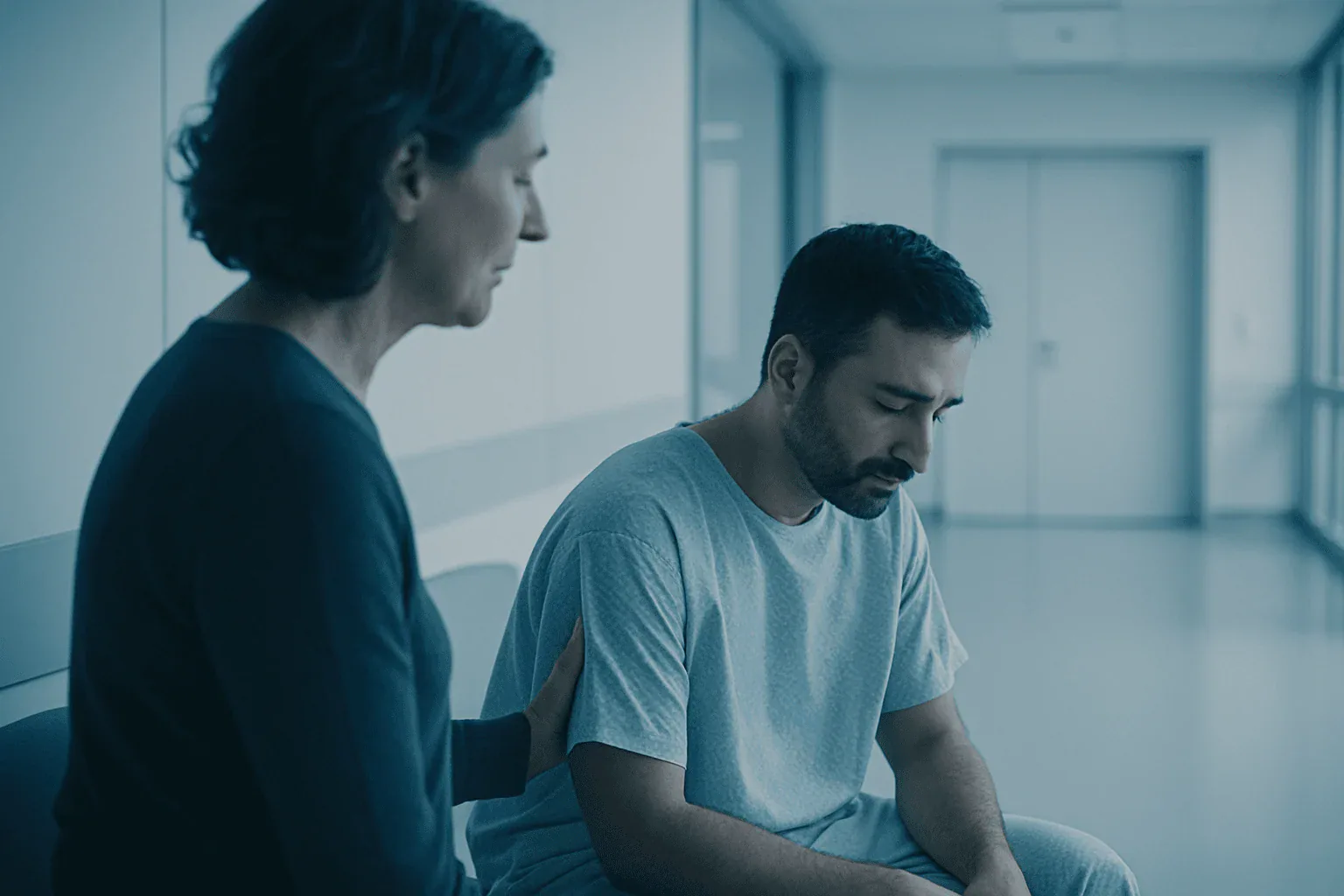
Migraine is a neurological condition that causes recurring headache attacks, often with nausea and sensitivity to light, sound, or movement, and sometimes visual or sensory warning symptoms called aura. At Acibadem in Turkey, migraine care focuses on confirming the diagnosis, identifying triggers, and managing attacks with a personalized plan that may include lifestyle measures, medication, and specialist follow-up.
Overview
Migraine is a common neurological condition that causes recurring attacks of moderate to severe headache, often with other symptoms such as nausea, sensitivity to light, or visual disturbances. It is more than a “bad headache.” Migraine involves changes in the brain and nervous system that can affect pain pathways, blood vessels, and sensory processing.
Migraine attacks can last for hours or longer and may interfere with work, school, travel, and daily activities. Some people have occasional attacks, while others experience them frequently. Although migraine can be distressing, it is a recognized medical condition, and many people can reduce the impact of attacks with appropriate medical evaluation, lifestyle adjustments, and treatment planning.
Symptoms
Migraine symptoms vary from person to person and may change over time. A migraine attack can develop in stages, although not everyone experiences every stage.
- Head pain: Often described as throbbing, pulsing, or pounding. It may affect one side of the head or both sides.
- Nausea or vomiting: Digestive symptoms are common during an attack.
- Sensitivity to light, sound, or smells: Many people prefer a quiet, dark environment during an attack.
- Worsening with movement: Physical activity may make the pain feel worse.
- Fatigue and difficulty concentrating: These may occur before, during, or after the headache phase.
Migraine With Aura
Some people experience aura before or during a migraine attack. Aura symptoms are usually temporary and may include flashing lights, zigzag lines, blind spots, tingling, numbness, or difficulty speaking. Because some aura symptoms can resemble other serious neurological problems, new or unusual symptoms should be assessed by a doctor.
Causes and Risk Factors
The exact cause of migraine is not fully understood. It is believed to involve inherited and environmental factors that influence how the brain responds to certain triggers. Migraine is not caused by personal weakness, and it is not simply due to stress, although stress can contribute to attacks in some people.
Common factors that may be associated with migraine include:
- Family history: Migraine can run in families.
- Hormonal changes: Some people notice attacks related to menstrual cycles, pregnancy, or hormonal transitions.
- Sleep changes: Too little sleep, too much sleep, or irregular sleep patterns may contribute.
- Stress and relaxation after stress: Attacks may occur during stressful periods or after stress has passed.
- Food and drink patterns: Skipping meals, dehydration, alcohol, or certain foods may be triggers for some individuals.
- Environmental factors: Bright lights, strong smells, loud noise, weather changes, or high altitude may play a role.
- Overuse of pain-relief medicines: Frequent use of headache medicines can sometimes make headaches more frequent or harder to manage.
Triggers are individual. What affects one person may not affect another, and some attacks occur without an obvious trigger.
Diagnosis
Migraine is usually diagnosed through a medical consultation, detailed symptom history, and neurological examination. A doctor may ask about the pattern of headaches, duration, pain location, associated symptoms, family history, possible triggers, and how often attacks occur.
Keeping a headache diary may help the doctor understand patterns, such as timing, symptoms, possible triggers, and response to previous treatments. This can be especially useful when attacks are frequent or changing.
In many cases, imaging tests or laboratory tests are not required to diagnose migraine. However, a doctor may recommend further tests if symptoms are new, unusual, severe, or if there are findings that suggest another medical condition. The purpose is to rule out other causes of headache and ensure the most appropriate management plan.
Treatment Options
Migraine treatment is personalized. The goal is to reduce the frequency, severity, and disruption caused by attacks, and to help the person function as well as possible. Treatment plans may include several approaches.
- Acute treatment: Medicines taken during an attack may help reduce pain and associated symptoms. The best option depends on the person’s health history, symptom pattern, and other medicines they may use.
- Preventive treatment: For people with frequent, severe, or disabling attacks, a doctor may recommend preventive therapies to reduce how often attacks occur.
- Lifestyle and trigger management: Regular sleep, consistent meals, hydration, physical activity appropriate to the person’s condition, and stress management may help some people reduce attacks.
- Management of associated conditions: Anxiety, depression, sleep disorders, neck pain, and other health issues may influence migraine and may need attention as part of care.
- Specialist care: A neurologist may be involved when migraine is frequent, complex, difficult to control, or associated with unusual symptoms.
It is important not to rely on frequent self-medication for headaches without medical advice, as this can sometimes worsen headache patterns. A healthcare professional can help create a safe and suitable plan.
When to See a Doctor
Medical evaluation is recommended if headaches are frequent, severe, worsening, interfering with daily life, or not responding as expected to usual measures. People with a history of migraine should also seek advice if their headache pattern changes significantly.
Urgent medical attention is needed for a sudden, extremely severe headache; headache with weakness, confusion, fainting, vision loss, seizure, fever, stiff neck, or difficulty speaking; headache after head injury; or a new headache during pregnancy or in people with serious underlying illness. These symptoms do not always mean a dangerous condition is present, but they should be assessed promptly.
With proper evaluation and an individualized care plan, many people with migraine can better understand their condition and reduce its impact on everyday life.
Care at Acıbadem
1 in total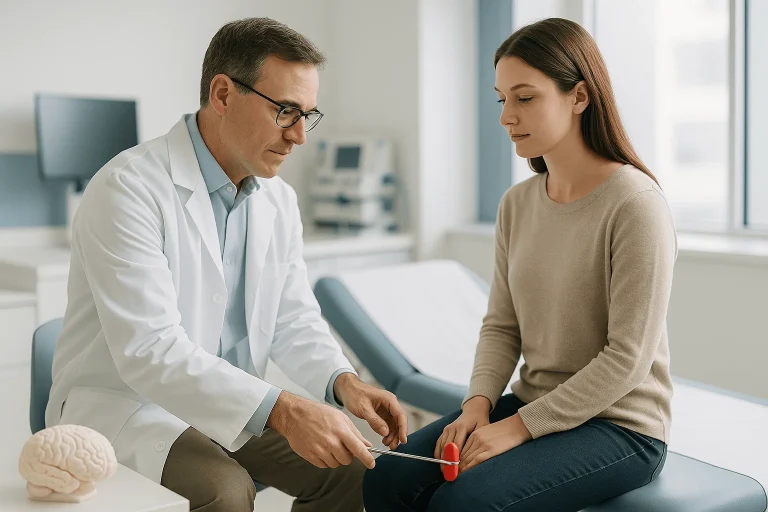
Doctors who treat it
12 in total Prof. Aytekin Akyüz, MD
Neurology
Prof. Aytekin Akyüz, MD
Neurology
 Prof. Ayşe Sağduyu Kocaman, MD
Dementia, Alzheimer's, Parkinson's and Aging
Prof. Ayşe Sağduyu Kocaman, MD
Dementia, Alzheimer's, Parkinson's and Aging
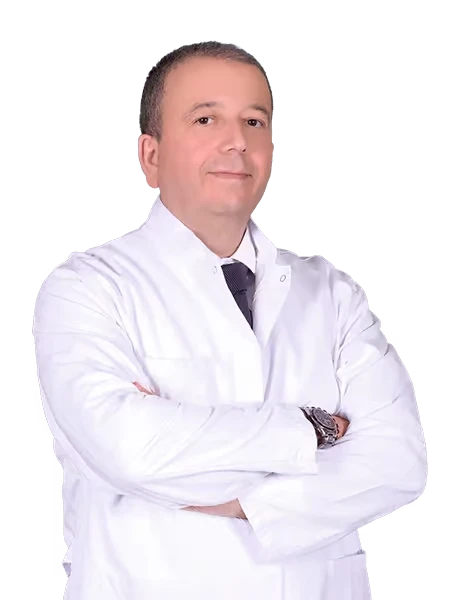 Prof. Dilaver Kaya, MD
Dementia, Alzheimer's, Parkinson's and Aging
Prof. Dilaver Kaya, MD
Dementia, Alzheimer's, Parkinson's and Aging
 Prof. Elif Ilgaz Aydınlar, MD
Headache Treatment
Prof. Elif Ilgaz Aydınlar, MD
Headache Treatment
 Prof. Emine Nur Tozan, MD
Treatment of pain (Algology)
Prof. Emine Nur Tozan, MD
Treatment of pain (Algology)
 Prof. Kayıhan Uluç, MD
Headache Treatment
Prof. Kayıhan Uluç, MD
Headache Treatment
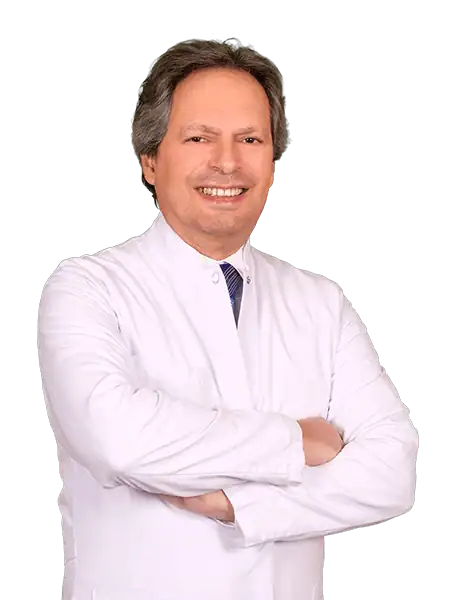 Prof. Murat Aksu, MD
Dementia, Alzheimer's, Parkinson's and Aging
Prof. Murat Aksu, MD
Dementia, Alzheimer's, Parkinson's and Aging
 Prof. Nergiz Hüseyinoğlu, MD
Dementia, Alzheimer's, Parkinson's and Aging
Prof. Nergiz Hüseyinoğlu, MD
Dementia, Alzheimer's, Parkinson's and Aging
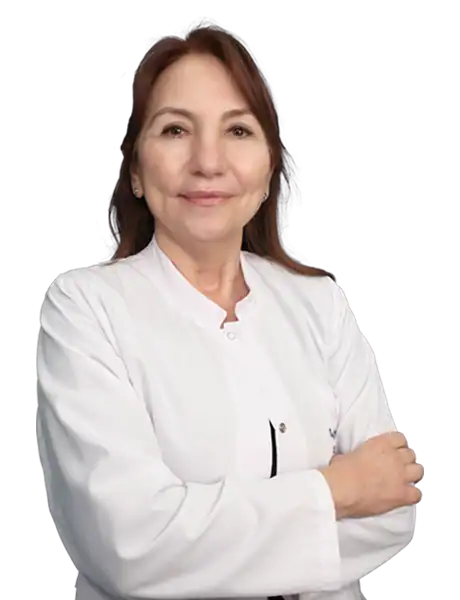 Prof. Neşe Tuncer, MD
Dementia, Alzheimer's, Parkinson's and Aging
Prof. Neşe Tuncer, MD
Dementia, Alzheimer's, Parkinson's and Aging
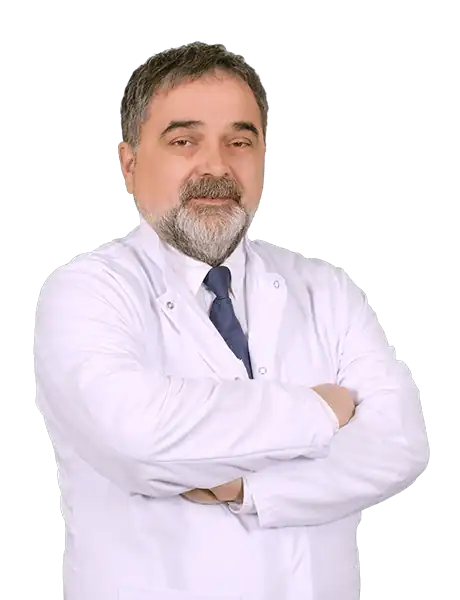 Prof. Süleyman Özyalçın, MD
Treatment of pain (Algology)
Prof. Süleyman Özyalçın, MD
Treatment of pain (Algology)
 Assoc. Prof. Kamer Dere, MD
Treatment of pain (Algology)
Assoc. Prof. Kamer Dere, MD
Treatment of pain (Algology)
 Hafsa Hicret Bülbül Göktaş, MD
Headache Treatment
Hafsa Hicret Bülbül Göktaş, MD
Headache Treatment
Related reading
4 in total

How can we help you today?
Send your diagnosis and reports — a senior specialist reviews them and replies.
Send my reportsMeet an Acıbadem specialist by secure video, before you travel.
Book a video visit