
Ventricular Tachycardia
Overview Ventricular tachycardia is a type of abnormal heart rhythm that starts in the lower chambers of the heart, called the ventricles. In this condition, the ventricles beat much faster than normal. Because the heartbeat…
- 6 sections

Ventricular tachycardia is a fast, abnormal heart rhythm that starts in the heart’s lower chambers and can reduce effective blood flow, causing palpitations, dizziness, fainting, or cardiac arrest. At Acibadem in Turkey, evaluation typically includes cardiac examination, ECG-based rhythm monitoring, imaging, and electrophysiology studies, with treatment planned according to the cause and severity using medicines, catheter ablation, implantable devices, or…
Overview
Ventricular tachycardia is a type of abnormal heart rhythm that starts in the lower chambers of the heart, called the ventricles. In this condition, the ventricles beat much faster than normal. Because the heartbeat is too rapid, the heart may not have enough time to fill with blood between beats. This can reduce the amount of blood pumped to the brain and the rest of the body.
Ventricular tachycardia can occur in short episodes that stop on their own, or it can last longer and become a medical emergency. In some people, it is related to an existing heart condition. In others, it may be discovered during tests for palpitations, fainting, or another health concern. Careful evaluation by a cardiology team is important because ventricular tachycardia can sometimes lead to more serious rhythm problems.
Symptoms
Symptoms can vary depending on how fast the heart is beating, how long the episode lasts, and whether there is underlying heart disease. Some short episodes may cause few or no noticeable symptoms. Longer or faster episodes are more likely to cause symptoms.
- A sudden feeling of rapid, pounding, or fluttering heartbeat
- Dizziness or lightheadedness
- Shortness of breath
- Chest discomfort or pressure
- Weakness or unusual fatigue
- Feeling faint or actually fainting
- Anxiety or a sense that something is wrong
If ventricular tachycardia significantly reduces blood flow, it can cause collapse or loss of consciousness. This situation requires urgent medical attention.
Causes and Risk Factors
Ventricular tachycardia happens when abnormal electrical signals develop in the ventricles. These signals can disturb the heart’s normal electrical pathway and cause the ventricles to beat too quickly.
Several conditions may increase the risk of ventricular tachycardia. These include previous heart attack, coronary artery disease, heart muscle weakness, heart failure, inflammation of the heart muscle, heart valve disease, and certain inherited heart rhythm disorders. Scarring in the heart muscle, often from previous damage, can also create areas where abnormal electrical signals may start.
Other factors may contribute in some cases, such as electrolyte imbalances, severe illness, reduced oxygen levels, or the effects of some substances. Structural heart abnormalities, whether present from birth or developed later in life, can also be involved. Not everyone with risk factors will develop ventricular tachycardia, and some people may experience it without a clearly identified cause.
Diagnosis
Diagnosis begins with a medical history, discussion of symptoms, and physical examination. A cardiologist may ask about fainting episodes, chest discomfort, known heart disease, family history of sudden cardiac events, and previous test results.
An electrocardiogram, often called an ECG, records the heart’s electrical activity and may show ventricular tachycardia if it is happening during the test. Because episodes can come and go, longer monitoring may be recommended. This can include portable heart rhythm monitors worn for a period of time during daily activities.
Additional tests may be used to look for underlying causes. These may include ultrasound imaging of the heart to assess heart structure and pumping function, exercise-related testing when appropriate, blood tests, advanced cardiac imaging, or specialized rhythm studies. The exact tests depend on the person’s symptoms, medical history, and clinical condition.
Treatment Options
Treatment depends on the type of ventricular tachycardia, how long episodes last, symptoms, and whether there is underlying heart disease. The main goals are to control the rhythm, reduce the chance of future dangerous episodes, and treat any underlying condition contributing to the problem.
In urgent situations, hospital-based emergency treatment may be needed to restore a safer heart rhythm and support circulation. For ongoing care, options may include heart rhythm medications, procedures that target the area causing abnormal electrical signals, or implanted devices that monitor the heartbeat and deliver therapy if a dangerous rhythm occurs. In some cases, treatment of coronary artery disease, heart failure, valve disease, or other heart conditions is an important part of the plan.
Lifestyle and follow-up care may also be discussed as part of a broader heart health plan. This can include monitoring known heart conditions, attending regular cardiology appointments, and addressing factors that may strain the heart. Treatment decisions are individualized and should be made with a qualified cardiology team.
When to See a Doctor
Anyone with new or unexplained palpitations, dizziness, fainting, shortness of breath, or chest discomfort should seek medical evaluation. People with known heart disease should be especially attentive to new rhythm-related symptoms.
Emergency medical help is needed if a rapid heartbeat is accompanied by fainting, severe dizziness, chest pain, severe shortness of breath, confusion, or collapse. These symptoms may indicate that the heart is not pumping blood effectively.
If ventricular tachycardia has already been diagnosed, regular follow-up is important, even if symptoms improve or episodes are infrequent. A cardiologist can review test results, monitor treatment, and adjust the care plan when needed.
Care at Acıbadem
1 in total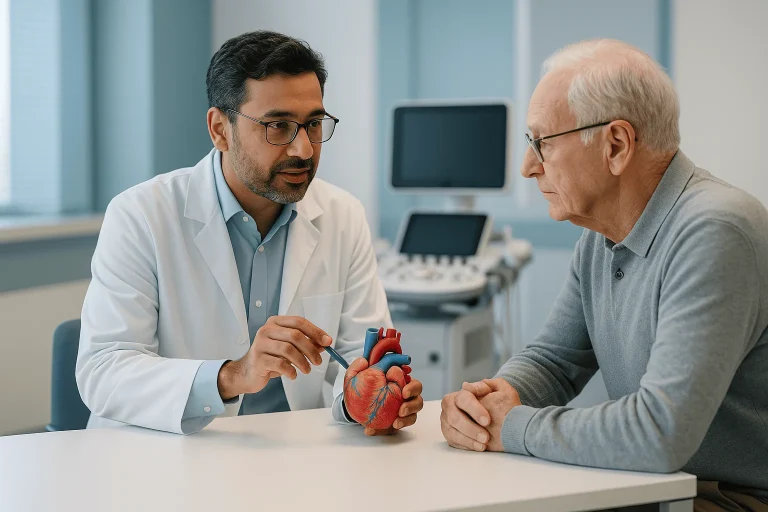
Doctors who treat it
12 in total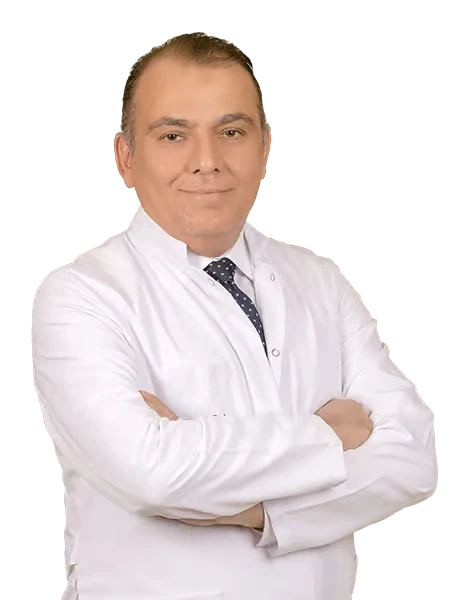 Prof. Ahmet Tulga Ulus, MD
Cardiovascular Surgery
Prof. Ahmet Tulga Ulus, MD
Cardiovascular Surgery
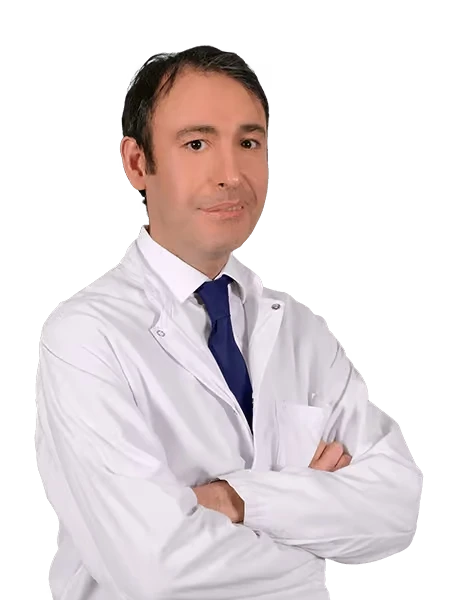 Prof. Ahmet Ümit Güllü, MD
Cardiopulmonary Rehabilitation
Prof. Ahmet Ümit Güllü, MD
Cardiopulmonary Rehabilitation
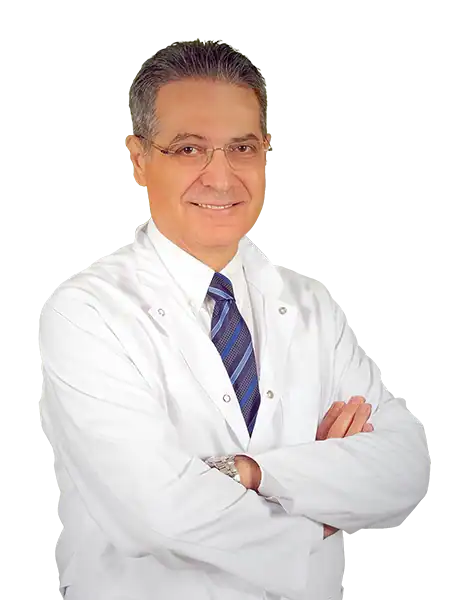 Prof. Bülent Kısacıkoğlu, MD
Cardiopulmonary Rehabilitation
Prof. Bülent Kısacıkoğlu, MD
Cardiopulmonary Rehabilitation
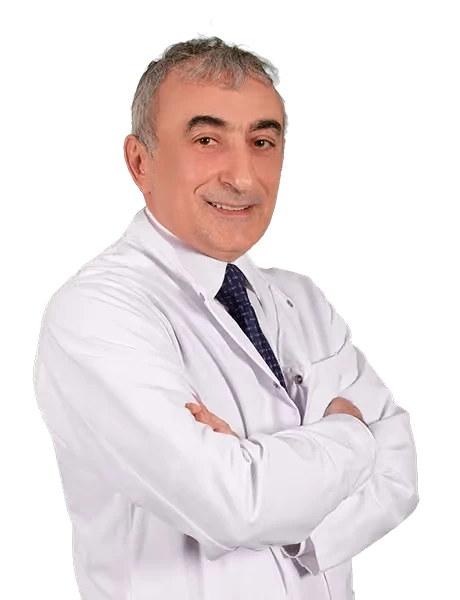 Prof. Cem Alhan, MD
Cardiovascular Surgery
Prof. Cem Alhan, MD
Cardiovascular Surgery
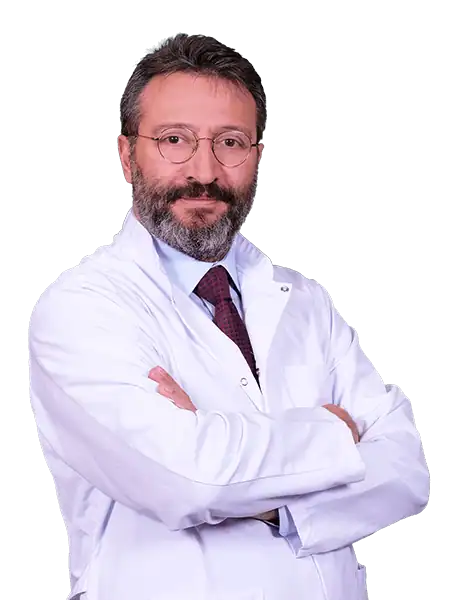 Prof. Ersin Erek, MD
Cardiovascular Surgery
Prof. Ersin Erek, MD
Cardiovascular Surgery
 Prof. Eyüp Murat Ökten, MD
Cardiovascular Surgery
Prof. Eyüp Murat Ökten, MD
Cardiovascular Surgery
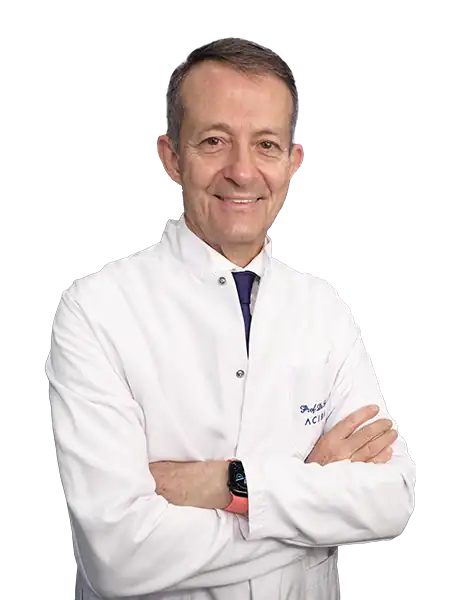 Prof. Fuat Bilgen, MD
Cardiovascular Surgery
Prof. Fuat Bilgen, MD
Cardiovascular Surgery
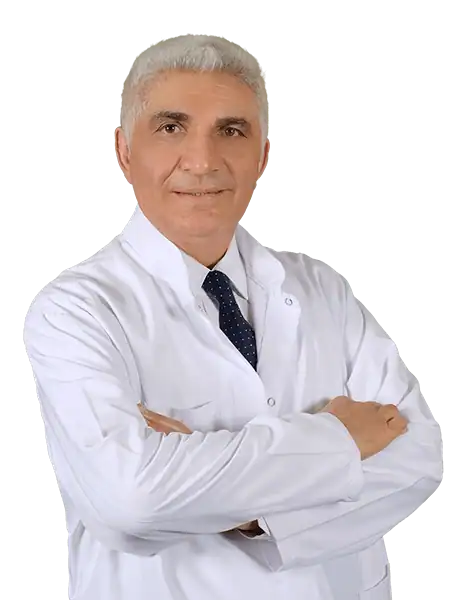 Prof. Hayati Özkan, MD
Cardiovascular Surgery
Prof. Hayati Özkan, MD
Cardiovascular Surgery
 Prof. Mehmet Özkan, MD
Cardiovascular Surgery
Prof. Mehmet Özkan, MD
Cardiovascular Surgery
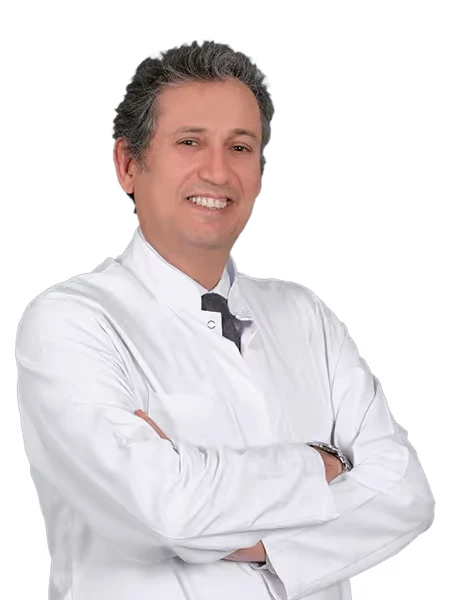 Prof. Rıza Türköz, MD
Cardiovascular Surgery
Prof. Rıza Türköz, MD
Cardiovascular Surgery
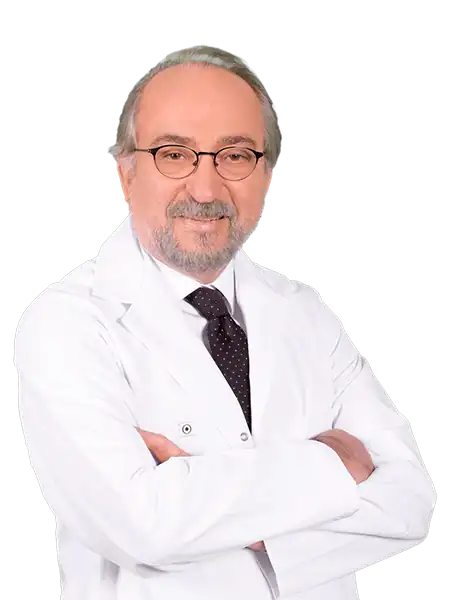 Prof. Tayyar Sarioğlu, MD
Cardiovascular Surgery
Prof. Tayyar Sarioğlu, MD
Cardiovascular Surgery
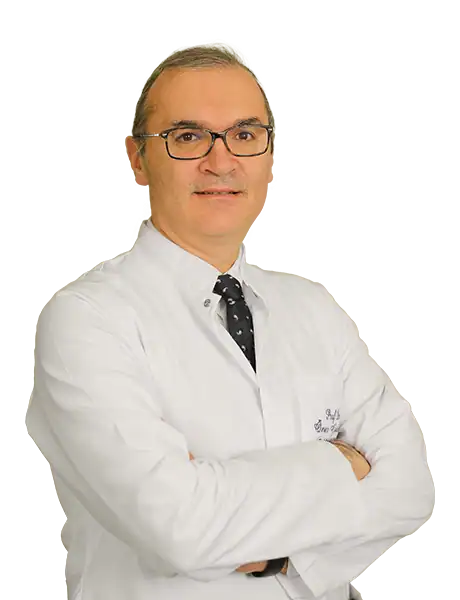 Prof. Öner Gülcan, MD
Cardiopulmonary Rehabilitation
Prof. Öner Gülcan, MD
Cardiopulmonary Rehabilitation
How can we help you today?
Send your diagnosis and reports — a senior specialist reviews them and replies.
Send my reportsMeet an Acıbadem specialist by secure video, before you travel.
Book a video visit