
Temporomandibular Joint Disorder
Overview Temporomandibular joint disorder, often called TMJ disorder or TMD, refers to a group of conditions affecting the jaw joints and the muscles that control jaw movement. The temporomandibular joints are located on each side…
- 6 sections
Temporomandibular joint disorder is a group of conditions affecting the jaw joint and surrounding muscles, often causing jaw pain, clicking, stiffness, and difficulty chewing or opening the mouth. Treatment depends on the cause and severity and may include evaluation by maxillofacial and dental specialists, imaging, medication, bite adjustment devices, physical therapy, or surgery when needed.
Overview
Temporomandibular joint disorder, often called TMJ disorder or TMD, refers to a group of conditions affecting the jaw joints and the muscles that control jaw movement. The temporomandibular joints are located on each side of the face, just in front of the ears. They allow the jaw to open, close, move forward and backward, and shift from side to side during speaking, chewing, and yawning.
TMJ disorder can cause discomfort in the jaw, face, head, neck, or ears. It may also affect the way the teeth come together or how easily the mouth opens. Symptoms can be mild and temporary, or they may last longer and interfere with daily activities such as eating and talking.
Many cases are related to a combination of muscle tension, joint irritation, bite problems, or habits such as clenching the teeth. With proper evaluation, most people can be managed with conservative dental and medical care. Treatment is usually personalized according to the cause, severity, and duration of symptoms.
Symptoms
Symptoms of TMJ disorder can vary from person to person. Some people mainly notice pain, while others experience joint sounds or difficulty moving the jaw.
- Jaw pain or tenderness, especially near the ear or along the jawline
- Pain while chewing, speaking, or yawning
- Clicking, popping, or grating sounds in the jaw joint
- Limited mouth opening or a feeling that the jaw is stuck
- Jaw stiffness, especially in the morning or after long periods of talking or chewing
- Headaches, facial pain, neck discomfort, or ear-related symptoms such as fullness or ringing
- Changes in the bite or the way the upper and lower teeth meet
- Tooth sensitivity or tooth wear related to grinding or clenching
Joint sounds alone do not always mean there is a serious problem. However, sounds accompanied by pain, locking, or reduced function should be assessed by a dental or healthcare professional.
Causes and Risk Factors
TMJ disorder may develop when the jaw joint, surrounding muscles, or supporting structures are irritated or overloaded. In many cases, there is not one single cause. Several factors may contribute at the same time.
- Teeth grinding or jaw clenching, including during sleep
- Stress-related muscle tension in the face, jaw, neck, or shoulders
- Injury to the jaw, face, head, or neck
- Arthritis or other joint conditions affecting the temporomandibular joint
- Problems with tooth alignment, bite balance, or missing teeth
- Frequent chewing of hard foods or habits that strain the jaw
- Poor posture, especially positions that place strain on the neck and jaw muscles
- Previous dental procedures that required the mouth to stay open for a long time
Risk may be higher in people who have chronic stress, sleep-related grinding, inflammatory joint disease, or a history of jaw injury. Identifying contributing factors is important because it helps guide treatment planning.
Diagnosis
Diagnosis of TMJ disorder begins with a detailed discussion of symptoms, medical history, dental history, and daily habits. A dentist or specialist may ask when the pain started, what makes it better or worse, whether the jaw locks or clicks, and whether there are headaches, ear symptoms, or tooth grinding.
A clinical examination usually includes checking jaw movement, mouth opening, bite relationship, muscle tenderness, joint sounds, and signs of tooth wear. The clinician may gently press certain muscles and joints to identify painful areas and may observe how the jaw moves during opening and closing.
In some cases, imaging may be recommended to evaluate the jaw joints, teeth, bone structures, or soft tissues. The type of imaging depends on the symptoms and examination findings. Additional evaluation may also be needed if symptoms suggest ear, nerve, sinus, headache, or neck-related conditions. Because several conditions can cause similar discomfort, professional assessment is important before starting any treatment plan.
Treatment Options
Treatment for TMJ disorder depends on the cause and severity of symptoms. Many treatment plans begin with conservative approaches aimed at reducing strain, calming irritated muscles and joints, and improving jaw function.
- Education about jaw habits, posture, and activities that may overload the joint
- Guidance on reducing excessive chewing or wide jaw movements when symptoms are active
- Custom-made oral appliances, such as night guards or splints, when grinding or clenching is a factor
- Dental care to address bite-related issues, tooth wear, missing teeth, or restorations when relevant
- Physical therapy or guided jaw exercises provided by qualified professionals
- Stress management support when muscle tension or clenching is linked to stress
- Medical treatment to reduce pain or inflammation when considered appropriate by a clinician
More advanced treatments are considered only when conservative care is not sufficient or when there is a specific joint problem requiring specialist management. These may include minimally invasive procedures or, rarely, surgery. Such options require careful evaluation by experienced dental, oral and maxillofacial, or related specialists.
Patients should avoid forcing the jaw open, using unverified devices, or trying to adjust the bite without professional guidance. An individualized plan helps reduce unnecessary treatment and supports safer care.
When to See a Doctor
It is advisable to see a dentist, oral and maxillofacial specialist, or healthcare professional if jaw pain persists, worsens, or affects eating, speaking, or sleep. Evaluation is also important if the jaw locks, mouth opening becomes limited, or the bite suddenly feels different.
Seek timely medical attention if jaw symptoms occur after an injury, are associated with significant swelling, fever, unexplained weight loss, numbness, or severe headache, or if pain spreads to the chest, arm, or shortness of breath occurs. These symptoms may have causes other than TMJ disorder and require prompt assessment.
For international patients, a coordinated dental evaluation can help identify whether symptoms are related to the jaw joint, teeth, muscles, or another condition. Early assessment and appropriate guidance can help prevent symptoms from becoming more disruptive and support a comfortable return to daily activities.
Care at Acıbadem
1 in total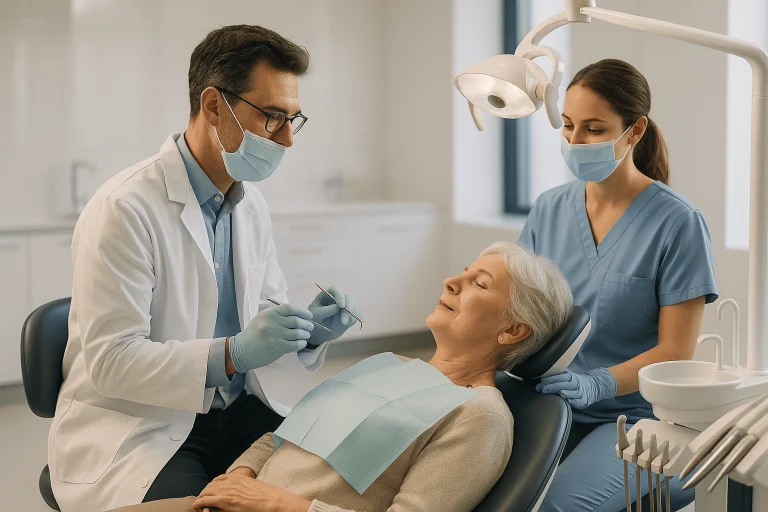
Doctors who treat it
12 in total Alen Palancıoğlu, DDS
Oral Dental & Maxillofacial Surgery
Alen Palancıoğlu, DDS
Oral Dental & Maxillofacial Surgery
 Zeynep Ezgi Akan, DDS
Oral & Dental Health
Zeynep Ezgi Akan, DDS
Oral & Dental Health
 Akif Aydın Şen, DDS
Oral & Dental Health
Akif Aydın Şen, DDS
Oral & Dental Health
 Alara Naz Kenir Çelik, DDS
Oral & Dental Health
Alara Naz Kenir Çelik, DDS
Oral & Dental Health
 Anıl Ayvat, DDS
Oral & Dental Health
Anıl Ayvat, DDS
Oral & Dental Health
 Anıl Yavuzyılmaz, DDS
Oral & Dental Health
Anıl Yavuzyılmaz, DDS
Oral & Dental Health
 Ayşe Nur Gümüş, DDS
Oral & Dental Health
Ayşe Nur Gümüş, DDS
Oral & Dental Health
 Barış Konuk, DDS
Oral Dental & Maxillofacial Surgery
Barış Konuk, DDS
Oral Dental & Maxillofacial Surgery
 Berna Atıcı, DDS
Oral & Dental Health
Berna Atıcı, DDS
Oral & Dental Health
 Beyhan Kasapoğlu, DDS
Oral & Dental Health
BD
Bilge Baş, DDS
Oral & Dental Health
Beyhan Kasapoğlu, DDS
Oral & Dental Health
BD
Bilge Baş, DDS
Oral & Dental Health
 Cüneyt Işıker, DDS
Oral & Dental Health
Cüneyt Işıker, DDS
Oral & Dental Health
How can we help you today?
Send your diagnosis and reports — a senior specialist reviews them and replies.
Send my reportsMeet an Acıbadem specialist by secure video, before you travel.
Book a video visit