
Heart Palpitations
Overview Heart palpitations are sensations that make a person unusually aware of their heartbeat. The heart may feel like it is racing, pounding, fluttering, skipping beats, or beating irregularly. Palpitations can be felt in the…
- 6 sections
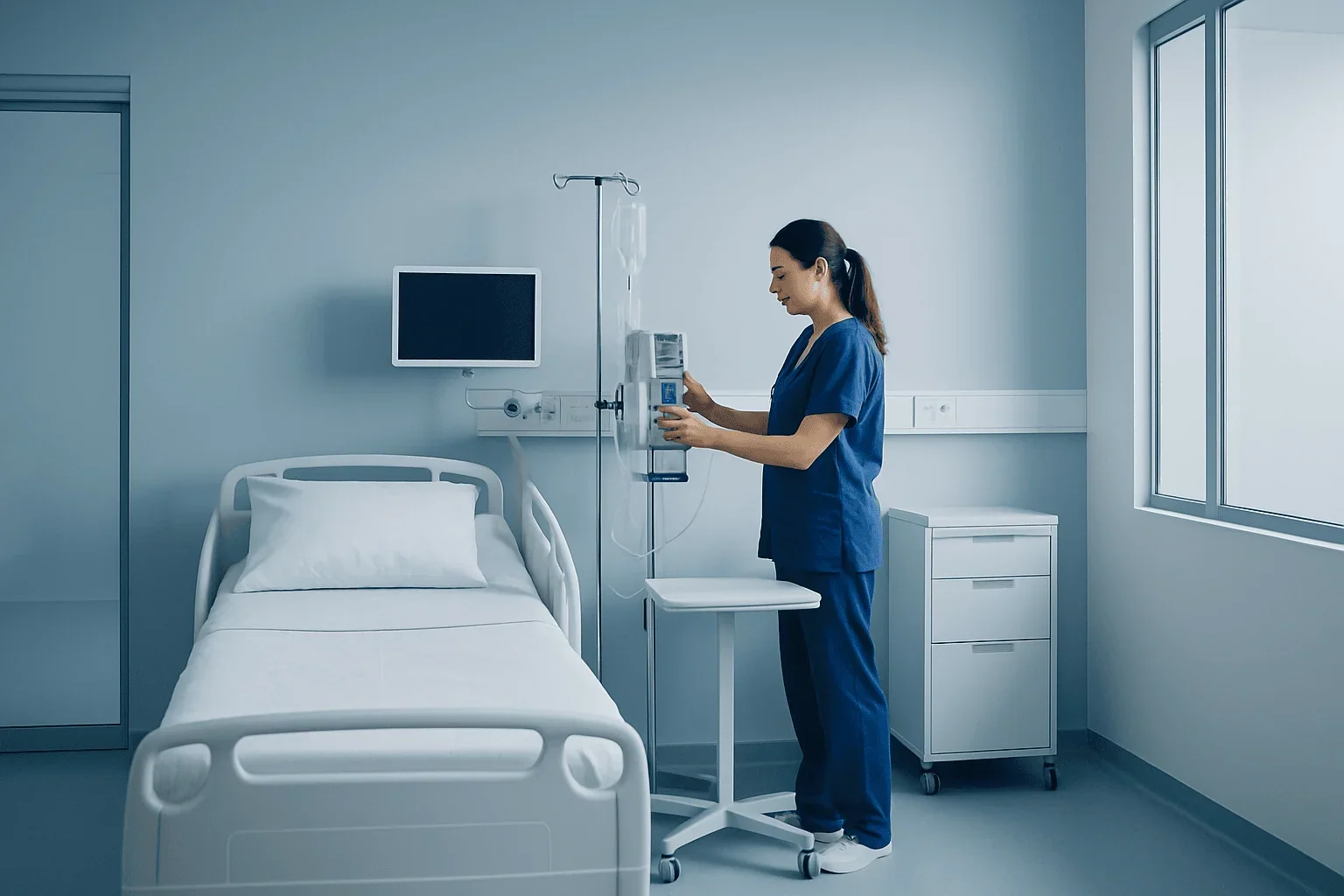
Heart palpitations are sensations of a fast, pounding, fluttering, or irregular heartbeat, often caused by stress, stimulants, hormonal changes, or an underlying heart rhythm problem. At Acibadem, evaluation focuses on identifying the cause with cardiac assessment and monitoring, and treatment depends on the findings, ranging from lifestyle measures and medication to procedures for arrhythmias when needed.
Overview
Heart palpitations are sensations that make a person unusually aware of their heartbeat. The heart may feel like it is racing, pounding, fluttering, skipping beats, or beating irregularly. Palpitations can be felt in the chest, throat, or neck. They may last for a few seconds or continue for longer periods.
Many episodes of palpitations are harmless and may be related to stress, exercise, caffeine, or lack of sleep. However, palpitations can sometimes be linked to heart rhythm problems or other medical conditions. For this reason, it is important to pay attention to when they happen, how long they last, and whether they occur with other symptoms.
International patients may find it helpful to know that evaluation of palpitations usually focuses on identifying whether the heartbeat is normal, too fast, too slow, or irregular, and whether an underlying cause needs medical attention.
Symptoms
Palpitations are described in different ways by different people. Common sensations include:
- A fast or racing heartbeat
- A pounding feeling in the chest
- A fluttering or “flip-flop” sensation
- A feeling that the heart has skipped a beat
- An irregular heartbeat
- Awareness of the heartbeat while resting or lying down
Palpitations may occur alone or with other symptoms. Symptoms that may be more concerning include dizziness, fainting, shortness of breath, chest discomfort, unusual sweating, weakness, or a feeling of tightness in the chest. Palpitations that begin suddenly, occur frequently, or happen during physical activity should be assessed by a healthcare professional.
Causes and Risk Factors
Palpitations can have many possible causes. Some are related to lifestyle or temporary body changes, while others are linked to medical conditions.
Common triggers may include:
- Emotional stress, anxiety, or panic
- Physical exertion
- Caffeine or energy drinks
- Alcohol intake
- Smoking or nicotine use
- Dehydration
- Lack of sleep
- Fever or illness
Some medical conditions can also contribute to palpitations. These may include thyroid disorders, anemia, low blood sugar, electrolyte imbalances, high blood pressure, heart valve problems, or heart rhythm disorders. Hormonal changes, such as those related to pregnancy or menopause, may also make palpitations more noticeable in some people.
Risk factors for clinically important palpitations may include a personal history of heart disease, previous heart surgery, a family history of certain heart rhythm problems, high blood pressure, or symptoms that occur during exercise. Certain medications and supplements can also affect the heartbeat, so patients should inform their doctor about everything they take.
Diagnosis
Diagnosis begins with a medical history and physical examination. The doctor may ask when the palpitations started, how often they occur, how long they last, what they feel like, and whether there are associated symptoms such as fainting or chest pain. Information about caffeine, alcohol, stress, sleep patterns, medical conditions, and medications is also important.
Tests may be recommended to better understand the heart rhythm and possible causes. These can include:
- Electrocardiogram, a quick test that records the electrical activity of the heart
- Ambulatory heart monitoring, which records heart rhythms over a longer period during daily activities
- Blood tests to check for issues such as thyroid function, anemia, or electrolyte imbalance
- Echocardiogram, an ultrasound test that shows the structure and function of the heart
- Exercise testing, if symptoms are related to physical activity
Because palpitations may not happen during a clinic visit, longer-term monitoring can be useful. The choice of tests depends on the patient’s symptoms, medical history, and examination findings.
Treatment Options
Treatment depends on the cause of the palpitations and whether they are associated with a heart rhythm disorder or another medical condition. If palpitations are related to lifestyle triggers, the doctor may recommend general measures such as reducing stimulant intake, improving sleep, managing stress, staying hydrated, and avoiding excessive alcohol. These recommendations should be individualized, especially for people with existing medical conditions.
If an underlying condition is found, treatment focuses on that condition. For example, management may involve addressing thyroid problems, anemia, blood pressure issues, or electrolyte imbalance. If a heart rhythm disorder is diagnosed, treatment options may include monitoring, medication, procedures to correct abnormal electrical pathways, or implanted devices in selected cases.
Not every case of palpitations requires active treatment. Some people may only need reassurance and periodic follow-up after serious causes have been excluded. Decisions should be made together with a qualified healthcare professional based on the patient’s overall health and test results.
When to See a Doctor
A medical evaluation is recommended if palpitations are new, frequent, worsening, or concerning to the patient. It is also important to seek care if palpitations occur with dizziness, fainting, shortness of breath, chest discomfort, or unusual fatigue.
Urgent medical attention is needed if palpitations are accompanied by chest pain, fainting, severe shortness of breath, confusion, or signs of a possible heart emergency. People with known heart disease, a history of heart rhythm problems, or a family history of sudden cardiac events should also seek prompt medical advice when palpitations occur.
Keeping a simple record of episodes can help the doctor. Useful details include the time of day, duration, activity at the time, possible triggers, and any associated symptoms. While palpitations are often not dangerous, proper assessment can help identify the cause and guide safe, appropriate care.
Care at Acıbadem
1 in total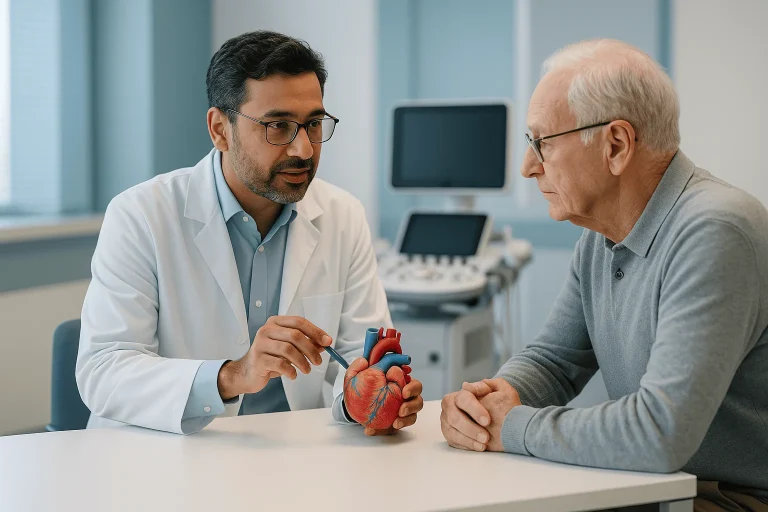
Doctors who treat it
12 in total Prof. Ahmet Tulga Ulus, MD
Cardiovascular Surgery
Prof. Ahmet Tulga Ulus, MD
Cardiovascular Surgery
 Prof. Ahmet Ümit Güllü, MD
Cardiopulmonary Rehabilitation
Prof. Ahmet Ümit Güllü, MD
Cardiopulmonary Rehabilitation
 Prof. Bülent Kısacıkoğlu, MD
Cardiopulmonary Rehabilitation
Prof. Bülent Kısacıkoğlu, MD
Cardiopulmonary Rehabilitation
 Prof. Cem Alhan, MD
Cardiovascular Surgery
Prof. Cem Alhan, MD
Cardiovascular Surgery
 Prof. Ersin Erek, MD
Cardiovascular Surgery
Prof. Ersin Erek, MD
Cardiovascular Surgery
 Prof. Eyüp Murat Ökten, MD
Cardiovascular Surgery
Prof. Eyüp Murat Ökten, MD
Cardiovascular Surgery
 Prof. Fuat Bilgen, MD
Cardiovascular Surgery
Prof. Fuat Bilgen, MD
Cardiovascular Surgery
 Prof. Hayati Özkan, MD
Cardiovascular Surgery
Prof. Hayati Özkan, MD
Cardiovascular Surgery
 Prof. Mehmet Özkan, MD
Cardiovascular Surgery
Prof. Mehmet Özkan, MD
Cardiovascular Surgery
 Prof. Rıza Türköz, MD
Cardiovascular Surgery
Prof. Rıza Türköz, MD
Cardiovascular Surgery
 Prof. Tayyar Sarioğlu, MD
Cardiovascular Surgery
Prof. Tayyar Sarioğlu, MD
Cardiovascular Surgery
 Prof. Öner Gülcan, MD
Cardiopulmonary Rehabilitation
Prof. Öner Gülcan, MD
Cardiopulmonary Rehabilitation
How can we help you today?
Send your diagnosis and reports — a senior specialist reviews them and replies.
Send my reportsMeet an Acıbadem specialist by secure video, before you travel.
Book a video visit