
Esophagitis
Overview Esophagitis is inflammation of the esophagus, the muscular tube that carries food and liquids from the mouth to the stomach. When the lining of the esophagus becomes irritated or injured, swallowing may feel painful…
- 10 sections

Esophagitis is inflammation of the esophagus, often caused by acid reflux, infection, allergy, or irritation from medicines, and it can lead to pain, swallowing difficulty, and heartburn. At Acibadem in Turkey, evaluation focuses on identifying the cause with gastroenterology assessment and appropriate tests, and treatment may include medication, dietary measures, and management of the underlying condition.
Overview
Esophagitis is inflammation of the esophagus, the muscular tube that carries food and liquids from the mouth to the stomach. When the lining of the esophagus becomes irritated or injured, swallowing may feel painful or difficult, and symptoms such as heartburn or chest discomfort can occur.
Esophagitis can have several causes, including stomach acid flowing back into the esophagus, certain medicines, infections, allergies, or irritation from foods and drinks. In many cases, the condition can improve with appropriate medical care and changes that reduce irritation. However, untreated or repeated inflammation may lead to complications such as narrowing of the esophagus, bleeding, ulcers, or scarring.
Because symptoms of esophagitis can resemble other conditions, including heart-related chest pain, it is important to seek medical evaluation when symptoms are persistent, severe, or new.
Symptoms
Symptoms can vary depending on the cause and severity of the inflammation. Some people have mild discomfort, while others may find swallowing difficult or painful.
- Heartburn or a burning sensation behind the breastbone
- Pain or discomfort when swallowing
- Difficulty swallowing, or a feeling that food is stuck
- Chest pain, especially after eating
- Acid or bitter-tasting fluid coming back into the throat or mouth
- Nausea or reduced appetite
- Sore throat, hoarseness, or cough, especially if reflux is present
- Vomiting or, less commonly, vomiting blood
In children and infants, symptoms may be less specific. They may include feeding difficulties, irritability during meals, poor weight gain, vomiting, or refusal to eat.
Causes and Risk Factors
Esophagitis develops when the lining of the esophagus is exposed to irritation, injury, infection, or an immune reaction. The most common causes include reflux-related inflammation, medication-related irritation, infection, and allergic inflammation.
Reflux-related esophagitis
This occurs when stomach contents, including acid, flow backward into the esophagus. This backward flow can irritate the lining over time. Factors that may increase reflux include being overweight, pregnancy, smoking, large or late meals, certain foods and drinks, and a weakened barrier between the stomach and esophagus.
Medication-related esophagitis
Some tablets or capsules can irritate the esophagus if they remain in contact with its lining for too long. This may happen when medicines are taken without enough fluid or just before lying down. A healthcare professional can review current medicines if this cause is suspected.
Infectious esophagitis
Infections of the esophagus are more likely in people with weakened immune systems, such as those receiving certain treatments, living with immune-related conditions, or recovering from serious illness. Infections may be caused by fungi, viruses, or other organisms.
Eosinophilic esophagitis
This is an allergic or immune-related condition in which certain white blood cells build up in the esophagus. It may be linked with food triggers, environmental allergies, asthma, or eczema. It can cause repeated swallowing problems or food getting stuck.
Diagnosis
A doctor will begin by asking about symptoms, medical history, eating habits, current medicines, allergies, and any previous digestive problems. A physical examination may also be performed.
Depending on the situation, diagnostic tests may be recommended. An upper endoscopy is a common test in which a thin, flexible tube with a camera is used to look inside the esophagus, stomach, and the beginning of the small intestine. During this procedure, small tissue samples may be taken for laboratory examination. This can help identify inflammation, infection, allergic changes, or other causes.
Other tests may include imaging studies to assess swallowing and the shape of the esophagus, or tests that measure acid exposure in the esophagus. These tests are selected based on the patient’s symptoms and the doctor’s clinical judgment.
Treatment Options
Treatment depends on the cause of esophagitis and the severity of symptoms. The main goals are to reduce inflammation, relieve symptoms, heal the esophageal lining, and prevent recurrence or complications.
For reflux-related esophagitis, treatment may include lifestyle adjustments and medicines that reduce acid or protect the lining of the esophagus. Helpful general measures may include avoiding known food triggers, not eating close to bedtime, maintaining a healthy weight, and stopping smoking. A healthcare professional can provide individualized guidance.
If esophagitis is related to a medicine, the doctor may adjust how it is taken or consider alternatives when appropriate. Patients should not stop or change prescribed medicines without medical advice.
Infectious esophagitis is treated according to the type of infection and the patient’s overall health. Eosinophilic esophagitis may require dietary management, allergy assessment, and anti-inflammatory treatment under specialist supervision.
When narrowing of the esophagus has developed, additional procedures may sometimes be needed to improve swallowing. The treatment plan is personalized and may involve a gastroenterologist, dietitian, allergist, or other specialists depending on the underlying cause.
When to See a Doctor
Medical evaluation is recommended if heartburn, swallowing pain, or swallowing difficulty lasts more than a short time, returns frequently, or affects eating and daily life. People with known reflux disease should also seek care if symptoms change or do not respond to usual medical advice.
Seek urgent medical attention if you have severe chest pain, chest pain with shortness of breath, sweating, dizziness, or pain spreading to the arm, jaw, neck, or back. These symptoms may indicate a heart-related emergency and should not be assumed to be digestive in origin.
Prompt care is also important for vomiting blood, black stools, persistent vomiting, inability to swallow liquids, unexplained weight loss, dehydration, or food stuck in the esophagus. Early evaluation helps identify the cause and supports safer, more effective management.
Care at Acıbadem
1 in total
Doctors who treat it
12 in total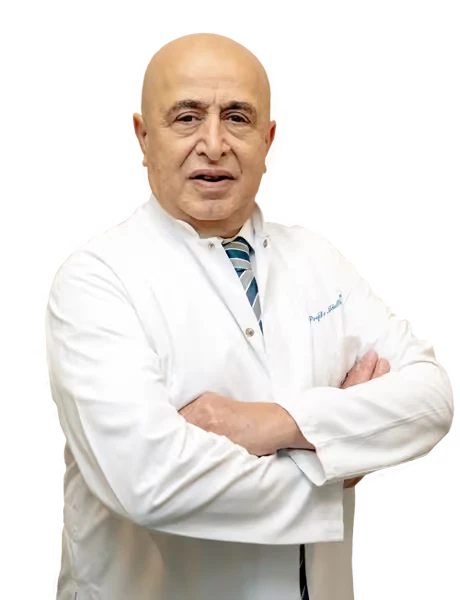 Prof. Abdullah Zorluoğlu, MD
Digestive System Diseases and Surgery
Prof. Abdullah Zorluoğlu, MD
Digestive System Diseases and Surgery
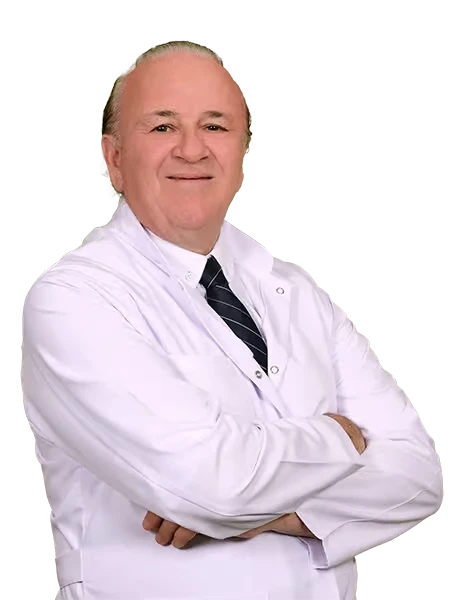 Prof. Ahmet Alponat, MD
Digestive System Diseases and Surgery
Prof. Ahmet Alponat, MD
Digestive System Diseases and Surgery
 Prof. Ali Akyüz, MD
Digestive System Diseases and Surgery
Prof. Ali Akyüz, MD
Digestive System Diseases and Surgery
 Prof. Aykut Soyder, MD
Endocrine Surgery
Prof. Aykut Soyder, MD
Endocrine Surgery
 Prof. Bilgi Baca, MD
Endocrine Surgery
Prof. Bilgi Baca, MD
Endocrine Surgery
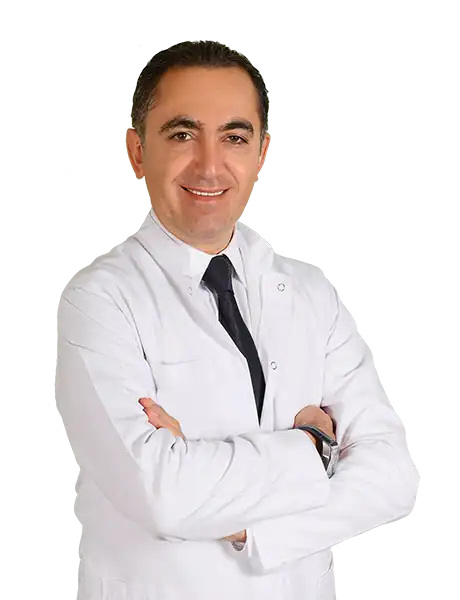 Prof. Can Küçük, MD
General Surgery
Prof. Can Küçük, MD
General Surgery
 Prof. Cihan Uras, MD
Endocrine Surgery
Prof. Cihan Uras, MD
Endocrine Surgery
 Prof. Cihan Yıldırır, MD
General Surgery
Prof. Cihan Yıldırır, MD
General Surgery
 Prof. Fatih Ata Genç, MD
General Surgery
Prof. Fatih Ata Genç, MD
General Surgery
 Prof. Fatih Aydoğan, MD
General Surgery
Prof. Fatih Aydoğan, MD
General Surgery
 Prof. Fikret Aksoy, MD
General Surgery
Prof. Fikret Aksoy, MD
General Surgery
 Prof. Güralp Onur Ceyhan, MD
Digestive System Diseases and Surgery
Prof. Güralp Onur Ceyhan, MD
Digestive System Diseases and Surgery
How can we help you today?
Send your diagnosis and reports — a senior specialist reviews them and replies.
Send my reportsMeet an Acıbadem specialist by secure video, before you travel.
Book a video visit