
Endometrial Cancer
Overview Endometrial cancer is a cancer that begins in the endometrium, the inner lining of the uterus. The uterus is the organ in the pelvis where a pregnancy can develop. Endometrial cancer is different from…
- 6 sections

Endometrial cancer is a cancer that starts in the lining of the uterus, often causing abnormal vaginal bleeding and requiring prompt gynecologic evaluation. Treatment depends on the cancer’s type and stage and may include surgery, radiation therapy, chemotherapy, hormone therapy, or targeted approaches planned through multidisciplinary assessment at Acibadem in Turkey.
Overview
Endometrial cancer is a cancer that begins in the endometrium, the inner lining of the uterus. The uterus is the organ in the pelvis where a pregnancy can develop. Endometrial cancer is different from cervical cancer, which starts in the lower part of the uterus called the cervix.
This type of cancer is often found at an earlier stage because it commonly causes abnormal vaginal bleeding. However, symptoms can have many causes, and only a medical evaluation can determine the reason. With timely diagnosis and appropriate care, many patients can receive effective treatment tailored to the type and stage of the cancer, as well as their overall health and personal needs.
Symptoms
The most common symptom of endometrial cancer is abnormal vaginal bleeding. This may appear differently depending on age and whether a person has gone through menopause.
- Vaginal bleeding or spotting after menopause
- Bleeding between menstrual periods
- Periods that are heavier, longer, or more irregular than usual
- Watery, pink, or brown vaginal discharge
- Pelvic pain or pressure
- Pain during sexual intercourse
- Unexplained weight loss or fatigue in more advanced cases
Postmenopausal bleeding should always be checked by a doctor, even if it is light or happens only once. Most cases of abnormal bleeding are not caused by cancer, but medical assessment is important.
Causes and Risk Factors
Endometrial cancer develops when cells in the lining of the uterus change and begin to grow in an uncontrolled way. The exact cause is not always known. In many cases, the condition is linked to long-term exposure of the endometrium to estrogen without enough balancing effect from progesterone, another hormone involved in the menstrual cycle.
Risk factors may include:
- Older age, especially after menopause
- Obesity, which can affect hormone levels
- Irregular ovulation or conditions that cause infrequent periods
- Starting menstruation at an early age or reaching menopause later than usual
- Never having been pregnant
- Certain hormone treatments or medical conditions that influence estrogen levels
- Type 2 diabetes or high blood pressure
- A personal or family history of certain inherited cancer syndromes
- A history of breast, ovarian, or colon cancer in some patients
Having one or more risk factors does not mean a person will develop endometrial cancer. Likewise, some people diagnosed with this cancer have no obvious risk factors.
Diagnosis
Diagnosis begins with a discussion of symptoms, menstrual and menopause history, medical conditions, medications, and family history. A pelvic examination may be performed to check the uterus, cervix, vagina, and nearby organs.
Tests that may be used include:
- Transvaginal ultrasound to assess the thickness and appearance of the uterine lining
- Endometrial biopsy, in which a small sample of the uterine lining is taken for laboratory examination
- Hysteroscopy, where a thin camera is used to view the inside of the uterus
- Dilation and curettage, a procedure to collect tissue from the uterine lining when more sampling is needed
- Imaging tests, such as ultrasound, MRI, CT, or other scans, to evaluate whether cancer has spread
If cancer is confirmed, the medical team determines the type, grade, and stage. These factors help guide treatment planning. Staging describes how far the cancer has grown or spread, while grading describes how the cancer cells look under a microscope.
Treatment Options
Treatment for endometrial cancer depends on the cancer stage and type, the patient’s general health, whether they have gone through menopause, and individual preferences. Care is usually planned by a team that may include gynecologic oncologists, medical oncologists, radiation oncologists, radiologists, pathologists, and specialist nurses.
Common treatment approaches include:
- Surgery: This is often the main treatment. It may involve removing the uterus and cervix, and sometimes the ovaries, fallopian tubes, and nearby lymph nodes, depending on the situation.
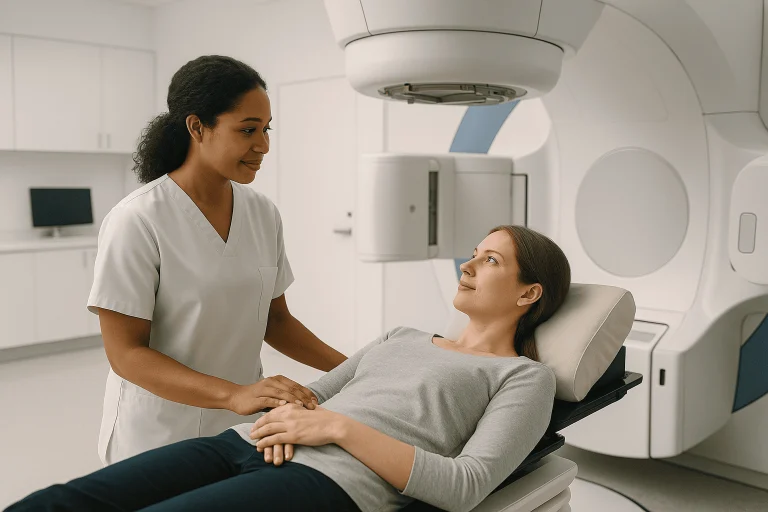
- Radiation therapy: High-energy radiation may be used to treat the pelvis or a specific area, either after surgery or in selected cases where surgery is not suitable.
- Systemic therapy: Treatments that travel through the bloodstream may be recommended for certain stages or cancer types. These can include chemotherapy, hormone-based therapy, immunotherapy, or targeted therapy, depending on tumor features.
- Fertility-preserving management: In carefully selected early cases, some patients who wish to become pregnant may discuss non-surgical options with a specialist. This requires close monitoring and is not suitable for everyone.
Supportive care is also important. It may include help with pain, nutrition, emotional wellbeing, sexual health, menopause-related symptoms, and recovery after treatment. Follow-up visits are used to monitor recovery, check for signs of recurrence, and address long-term effects.
When to See a Doctor
Seek medical advice if you notice any unusual vaginal bleeding, especially bleeding after menopause. You should also contact a doctor if you have persistent pelvic pain, unusual vaginal discharge, bleeding between periods, or periods that become significantly heavier or more irregular than usual.
Urgent medical attention is recommended for heavy bleeding, dizziness, fainting, severe pelvic pain, or symptoms that worsen quickly. Early evaluation can help identify the cause and ensure that appropriate care is started when needed.
If you have a strong family history of uterine, colon, ovarian, or related cancers, consider discussing your personal risk with a healthcare professional. They can advise whether genetic counseling or additional monitoring may be appropriate.
Care at Acıbadem
4 in total


Doctors who treat it
12 in total Prof. Abdullah Büyükçelik, MD
Medical Oncology
Prof. Abdullah Büyükçelik, MD
Medical Oncology
 Prof. Ali Arıcan, MD
Medical Oncology
Prof. Ali Arıcan, MD
Medical Oncology
 Prof. Aziz Yazar, MD
Medical Oncology
Prof. Aziz Yazar, MD
Medical Oncology
 Prof. Başak Oyan Uluç, MD
Medical Oncology
Prof. Başak Oyan Uluç, MD
Medical Oncology
 Prof. Bülent Karabulut, MD
Medical Oncology
Prof. Bülent Karabulut, MD
Medical Oncology
 Prof. Ersin Özaslan, MD
Medical Oncology
Prof. Ersin Özaslan, MD
Medical Oncology
 Prof. Faysal Dane, MD
Medical Oncology
Prof. Faysal Dane, MD
Medical Oncology
 Prof. Gökhan Demir, MD
Medical Oncology
Prof. Gökhan Demir, MD
Medical Oncology
 Prof. Gül Başaran, MD
Medical Oncology
Prof. Gül Başaran, MD
Medical Oncology
 Prof. Handan Onur Topuzlu, MD
Medical Oncology
Prof. Handan Onur Topuzlu, MD
Medical Oncology
 Prof. Hüseyin Engin, MD
Medical Oncology
Prof. Hüseyin Engin, MD
Medical Oncology
 Prof. Nur Olgun, MD
Pediatric Oncology
Prof. Nur Olgun, MD
Pediatric Oncology
How can we help you today?
Send your diagnosis and reports — a senior specialist reviews them and replies.
Send my reportsMeet an Acıbadem specialist by secure video, before you travel.
Book a video visit