
Cushing’s Syndrome
Overview Cushing’s syndrome is a hormonal condition that occurs when the body is exposed to too much cortisol for a long period of time. Cortisol is a hormone made by the adrenal glands, which sit…
- 6 sections

Cushing’s syndrome is a hormonal disorder caused by prolonged exposure to high cortisol levels, leading to symptoms such as weight gain, high blood pressure, muscle weakness, and changes in the skin and mood. At Acibadem in Turkey, evaluation focuses on identifying the source of excess cortisol with endocrine testing and imaging, and treatment may include medication, surgery, radiation therapy, or…
Overview
Cushing’s syndrome is a hormonal condition that occurs when the body is exposed to too much cortisol for a long period of time. Cortisol is a hormone made by the adrenal glands, which sit above the kidneys. It helps the body respond to stress, maintain blood pressure, regulate blood sugar, and support many other important functions.
In Cushing’s syndrome, cortisol levels are higher than the body needs. This can affect the skin, muscles, bones, metabolism, mood, and the immune system. The condition can develop gradually, and its signs may be mistaken for other health issues. With proper evaluation by an endocrinology specialist, the cause can often be identified and managed with an individualized treatment plan.
Symptoms
Symptoms of Cushing’s syndrome can vary from person to person. Some people have mild changes, while others develop more noticeable physical and emotional symptoms. Common features may include:
- Weight gain, especially around the abdomen, chest, upper back, and face
- A rounded or fuller-looking face
- A fatty area between the shoulders or at the upper back
- Thin skin that bruises easily
- Wide purple or reddish stretch marks, often on the abdomen, thighs, breasts, or arms
- Slow healing of cuts, wounds, or infections
- Muscle weakness, especially in the upper arms and thighs
- Tiredness and reduced energy
- High blood pressure or high blood sugar
- Bone thinning, which may increase the risk of fractures
- Mood changes such as irritability, anxiety, or low mood
- Irregular menstrual periods in women
- Increased facial or body hair in women
- Reduced fertility or reduced sex drive
Because many of these symptoms can have other causes, medical testing is needed to confirm whether excess cortisol is present.
Causes and Risk Factors
Cushing’s syndrome may be caused by factors outside the body or by the body producing too much cortisol. One of the most common causes is long-term use of corticosteroid medicines, which may be prescribed for inflammatory, autoimmune, allergic, or other medical conditions. These medicines can be very important for treatment, but prolonged or high exposure may lead to features of Cushing’s syndrome in some people.
When the body itself produces too much cortisol, the cause may involve the pituitary gland, adrenal glands, or, less commonly, another tumor that produces hormone signals. The pituitary gland is a small gland at the base of the brain that helps control cortisol production. A pituitary growth can cause the adrenal glands to make excess cortisol. Adrenal gland tumors may also produce cortisol directly.
Risk factors may include long-term corticosteroid treatment, certain endocrine tumors, and a personal or family history of rare hormone-related conditions. However, many cases occur without a clear inherited risk.
Diagnosis
Diagnosing Cushing’s syndrome requires careful medical assessment because symptoms can overlap with many other conditions. An endocrinologist will usually begin by reviewing symptoms, medical history, current and past medicines, and performing a physical examination.
Laboratory tests are used to measure cortisol levels and to see whether cortisol is being regulated normally. These may include urine, blood, or saliva tests collected at specific times. In some cases, additional hormone tests are needed to understand whether the pituitary gland, adrenal glands, or another source is involved.
If tests suggest that the body is producing too much cortisol, imaging studies may be recommended. These can help doctors look at the pituitary gland, adrenal glands, or other areas when appropriate. Diagnosis often requires more than one test, and results are interpreted together with the clinical picture.
Treatment Options
Treatment depends on the cause of excess cortisol, the severity of symptoms, and the patient’s overall health. The goal is to reduce cortisol exposure safely and manage complications such as high blood pressure, high blood sugar, bone thinning, or infections.
If Cushing’s syndrome is related to corticosteroid medicine, the prescribing doctor may adjust the treatment plan. It is important that these medicines are not stopped suddenly without medical supervision, because the body may need time to recover normal cortisol production.
If the cause is a tumor or growth that produces excess cortisol or hormone signals, surgery may be considered. The type of operation depends on the location of the problem, such as the pituitary gland or adrenal gland. In selected cases, radiation therapy or medicines that help control cortisol production may be recommended. Some patients may need long-term follow-up to monitor hormone levels and overall health.
Supportive care can also be important. This may include management of blood pressure, blood sugar, bone health, nutrition, physical strength, and emotional wellbeing. Recovery can take time because the body must readjust to more normal hormone levels.
When to See a Doctor
People should seek medical evaluation if they notice a combination of symptoms such as unexplained weight gain in the trunk or face, easy bruising, purple stretch marks, muscle weakness, high blood pressure, high blood sugar, or changes in mood and energy. These symptoms do not always mean Cushing’s syndrome, but they should be assessed by a healthcare professional.
Anyone taking corticosteroid medicines for a long period should attend regular follow-up appointments and discuss any new physical changes with their doctor. Medicine changes should only be made with medical guidance.
Urgent medical attention is advised if there are severe symptoms such as confusion, severe weakness, signs of serious infection, chest pain, or very high blood pressure symptoms. Early evaluation can help identify the cause of hormonal imbalance and guide appropriate care.
Care at Acıbadem
1 in total
Doctors who treat it
12 in total Prof. Abdullah Büyükçelik, MD
Medical Oncology
Prof. Abdullah Büyükçelik, MD
Medical Oncology
 Prof. Ali Arıcan, MD
Medical Oncology
Prof. Ali Arıcan, MD
Medical Oncology
 Prof. Aziz Yazar, MD
Medical Oncology
Prof. Aziz Yazar, MD
Medical Oncology
 Prof. Başak Oyan Uluç, MD
Medical Oncology
Prof. Başak Oyan Uluç, MD
Medical Oncology
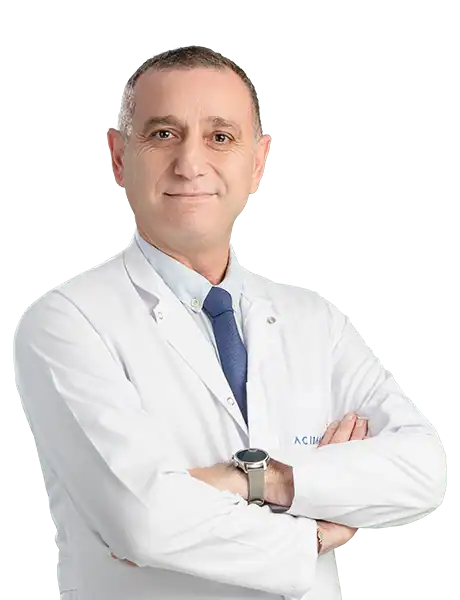 Prof. Bülent Karabulut, MD
Medical Oncology
Prof. Bülent Karabulut, MD
Medical Oncology
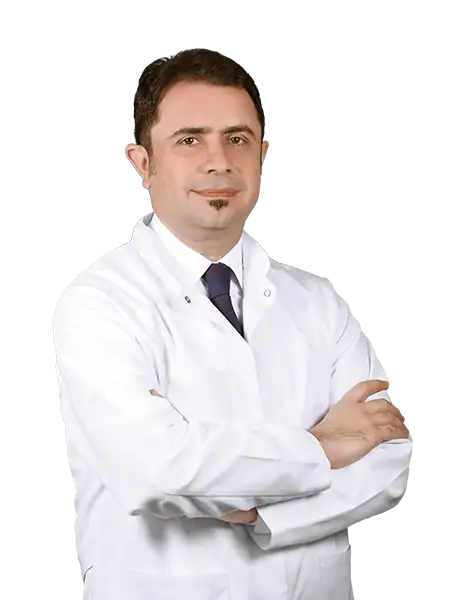 Prof. Deniz Gökalp, MD
Internal Medicine
Prof. Deniz Gökalp, MD
Internal Medicine
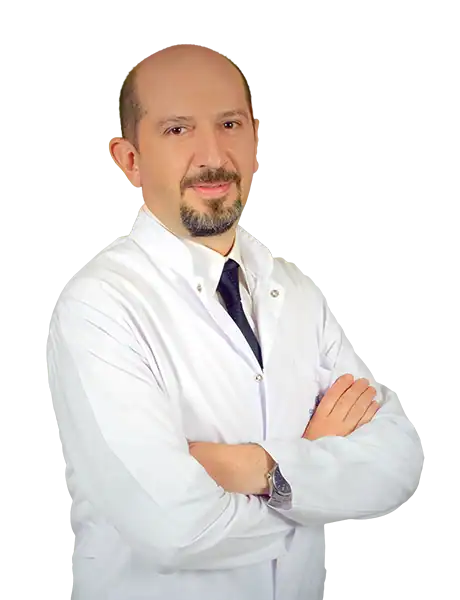 Prof. Emre Bozkırlı, MD
Endocrinology
Prof. Emre Bozkırlı, MD
Endocrinology
 Prof. Ender Arıkan, MD
Endocrinology
Prof. Ender Arıkan, MD
Endocrinology
 Prof. Ersin Özaslan, MD
Medical Oncology
Prof. Ersin Özaslan, MD
Medical Oncology
 Prof. Esra Nur Ademoğlu Dilekçi, MD
Endocrinology
Prof. Esra Nur Ademoğlu Dilekçi, MD
Endocrinology
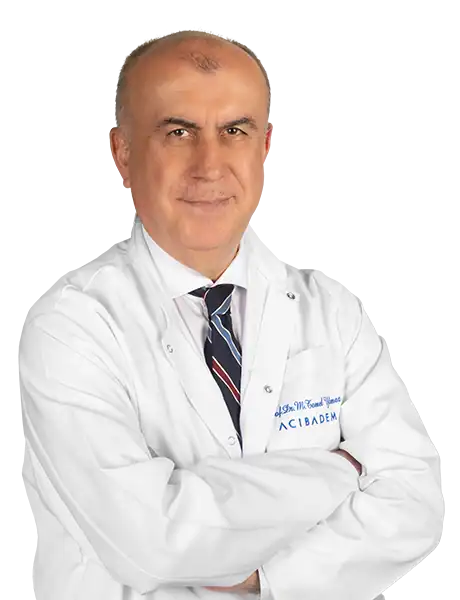 Prof. Mehmet Temel Yılmaz, MD
Endocrinology
Prof. Mehmet Temel Yılmaz, MD
Endocrinology
 Prof. Mehtap Çakır, MD
Endocrinology
Prof. Mehtap Çakır, MD
Endocrinology
How can we help you today?
Send your diagnosis and reports — a senior specialist reviews them and replies.
Send my reportsMeet an Acıbadem specialist by secure video, before you travel.
Book a video visit