
Always Young Men (+65) Check Up Program
49 tests and assessments in one organised hospital visit — a preventive program for adults over 65 who want an age-appropriate preventive assessment, at JCI-accredited Acıbadem hospitals in Türkiye.
- 49 tests & assessments
- One organised visit
- JCI-accredited hospitals
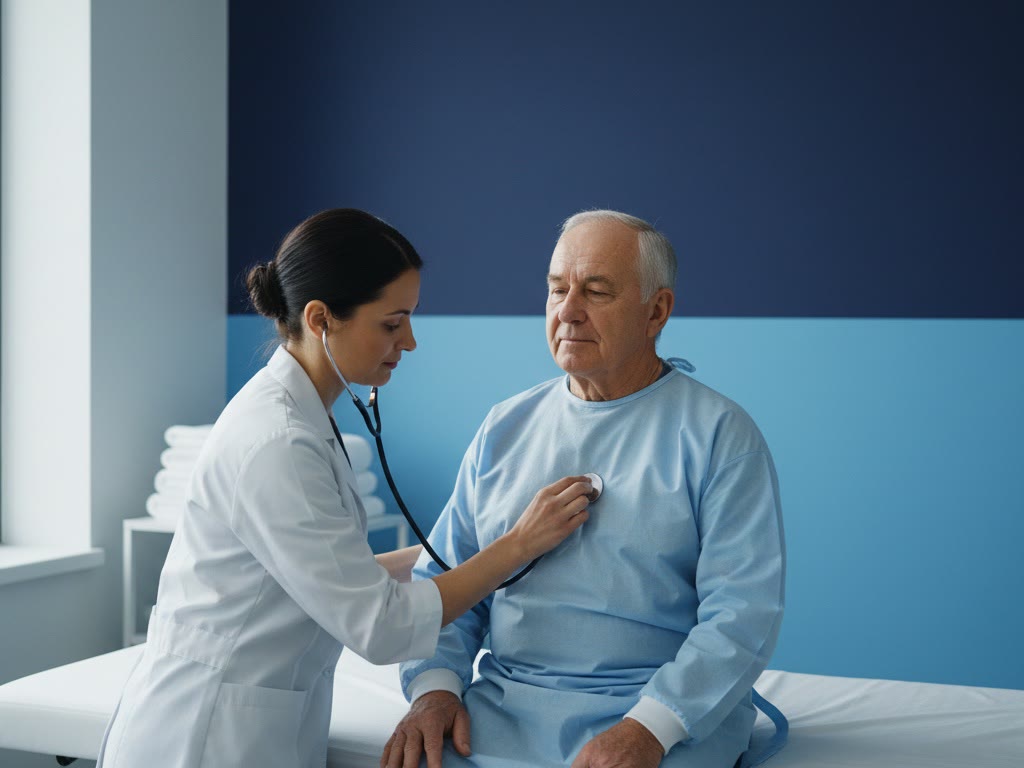
Who is this program for?
This program is designed for adults over 65. Its content reflects the areas physicians most often monitor with age — heart and circulation, bone and joint health, vision, memory and the routine laboratory picture — brought together in one organised visit.
The pace of the day is planned with older guests in mind, with an escort between departments. Every result is explained by a physician in plain language, and a written summary makes it easy to share the findings with your own doctor at home.
A check-up does not replace medical care for existing symptoms — if you have a specific complaint, tell our team so the right specialist can advise you first.
Tests & examinations, item by item
The complete content of this program — published openly, so you can see exactly what is covered before you book.
Examinations 3
- Check-Up Examination General check-up assessment and review of results by a physician.
- Urology Examination Specialist check of the urinary tract and male reproductive health.
- Geriatrics Examination Specialist health assessment focused on older age.
Radiological Examinations 6
- Chest X-Ray (Posteroanterior) Front-view X-ray of the lungs and chest.
- Thyroid Ultrasound Ultrasound of thyroid size, structure and nodules.
- Whole Abdomen Ultrasound Ultrasound survey of all abdominal organs.
- Carotid Doppler Ultrasound Neck-artery scan for narrowing and stroke risk.
- Bone Mineral Density Measurement (Femur) Bone-density scan (hip) to assess osteoporosis risk.
- Bone Mineral Density Measurement (Lumbar AP + Lateral) Bone-density scan (spine) to assess osteoporosis risk.
Laboratory Tests 38
- Albumin Liver-made protein reflecting nutrition and fluid balance.
- Alkaline Phosphatase (ALP) Enzyme reflecting liver and bone health.
- ALT (SGPT) Liver enzyme reflecting liver-cell health.
- AST (SGOT) Enzyme reflecting liver and muscle health.
- Iron Blood iron level.
- Iron Binding Capacity Capacity of blood to bind and transport iron.
- Ferritin Iron-store marker for anaemia assessment.
- Folate (Folic Acid) Vitamin for blood production and cell renewal.
- Phosphorus (Inorganic) Phosphorus level for bone and energy metabolism.
- Stool Occult Blood Detects hidden blood in stool (bowel-cancer screen).
- Gamma-Glutamyl Transferase (GGT) Enzyme reflecting liver and bile-duct health.
- Glucose (Fasting) Fasting blood sugar to screen for diabetes.
- HbA1c (Hemoglobin A1c) Three-month average blood sugar level.
- Calcium (Ca) Calcium level for bones, muscle and nerves.
- HDL Cholesterol 'Good' cholesterol that protects the heart.
- LDL Cholesterol (Direct) 'Bad' cholesterol that raises cardiovascular risk.
- Total Cholesterol Total blood cholesterol level.
- Creatinine Marker of kidney filtering function.
- LDH (Lactate Dehydrogenase) General tissue-damage marker enzyme.
- Magnesium Magnesium level for muscle and nerve function.
- Microalbumin (Spot Urine) Early marker of kidney stress.
- Potassium Potassium electrolyte level.
- Protein (Total) Total blood protein level.
- Sodium (Na) Sodium electrolyte level.
- Urinalysis (Complete) Screens urine for infection, kidney and metabolic issues.
- Blood Urea Nitrogen (BUN) Kidney-function and hydration marker.
- Uric Acid Marker for gout and kidney function.
- Vitamin B12 Vitamin vital for nerves and blood formation.
- Vitamin D (25-OH) Vitamin D status for bone and immune health.
- Erythrocyte Sedimentation Rate (ESR) General inflammation marker.
- Complete Blood Count (Hemogram) Screens for anaemia, infection and blood disorders.
- Thyroid Stimulating Hormone (TSH) Assesses thyroid gland function.
- CA 19-9 Marker for digestive-system cancers.
- CA 72-4 Marker used for stomach and ovarian cancers.
- CEA (Carcinoembryonic Antigen) Follow-up marker, especially for bowel cancer.
- PSA (Total) Total prostate-specific antigen; prostate health/cancer marker.
- PSA (Free) Free prostate-specific antigen; refines prostate-cancer risk.
- Lipid Panel Combined cholesterol and triglyceride profile.
Cardiological Examinations 2
- Electrocardiogram (ECG / EKG) Records the heart's electrical activity and rhythm.
- Echocardiography Heart ultrasound assessing structure, valves and pumping function.
How your check-up day works
-
Book & prepare
Choose a date, receive a written quote and clear personal preparation instructions (fasting, medication timing) before you arrive.
-
One organised visit
A coordinator plans your day so laboratory, imaging and specialist examinations follow each other without long waits — with an interpreter if needed.
-
Physician review
A physician goes through your results with you in plain language and answers your questions.
-
Written report & follow-up
You leave with a written report in English to share with your own doctor, and remote follow-up is available once you are home.
About this program
The check-up for men over 65 at Acibadem — the Always Young Men (+65) program — is an age-appropriate preventive assessment: 49 tests and assessments, paced for older guests, at a JCI-accredited hospital in Istanbul.
The Always Young Men (+65) Check-Up Program is designed around the questions that matter most after 65: heart and vascular health, bone strength, prostate and kidney health, memory and mobility. A geriatrics examination joins the internal-medicine and urology examinations; bone mineral density is measured at the hip and the lumbar spine; carotid Doppler, echocardiography and a resting ECG assess the heart and the arteries to the brain; thyroid and whole-abdomen ultrasound and a chest X-ray complete the imaging.
The 38-test laboratory panel adds HbA1c, urinary microalbumin, vitamin B12 and vitamin D — all important after 65 — total and free PSA, and the tumour markers CA 19-9, CA 72-4 and CEA that the physician reads together with the examinations. The day is paced for older guests, with an escort between departments and a companion welcome throughout.
What the check-up for men over 65 looks for
Every item has a purpose. This is what each part of the day is looking for — in the words we would use to explain it to you at the final review.
Specialist examinations
The check-up (internal medicine) examination opens and closes the day: history, physical examination and the final review of every result. The geriatrics examination reviews memory, mobility, balance, medications and fall risk — the areas that matter most for staying independent. The urology examination covers prostate, bladder and kidney health and is read together with the PSA results.
Imaging
A chest X-ray gives a baseline view of the lungs and the heart silhouette. Thyroid ultrasound looks for nodules and structural change, read together with the thyroid blood tests. A whole-abdomen ultrasound surveys the liver, gallbladder, pancreas, spleen, kidneys and bladder for stones, cysts, fatty liver and masses. Carotid Doppler ultrasound checks the neck arteries for plaque and narrowing — an early window on vascular ageing and stroke risk. Bone mineral density (DXA of the hip and lumbar spine) measures bone strength to detect osteopenia and osteoporosis before a first fracture.
Heart
A resting ECG records heart rhythm and electrical conduction. Echocardiography images the heart’s chambers, valves and pumping function.
Laboratory panel (38 tests)
A complete blood count screens for anaemia, infection and abnormalities of the blood cells. Inflammation markers (erythrocyte sedimentation rate) point to hidden inflammation; high-sensitivity CRP is also read as an additional cardiovascular risk marker. Sugar metabolism is assessed with fasting glucose and HbA1c, the basis for detecting pre-diabetes and type 2 diabetes early; HbA1c reflects the average blood sugar of the previous two to three months. The lipid profile (total, LDL and HDL cholesterol and triglycerides) is the core of cardiovascular risk assessment. Liver enzymes (ALP, ALT, AST, GGT) with albumin and total protein look for fatty liver, medication effects or viral injury before any symptoms appear. Kidney function (creatinine, blood urea nitrogen, electrolytes) with a complete urinalysis and urinary microalbumin, an early sign of kidney strain from diabetes or high blood pressure, screens for early kidney disease and urinary infection; uric acid adds gout and metabolic risk.
Thyroid function (TSH) detects an under- or over-active thyroid, which is common, often silent and usually straightforward to treat. Iron studies, vitamin B12, folate, vitamin D and the minerals magnesium, calcium and phosphorus explain fatigue, anaemia and bone-health risks that are easy to correct once they are known. A stool occult-blood test is a first-line screen for bowel cancer and bleeding polyps. Tumour markers (CA 19-9, CA 72-4, CEA) are supporting signals interpreted together with the examinations and imaging — they are not stand-alone cancer tests, and a raised value leads to a targeted follow-up rather than a diagnosis. Total and free PSA contribute to prostate assessment together with the urology examination; they are performed for men over 40 on the physician’s recommendation. LDH is a general tissue-turnover marker read in context with the rest of the panel.
Who should consider the check-up for men over 65
- Men over 65 who want an age-appropriate preventive assessment rather than a program designed for younger adults.
- Men with urinary symptoms, a raised PSA in the past, or a family history of prostate cancer.
- Men whose families want a structured review of memory, balance, medications and fall risk alongside the medical tests.
After 65 a yearly check-up is the usual rhythm, with the geriatrics review guiding what is repeated and what is not.
Every item of the check-up for men over 65 is listed on this page, so you can see exactly what is covered before you book. A written quote for the check-up for men over 65 is prepared before you travel, so there are no surprises on the day.
How it compares with the other programs
Compared with the Premium and Executive men’s programs, the 65+ program drops the treadmill stress test, sleep study and endoscopic procedures and adds the geriatrics examination and site-specific bone density measurement.
Related programs: Forever Young Woman (+65) Check-Up Program, Premium Men’s Check-Up Program — or browse all check-up packages and the Check-Up unit.
How long it takes
Plan for a full day of six to seven hours. A coordinator plans the sequence — laboratory first while you are fasting, then imaging and examinations — so that you move through the hospital without waiting, and stays reachable throughout the visit.
How to prepare
- Fasting. Do not eat for eight to ten hours before the appointment (an early start is planned so that blood is taken first). Plain water is usually allowed — confirm this with the team when your appointment is confirmed.
- Bone density. You may be asked to pause calcium supplements for 24 hours before the measurement; wear clothing without metal zips or buttons.
- Records and medicines. Bring previous reports, imaging and a complete list of your medicines. Take your usual medication unless the team tells you otherwise when confirming the appointment.
Results, report and follow-up
The large majority of laboratory results are ready the same day and are reviewed with you by the check-up physician before you leave; a written report in English follows, together with digital copies of your images and reports.
If a result needs a closer look, the relevant specialist is in the same hospital: additional imaging, a biopsy or a consultation can usually be arranged within days, and you decide how to proceed with the full picture in hand. Nothing in a check-up replaces care for existing symptoms — if you have a specific complaint, tell the team so the right specialist sees you first.
If you are unsure whether the check-up for men over 65 fits your situation, share your age and any known conditions with the team and a physician will advise which program suits you.
Price and what is included
Pricing for the Always Young Men (+65) Check Up Program is confirmed as a written quote before you commit, in your preferred currency. The quote covers every examination, test and imaging study listed on this page, the physician review, the written report in English, hospital coordination and interpreter support.
Not included are travel and accommodation, tests the physician recommends in addition to the program, and any treatment that follows from a finding — each is quoted separately before it is performed.
Why have the check-up for men over 65 at Acibadem
Acibadem Healthcare Group runs JCI-accredited hospitals in Istanbul with their own laboratories, imaging centres and specialist departments under one roof — which is what makes a complete program possible in a single visit, and what makes follow-up simple when a finding needs one. International patients are supported by a dedicated team in 25 languages, from the written quote before travel to the report after it.
The check-up for men over 65 is performed at Acibadem’s JCI-accredited hospitals in Istanbul, where laboratory, imaging and specialist departments work under one roof.
More questions about the check-up for men over 65
Can a family member accompany me?
Yes. A companion is welcome throughout the day, including during the physician review, and the coordinator provides an escort between departments.
Should I stop any medication before the check-up?
No — bring a complete list of your medicines and take them as usual unless the team tells you otherwise when confirming your appointment.
Is a treadmill test included?
No. At this age the cardiology assessment is built on a resting ECG, echocardiography and carotid Doppler; if the physician feels an exercise test is appropriate, it can be added.
This page describes the content of a preventive program and is not medical advice. Screening tests have limits: a normal result lowers, but does not remove, the possibility of disease, and some findings need further tests to clarify. Discuss your individual situation with a physician.
Frequently asked questions
What is included in the Always Young Men (+65) Check Up Program?
The program includes 49 tests and assessments in total: 3 examinations, 6 radiological examinations, 38 laboratory tests, 2 cardiological examinations. The full item-by-item list is published on this page, so you can see exactly what is covered before you book.
How long does the check-up take?
Most check-up programs are completed in a single hospital visit; the exact duration depends on the tests included and is confirmed when you book. A coordinator plans your day so examinations follow each other without long waits.
Do I need to fast or prepare?
Some laboratory tests require fasting, and a few examinations have their own simple preparation rules. You receive clear, personal preparation instructions when your appointment is confirmed — nothing is left to guesswork on the day.
Who is this program designed for?
It is designed for adults over 65 who want an age-appropriate preventive assessment. If you are unsure whether this program fits your situation, share your age and any known conditions with our team and a physician will advise whether it is appropriate — or suggest a better-suited alternative.
How much does it cost?
Pricing is confirmed as a clear written quote before you commit — use the "Ask Price" button or WhatsApp and our international patient team will reply with the current price, what it includes and available dates, usually within hours.
When and how do I receive my results?
Results are reviewed with you by a physician and gathered into a written report in English. Most results are ready quickly; a few specialised tests can take longer, and any such items are flagged to you in advance. Remote follow-up is available once you are home.
How can we help you today?
Send your diagnosis and reports — a senior specialist reviews them and replies.
Send my reportsMeet an Acıbadem specialist by secure video, before you travel.
Book a video visit